Why Do Cats Roll Over Into Their Backs But Not Let You Touch Their Bellies?
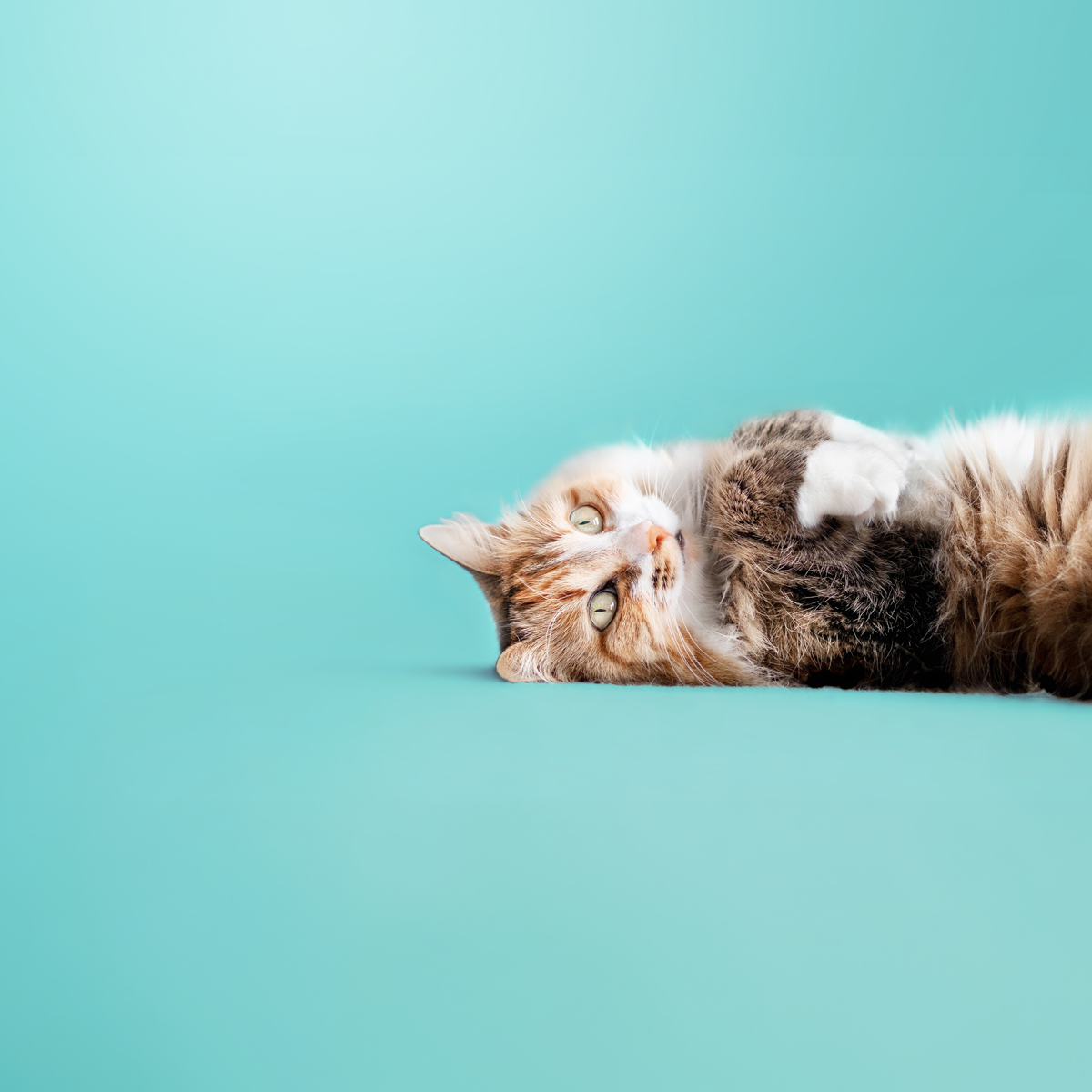
It’s common knowledge dogs love to have their tummies rubbed when they freely lay down before you and roll onto their backs. But, if you’re also familiar with cats, you know that when they roll onto their backs with their bellies exposed, rubbing the belly will most likely result in bleeding. So why do they do this? advertisement An expression of trust Cat behaviorists will likely answer that it’s a sign of trust when cats roll over and expose their bellies. That is true, indeed. But is it also a request to rub their bellies? The fact that your cat
Latest Articles
Complete Nutrition for Your Cat: Everything Your Feline Needs to Thrive
When it comes to keeping your cat healthy, few things are more important than proper nutrition. The food your cat eats affects everything from their energy levels and immune system to their coat, muscles, teeth, and even how long they may live. Unlike humans and dogs, cats have very specific nutritional requirements. They are obligate carnivores, meaning their bodies are designed to get essential nutrients from animal-based proteins. While it may be tempting to share table scraps or follow dietary trends, cats require a carefully balanced diet that meets their unique biological needs. Here’s what complete nutrition looks like for your feline companion. advertisement What Does “Complete and Balanced” Mean? You may have noticed the phrase “complete and balanced” on bags or cans of cat food. This means the food has been formulated to provide all of the essential nutrients your cat needs in the proper amounts for a particular life stage, such as kitten, adult, or senior. A complete diet should include: High-quality protein Healthy fats Essential vitamins and minerals Amino acids Fresh water Feeding a nutritionally complete food helps reduce the risk of deficiencies and supports your cat’s overall health. Protein: The Foundation of a Cat’s Diet Cats rely on protein far more than many other animals. Protein provides the building blocks for muscles, organs, skin, and the immune system. Excellent sources of protein include: Chicken Turkey Beef Fish Lamb Animal-based proteins also supply important amino acids that cats cannot produce on their own. The Importance of Taurine One nutrient that deserves special attention is taurine. Unlike many animals, cats cannot make enough taurine naturally and must obtain it through their diet. Taurine plays an important role in: Heart health Vision Brain function Healthy reproduction Immune system support A taurine deficiency can lead to serious health problems, which is why commercially prepared cat foods include appropriate levels of this essential amino acid. Healthy Fats Provide Energy Dietary fat often gets a bad reputation, but healthy fats are an important part of a cat’s nutrition. Fats help: Provide energy Support healthy skin and a shiny coat Aid vitamin absorption Maintain brain function Omega-3 and omega-6 fatty acids are especially beneficial for maintaining healthy skin, reducing inflammation, and supporting joint health. advertisement Vitamins and Minerals Matter Too Just like people, cats require a variety of vitamins and minerals to stay healthy. Some important nutrients include: Vitamin A for vision and immune health Vitamin D for bone health Vitamin E for cell protection Calcium and phosphorus for strong bones and teeth Zinc and iron for healthy blood and metabolism A quality commercial cat food is designed to provide these nutrients in the proper balance. Do Cats Need Carbohydrates? Cats can digest carbohydrates, but they do not require large amounts of them. Their bodies are primarily adapted to use protein and fat as energy sources. Some carbohydrates can provide fiber, which supports healthy digestion, but excessively carbohydrate-heavy diets may not be ideal for every cat. The focus should remain on high-quality animal
Tips on Driving Cross-Country with a Cat
Moving across the country or taking an extended road trip can be exciting, but if you’re bringing your cat along for the journey, it can also be a little stressful. Cats are creatures of habit, and many don’t enjoy sudden changes in environment, unfamiliar sounds, or long hours in the car. Fortunately, with a little planning and preparation, you can help make the trip safer and more comfortable for both you and your feline travel companion. Here are some helpful tips for driving cross-country with a cat. advertisement 1. Get Your Cat Comfortable with the Carrier Before the Trip One of the biggest mistakes pet owners make is bringing out the carrier only on travel day. Many cats associate carriers with stressful experiences like vet visits, which can make them anxious before the trip even begins. Several weeks before your journey: Leave the carrier out in your home Place treats, toys, or blankets inside Allow your cat to explore it voluntarily Take short practice drives The more familiar your cat becomes with the carrier, the less stressful the travel experience may be. 2. Never Let Your Cat Roam Freely in the Car It can be tempting to let your cat sit in your lap or wander around the vehicle, but this is dangerous for both you and your pet. A loose cat can: Distract the driver Interfere with pedals or steering Become injured during sudden stops Escape when doors or windows are opened A secure, well-ventilated carrier is the safest place for your cat throughout the trip. 3. Make the Carrier Comfortable Your cat’s carrier will be their home away from home during the journey. Consider adding: A favorite blanket A familiar-smelling shirt or towel A soft bed or cushion A small toy Familiar scents can help reduce anxiety and provide comfort in an unfamiliar environment. 4. Visit the Veterinarian Before You Leave If you’re planning a long-distance move or road trip, schedule a veterinary checkup beforehand. Your veterinarian can: Confirm your cat is healthy enough for travel Update vaccinations if necessary Provide copies of medical records Discuss medications for motion sickness or anxiety if needed If your cat has never traveled long distances before, your veterinarian may have additional recommendations. 5. Plan for Food, Water, and Litter Breaks Cats generally don’t need frequent stops like dogs do, but they still need opportunities to eat, drink, and use the litter box. Consider packing: A portable litter box Extra litter Food and treats Fresh water Food and water bowls Some cats may refuse food during travel, which is often normal. Offer food and water during rest stops and monitor your cat’s overall comfort. advertisement 6. Keep Identification Up to Date Travel increases the risk of a cat becoming lost, so proper identification is essential. Before leaving: Ensure your cat’s microchip information is current Use a secure collar with identification tags Include your cell phone number on the tag If your cat somehow escapes during the trip, updated identification dramatically improves the
The Truth About the “Crazy Cat Lady” Stereotype
For decades, the phrase “crazy cat lady” has been used as a punchline. Popular culture often portrays cat-loving women as lonely, eccentric, unmarried, and surrounded by dozens of felines. It’s a stereotype that appears in television shows, movies, and casual conversation. But where did this idea come from, and is there any truth behind it? As it turns out, the stereotype says far more about society’s attitudes than it does about the people who love cats. advertisement The Long History of Cats and Women The connection between cats and women stretches back thousands of years. In many ancient cultures, cats were revered and often associated with powerful female figures, fertility, protection, and wisdom. Ancient societies frequently viewed cats as symbols of independence, grace, and mystery. Female deities associated with cats were often celebrated for their strength and nurturing qualities. Over time, however, those perceptions changed. During the Middle Ages, fears surrounding witchcraft transformed the public image of both cats and independent women. Cats, particularly black cats, became associated with superstition, while women who lived outside traditional social expectations were often viewed with suspicion. The roots of the modern “crazy cat lady” stereotype can be traced back to these historical attitudes. Why Cats and Independence Often Go Together Cats are known for their independent nature. Unlike dogs, which are often eager to please and highly social, cats tend to form relationships on their own terms. Many cat lovers appreciate this quality. Cats don’t demand constant attention. They establish trust gradually and often choose when and how they want to interact. For many people, this creates a unique and rewarding bond. Because cats are often viewed as self-reliant, some researchers believe they naturally appeal to people who value independence and personal space. That doesn’t make someone antisocial—it simply reflects a different style of companionship. The Myth of Loneliness One of the most common assumptions about cat owners is that they are lonely or isolated. However, studies examining pet ownership have found little evidence to support this idea. In fact, many cat owners report strong emotional benefits from living with their pets. Cats can provide: Companionship Comfort during stressful times Daily routines and structure Stress relief Emotional support For many people, cats become beloved family members who contribute positively to their overall well-being. Enjoying the company of a cat does not mean someone lacks meaningful human relationships. In many cases, it’s simply an additional source of connection and comfort. What Science Says About Cat Owners Research into pet ownership has produced some surprising findings. Studies have found that many cat owners report lower stress levels and may experience emotional benefits from interacting with their pets. The simple act of petting a cat can promote relaxation, while a cat’s purr may have calming effects on some people. Some research has even suggested that cat owners tend to score highly in traits such as self-reliance, curiosity, and openness to new experiences. While no two cat owners are exactly alike, science offers little support for the
Weird Cat Facts
Cats are fascinating creatures. They spend hours sleeping, somehow fit into impossibly small spaces, and occasionally sprint through the house at full speed for no apparent reason. But beyond their quirky personalities, cats are full of strange and surprising traits that make them one of the most unique animals on the planet. From mysterious communication methods to bizarre physical abilities, here are some of the weirdest cat facts that might make you look at your feline friend a little differently. advertisement 1. Cats Can’t Taste Sweet Things Unlike humans, cats are unable to taste sweetness. Scientists discovered that cats lack the receptors needed to detect sweet flavors. This means that while your cat may be curious about your ice cream or cake, they’re not attracted to the sugar itself. They’re usually more interested in the fats, dairy, or other ingredients. For a species that can hear a mouse moving in a wall, it’s strange that sweetness is completely lost on them. 2. A Cat’s Nose Print Is Unique Just as human fingerprints are unique, every cat has a one-of-a-kind nose print. The tiny ridges and bumps on a cat’s nose create a pattern that no other cat shares. While nose-print identification isn’t commonly used, it could theoretically identify individual cats. So your cat literally has their own built-in ID card. 3. Cats Can Rotate Their Ears 180 Degrees Cats have incredible hearing, and their ears are a big reason why. Each ear contains more than 30 muscles, allowing cats to: Rotate their ears independently Pinpoint the exact location of sounds Listen in multiple directions at once It’s like having two furry satellite dishes mounted on top of their heads. 4. They Have a Built-In Righting Reflex Cats possess an amazing ability known as the righting reflex. If they fall, they can often twist their bodies in midair to land on their feet. This ability begins developing when kittens are only a few weeks old. While this skill is impressive, it doesn’t mean cats are immune to injury. Falls can still be dangerous, especially from significant heights. 5. Cats Walk Like Camels and Giraffes This one sounds completely made up, but it’s true. When cats walk, they move both legs on one side of their body before moving the legs on the other side. This unusual gait is also seen in camels and giraffes. Most animals alternate sides when walking, making cats part of a surprisingly exclusive club. 6. Some Cats Are Obsessed With Plastic Many cat owners have discovered their cat licking, chewing, or even trying to eat plastic bags. Experts aren’t entirely sure why some cats do this, but possible explanations include: The texture feels satisfying Residual food odors on the plastic Curiosity or boredom A condition called pica Whatever the reason, it’s one of the stranger feline habits. 7. Cats Use Their Whiskers Like Measuring Tools A cat’s whiskers are much more than decorative facial hair. Whiskers are highly sensitive and help cats: Measure openings before attempting to
What Really is Catnip and Why Does My Cat Love it so Much?
If you’ve ever given your cat a catnip toy, you’ve probably witnessed some unusual behavior. One moment your cat is calmly lounging on the couch, and the next, they’re rolling on the floor, rubbing their face on the toy, zooming around the room, or acting downright silly. Catnip has fascinated cat owners for generations, but what exactly is it? And why do so many cats seem to lose their minds over it? The answer lies in a remarkable plant and a unique feline reaction that scientists are still studying today. advertisement What Is Catnip? Catnip (Nepeta cataria) is a member of the mint family and is native to parts of Europe, Asia, and the Middle East. Today, it grows in many parts of the world and is commonly cultivated for use in cat toys, sprays, and treats. The plant contains a natural compound called nepetalactone, which is found primarily in the leaves and stems. This chemical is responsible for the reaction many cats experience when they encounter catnip. When a cat smells catnip, nepetalactone binds to receptors in their nose and triggers a response in the brain that can affect mood and behavior. Why Do Cats Love Catnip? For many cats, catnip creates a temporary feeling of excitement and pleasure. Researchers believe the compound stimulates sensory neurons, activating brain regions associated with emotion and reward. Common reactions to catnip include: Rolling on the ground Rubbing their face on the source Purring Zooming around the house Playful behavior Vocalizing more than usual Kicking or wrestling with toys Some experts compare the experience to a temporary burst of euphoria, although exactly how cats perceive it remains a mystery. Not All Cats React to Catnip Surprisingly, not every cat is affected by catnip. The ability to respond to catnip is inherited genetically. It’s estimated that around 30% to 50% of cats show little or no reaction. Kittens younger than about six months of age often don’t respond either. The sensitivity typically develops as cats mature. If your cat seems completely uninterested in catnip, there’s nothing wrong with them—they may simply lack the genetic trait that triggers the response. How Long Does the Catnip Effect Last? The effects of catnip are usually short-lived. Most cats react for about 5 to 15 minutes. Afterward, they become temporarily immune to its effects for a period of time, often around 30 minutes to a few hours. This explains why repeatedly offering catnip in a short period usually doesn’t produce the same dramatic response. Some Cats Become Calm Instead of Hyper While many cats become energetic and playful, others react differently. Some cats become: Relaxed Sleepy More affectionate Content to simply lounge around Just like people react differently to certain experiences, cats have individual responses to catnip. Can Cats Eat Catnip? Yes, catnip is generally considered safe for cats. Interestingly, cats often react differently depending on how they interact with it: Smelling catnip tends to produce playful or excited behavior. Eating catnip may have a more calming or
What Is a Lion Cut for Cats?
If you’ve ever seen a cat with a fluffy mane around their head and fur trimmed short along their body, you’ve probably seen a lion cut. This dramatic grooming style is one of the most recognizable haircuts for cats, especially long-haired breeds. But a lion cut is more than just a funny or stylish appearance. In many cases, it serves practical purposes related to grooming, comfort, and health. Here’s what a lion cut is, why some cats get one, and whether it’s the right choice for your feline companion. advertisement What Exactly Is a Lion Cut? A lion cut is a grooming style where most of a cat’s body fur is shaved short while leaving fur around the: Head and neck (creating a “mane”) Lower legs Tip of the tail The result resembles a lion’s appearance, which is where the haircut gets its name. Lion cuts are most commonly done on long-haired cats, such as: Persians Maine Coons Ragdolls Himalayans Why Do Some Cats Get Lion Cuts? While some owners simply enjoy the look, lion cuts are usually done for practical reasons. 1. Preventing Mats and Tangles Long-haired cats can easily develop mats, especially if they dislike brushing or have trouble grooming themselves. Mats can become painful and may pull tightly on the skin. A lion cut can help remove severe matting and make ongoing grooming much easier. 2. Helping Cats Stay Cool Some owners choose lion cuts during hot weather to help their cats feel more comfortable. Although fur does provide some insulation, thick coats can still contribute to overheating in certain environments. 3. Reducing Hairballs Because cats groom themselves constantly, long-haired cats often swallow large amounts of fur. Trimming the coat may reduce the amount of loose hair they ingest, which can sometimes help with hairballs. 4. Assisting Senior or Overweight Cats Older cats or overweight cats may struggle to groom hard-to-reach areas properly. A shorter coat can help keep them cleaner and more comfortable. Do Cats Like Lion Cuts? Every cat reacts differently. Some cats seem more energetic and comfortable after a lion cut, especially if they were dealing with painful mats or excessive heat. Others may initially feel confused or vulnerable after losing so much fur. It’s not uncommon for cats to: Act shy or embarrassed temporarily Hide for a day or two Groom themselves more often afterward Most cats adjust quickly once they get used to the sensation. Are Lion Cuts Safe? When performed by a professional groomer or veterinarian, lion cuts are generally safe. However, cats have delicate skin, so grooming should always be done carefully. Cats that are anxious, aggressive, or severely matted may sometimes require sedation for safe grooming. It’s also important to remember that a cat’s fur serves protective purposes, including: Insulation from heat and cold Protection from sunburn Skin protection from scratches and irritation Because of this, lion cuts are usually recommended only when truly beneficial, not simply as a cosmetic trend. Will the Fur Grow Back? In most cases,
Why Do Cats Rub Themselves on Things?
If you live with a cat, you’ve probably experienced them rubbing against your legs, furniture, doorways, or even random objects around the house. Sometimes they gently bump their head against you, while other times they weave around your ankles like they’re trying to trip you. While this behavior may seem cute or quirky, it actually serves several important purposes in the feline world. From marking territory to showing affection, rubbing is one of the ways cats communicate and interact with their environment. Here’s why cats rub themselves on certain things, and what they may be trying to tell you. advertisement 1. Cats Rub to Leave Their Scent One of the main reasons cats rub against objects is to leave behind scent markers. Cats have scent glands located in several places on their bodies, including: The cheeks The forehead The chin The sides of the body The base of the tail When a cat rubs against you or an object, they transfer tiny amounts of scent called pheromones. Humans usually can’t smell these pheromones, but other cats can detect them. In a cat’s mind, rubbing is a way of saying: “This is familiar.” “This space feels safe.” “This belongs to me.” 2. It’s a Sign of Affection and Trust When your cat rubs against you, it’s often a sign that they feel comfortable and safe around you. Cats typically reserve this kind of behavior for people, animals, and environments they trust. This behavior is sometimes called bunting, especially when a cat presses or bumps their head against you. By rubbing on you, your cat may be: Greeting you Showing affection Mixing their scent with yours In the feline world, sharing scent helps strengthen social bonds. 3. Cats Use Rubbing to Mark Territory Cats are naturally territorial animals, and rubbing is one of the gentlest ways they claim their environment. You may notice your cat rubbing on: Furniture corners Door frames Walls New objects brought into the house When something unfamiliar enters their space, cats often rub against it to make it smell more familiar and comforting. This scent-marking behavior can help reduce stress and create a sense of security. 4. Rubbing Can Be a Greeting Many cats rub against their owners when they come home. This behavior is often part greeting, part affection, and part scent exchange. If your cat winds around your legs at the door, they may simply be excited to see you, or they may be making sure you smell like “home” again after being out in the world. Cats living together may also rub against each other as a social greeting. 5. Sometimes They Want Attention (or Food) Let’s be honest: cats are smart. Many quickly learn that rubbing against humans gets attention. If your cat rubs on you around mealtime, near the treat cabinet, or while you’re trying to work, they may be trying to communicate a request. Rubbing is often combined with: Purring Meowing Tail held upright These behaviors together usually mean your cat wants
How Often Should You Bring Your Cat to the Vet?
Cats are known for being independent and low-maintenance, but when it comes to their health, regular veterinary care is just as important as it is for any other pet. Because cats are so good at hiding illness, routine checkups can help catch problems early, often before symptoms become obvious. So, how often should you bring your cat to the vet? The answer depends on your cat’s age, lifestyle, and overall health. advertisement Kittens: Frequent Visits in the First Year Kittens need more frequent veterinary visits than adult cats because they are growing rapidly and building their immune systems. During the first year, your kitten will typically visit the vet every few weeks for: Vaccinations Health exams Parasite prevention Spaying or neutering These early visits are critical for setting the foundation for a healthy life. Your veterinarian will also monitor growth and development to make sure everything is progressing normally. Adult Cats: At Least Once a Year Once your cat reaches adulthood (usually around one year old), most veterinarians recommend an annual checkup. Even if your cat seems perfectly healthy, yearly exams help: Detect early signs of illness Keep vaccinations up to date Monitor weight and overall condition Check dental health Because cats often hide symptoms, these routine visits can uncover issues you might not notice at home. Senior Cats: Twice a Year or More As cats age (typically around 7–10 years old), their health needs change. Senior cats are more prone to conditions like kidney disease, arthritis, and thyroid issues. For this reason, many veterinarians recommend bringing senior cats in for checkups every 6 months. More frequent visits allow your vet to: Track changes in weight and behavior Run routine bloodwork or screenings Adjust diet or medications as needed Early detection is especially important for older cats, as many age-related conditions can be managed more effectively when caught early. Indoor vs. Outdoor Cats Your cat’s lifestyle also plays a role in how often they should see the vet. Indoor cats may have fewer risks, but they still need regular checkups. Health issues like dental disease, obesity, and internal conditions can affect indoor cats just as easily. Outdoor cats may require more frequent care due to increased exposure to: Parasites (fleas, ticks, worms) Injuries or infections Contagious diseases If your cat spends time outdoors, your veterinarian may recommend additional preventive care or more frequent visits. When to Visit the Vet Outside of Routine Checkups In addition to regular wellness exams, you should contact your veterinarian if you notice any sudden or unusual changes in your cat’s behavior or health. Warning signs include: Loss of appetite Weight loss or gain Lethargy or decreased activity Vomiting or diarrhea Changes in litter box habits Difficulty breathing Behavioral changes (hiding, aggression, vocalizing) Because cats can decline quickly, it’s always better to seek advice sooner rather than later. Why Regular Vet Visits Matter Routine veterinary care isn’t just about vaccinations; it’s about prevention. Regular exams allow your veterinarian to build a health history for your cat
Working Cats: A Natural Solution to Rodent Control
If you’ve ever dealt with rodents in a barn, warehouse, or rural property, you know how difficult they can be to manage. Traditional pest control methods often rely on traps or poisons, but there’s another solution that’s been around for centuries: working cats. Working cats offer a safe, effective, and environmentally friendly way to help control rodent populations, all while giving cats in need a purpose and a place to call home. advertisement What Is a Working Cats Program? A working cats program places cats that are not suited for traditional indoor homes into environments where they can thrive while doing what they do best, hunting pests. These cats are typically independent, semi-feral, or not comfortable living as companion pets. Instead of remaining in shelters long-term, they are given a second chance in outdoor or working environments where their natural instincts are an asset. Common placement locations include: Barns and ranches Warehouses and storage facilities Mills and agricultural spaces Large outdoor properties In these settings, working cats help keep rodent populations under control without the need for harmful chemicals. A Safe Alternative to Poisonous Pest Control One of the biggest advantages of working cats is that they provide a natural alternative to traditional pest control methods. Rodent poisons can pose serious risks, not only to wildlife but also to pets and even people. Working cats help reduce these risks by controlling pests through natural hunting behaviors. Their presence alone can deter rodents from settling in an area, making them an effective long-term solution. Giving Hard-to-Place Cats a Second Chance Working cats programs are not just about pest control; they’re also about saving lives. Some cats in shelters are not well-suited for adoption as indoor pets due to temperament, fearfulness, or lack of socialization. Without alternative options, these cats can be difficult to place. By joining a working cats program, these animals are given a meaningful role and a safe environment where they can live comfortably while doing what comes naturally. In return, they receive consistent care, food, water, and shelter, essentials they may not have had before. What to Expect From Working Cats Working cats are different from typical house pets, and understanding their needs is important before bringing them into your environment. Here are a few key things to expect: They are usually placed in pairs, so they have companionship and adjust more easily. They are already spayed or neutered to prevent unwanted litters. They are vaccinated and microchipped for safety and identification. They are independent and may not seek out human interaction. While they may not be cuddly pets, working cats still rely on their caretakers for daily essentials and a safe environment. Caring for Working Cats Even though working cats are more independent, they still require proper care. Providing the basics ensures they stay healthy and continue to thrive in their role. Working cat caretakers should provide: A secure shelter to protect them from the weather and predators Fresh food and clean water daily A safe, contained
Do Hypoallergenic Cat Breeds Really Work?
For people who love cats but struggle with allergies, the idea of a “hypoallergenic cat” can sound almost too good to be true. Certain breeds are often advertised as being better for allergy sufferers, leading many people to wonder: Do hypoallergenic cats actually work? The answer is a little complicated. While no cat is completely allergy-free, some cats may trigger fewer allergic reactions than others. Understanding why requires a closer look at what actually causes cat allergies. advertisement What Causes Cat Allergies? Contrary to popular belief, most people are not allergic to cat fur itself. Cat allergies are primarily caused by a protein called Fel d 1, which is found in a cat’s saliva, skin oils, and dander. When cats groom themselves, this protein spreads onto their fur and skin, eventually becoming airborne in tiny particles. Because the allergen is lightweight and sticky, it can linger on furniture, clothing, carpets, and even in homes without cats. So, What Does “Hypoallergenic” Really Mean? The word “hypoallergenic” doesn’t mean “allergy-free.” It simply means something is less likely to trigger allergic reactions. When it comes to cats, so-called hypoallergenic breeds may: Produce lower levels of Fel d 1 Shed less fur and dander Spread allergens less aggressively through the environment However, experts agree that no cat breed is completely free of allergens. Even hairless cats still produce Fel d 1 because the allergen comes from saliva and skin, not the fur itself. Do Some Breeds Trigger Fewer Allergies? Possibly. Some breeds are believed to produce lower average levels of Fel d 1, and many allergy sufferers report fewer symptoms around them. Breeds commonly described as more “allergy-friendly” include: Siberian Balinese Russian Blue Devon Rex Cornish Rex Sphynx Among these, the Siberian cat is one of the few breeds that has shown some scientific evidence of producing lower average levels of Fel d 1. Still, allergen production can vary significantly between individual cats—even within the same breed. Hairless Cats Aren’t Necessarily Allergy-Free Many people assume hairless cats must be hypoallergenic because they lack fur. Unfortunately, that’s not entirely true. Hairless cats still produce saliva, skin oils, and dander that contain Fel d 1. In fact, because there is no fur to trap skin oils, allergens may collect directly on the skin instead. Some allergy sufferers tolerate hairless cats better, but others still experience strong reactions. Other Factors That Affect Allergies Breed isn’t the only thing that matters. Several other factors can influence how allergenic a cat may be: Sex: Male cats often produce more allergens than females. Neutering: Neutered males may produce lower allergen levels than intact males. Individual variation: Some cats naturally produce less Fel d 1 than others. Cleaning and grooming: Regular cleaning can reduce allergen buildup in the home. Even people with the same allergy severity may react differently to the same cat. Can You Reduce Cat Allergens at Home? For many people, managing allergies involves a combination of choosing the right cat and reducing allergens in the environment. Helpful strategies