Why Do Cats Roll Over Into Their Backs But Not Let You Touch Their Bellies?
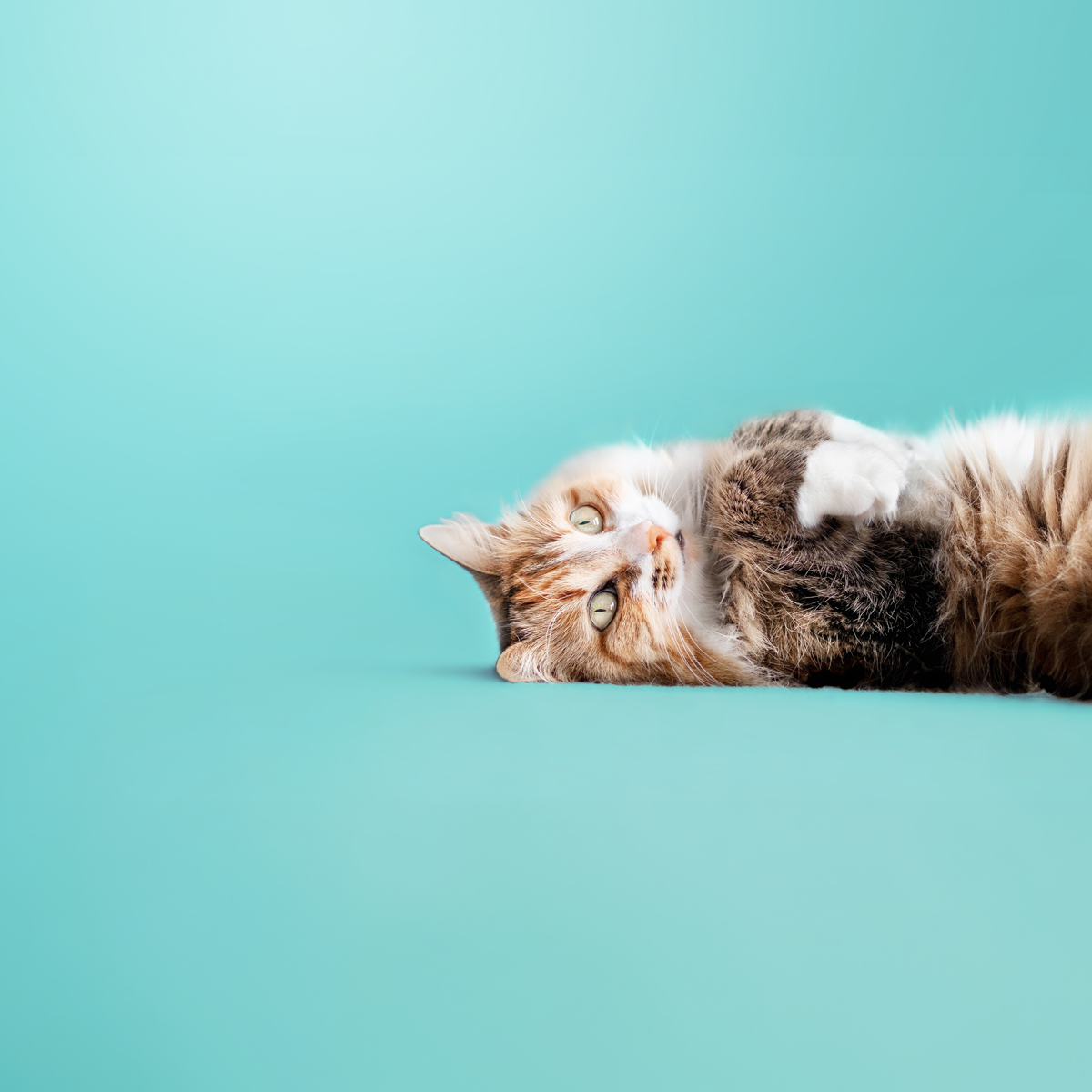
It’s common knowledge dogs love to have their tummies rubbed when they freely lay down before you and roll onto their backs. But, if you’re also familiar with cats, you know that when they roll onto their backs with their bellies exposed, rubbing the belly will most likely result in bleeding. So why do they do this? advertisement An expression of trust Cat behaviorists will likely answer that it’s a sign of trust when cats roll over and expose their bellies. That is true, indeed. But is it also a request to rub their bellies? The fact that your cat
Latest Articles
Do Cats Like Music? The Surprising Science Behind Feline Musical Preferences
Have you ever turned on your favorite song and wondered whether your cat was enjoying it, too? Maybe they curled up beside the speaker during a relaxing piano piece, or perhaps they immediately left the room when you started blasting your favorite rock album. We know that humans have strong musical preferences, but what about cats? Can they appreciate a good melody, or is music just another strange human invention they tolerate while waiting for dinner? As it turns out, cats may enjoy music, but not necessarily the same music we do. Researchers have discovered that felines respond differently to music designed specifically for their species, suggesting that our furry companions might have their own unique musical tastes. advertisement Can Cats Actually Hear Music? Absolutely! In fact, cats have an extraordinary sense of hearing. While humans generally hear frequencies ranging from approximately 20 to 20,000 hertz, cats can detect much higher frequencies, extending well beyond the upper limits of human hearing. This impressive hearing evolved to help cats detect small prey animals, including the high-pitched sounds made by rodents. But hearing music and enjoying music are two different things. Just because your cat can hear your favorite song doesn’t necessarily mean they experience it the same way you do. Their auditory system is adapted to a different range of sounds, and the rhythms and frequencies that appeal to humans may not be particularly interesting to them. Scientists Have Actually Studied Music for Cats In 2015, researchers published a fascinating study in the journal Applied Animal Behavior Science investigating whether cats prefer music designed specifically for them. Instead of simply playing ordinary human music, researchers created compositions that incorporated sounds and rhythms inspired by feline communication, including frequencies and tempos associated with purring and kitten vocalizations. The researchers then compared cats’ reactions to these species-specific compositions with their responses to human classical music. The results were intriguing: cats showed more positive responses to the music designed for their species than to the human music. In other words, your cat may not care much about Mozart, but a song inspired by feline purring could be another story. What Does Music Made for Cats Sound Like? Music designed specifically for cats is quite different from the songs we typically enjoy. Human music often follows rhythms associated with walking, dancing, and speech. Cat-specific music, on the other hand, may incorporate sounds and tempos more closely connected to feline experiences. Some compositions feature high-pitched tones, rhythms inspired by purring, sounds resembling kitten vocalizations, and gentle, repetitive musical patterns. To human ears, these compositions can sound unusual, almost like a combination of ambient music, electronic tones, and soft animal-like sounds. But that’s the point. The music wasn’t created for human listeners. Can Music Help Calm an Anxious Cat? Possibly! Researchers have also investigated whether music can reduce stress in cats during veterinary visits. A 2019 study published in the Journal of Feline Medicine and Surgery examined cats during physical examinations while they listened to silence, classical
How To Safely Introduce A New Kitten When You Already Have Cats
Bringing home a new kitten is exciting. Your resident cats, however, may have a different opinion. From their perspective, a tiny stranger has suddenly appeared in their territory, smells completely unfamiliar, eats their food, plays with their toys, and apparently has no understanding whatsoever of personal space. Fortunately, a rocky first impression doesn’t mean your cats will never get along. Introducing a kitten to resident cats is usually most successful when you do it gradually, giving everyone time to adjust before you expect them to share the same space. Here’s how to safely introduce a new kitten when you already have cats. advertisement Don’t Introduce Them Immediately It can be tempting to bring your kitten home, open the carrier in the living room, and let everyone meet. Resist the temptation. Even friendly cats can become frightened, defensive, or territorial when an unfamiliar animal suddenly appears in their home. Instead, your new kitten should initially have a separate room of their own. This gives the kitten time to adjust to their new environment while allowing your resident cats to get used to the newcomer without immediate confrontation. It also gives you an opportunity to make sure the kitten is healthy before they begin interacting closely with your other cats. Schedule a Veterinary Visit If your kitten hasn’t already received a recent veterinary examination, schedule one before allowing close contact with your resident cats. Your veterinarian can evaluate your kitten’s overall health and discuss vaccinations, parasite prevention, testing, spaying or neutering, and any other care they may need. This is particularly important if the kitten’s medical history is unknown. Until you’re confident the newcomer is healthy, keeping them separated can help reduce the risk of exposing your resident cats to contagious illnesses or parasites. Create a Kitten Base Camp Your kitten’s temporary room should contain everything they need, including: Food and water A litter box A comfortable bed A scratching surface Safe toys Hiding places Places to climb or perch, if appropriate A bedroom, office, or other quiet room with a door can work well. Don’t worry that you’re being mean by keeping the kitten separated. A smaller environment can actually be less overwhelming when a kitten first arrives in an unfamiliar home. Meanwhile, your resident cats get to keep most of their normal territory and routine. Start With Smell For cats, introductions begin long before they actually see each other. Scent is an important part of feline communication, so let your cats get familiar with each other’s smell first. You can swap bedding between the kitten and your resident cats or gently rub a soft cloth along one cat’s cheeks and place it near the other cat’s space. You can also allow your resident cats to investigate underneath the kitten’s door. The goal is simple: make the new smell increasingly ordinary. Don’t force a scented item directly toward a cat’s face. Simply place it nearby and allow them to investigate at their own pace. Create Positive Associations Once your cats know
What Is Pica in Cats? Why Some Cats Eat Things That Aren’t Food
Cats are famous for putting their mouths where they don’t belong. One might chew the corner of a cardboard box, another may lick plastic grocery bags, and another seems determined to eat every loose thread in the house. An occasional nibble on something unusual can simply be feline curiosity. But when a cat repeatedly chews, sucks on, or actually eats objects that aren’t food, it may be something more: pica. Pica can range from a relatively mild behavioral issue to a potentially dangerous problem requiring veterinary attention. Understanding why it happens, and knowing the difference between quirky chewing and genuinely concerning behavior, can help keep your cat safe. advertisement What Is Pica in Cats? Pica refers to the persistent eating of substances that aren’t considered food. A cat with pica may repeatedly seek out, chew, and swallow materials around the home. Common targets can include: Plastic Fabric and clothing Wool String and thread Rubber Paper Cardboard Hair ties Carpet fibers Houseplants Some cats develop a preference for one particular material, while others will attempt to eat a variety of non-food objects. Chewing Isn’t Always Pica Before assuming your cat has pica because you caught them attacking a cardboard box, there’s an important distinction to make. Cats naturally investigate objects with their mouths. Some enjoy shredding cardboard, biting toys, or occasionally licking unusual surfaces without actually consuming them. Pica becomes more concerning when the behavior is repetitive and your cat is intentionally swallowing non-food materials. For example, a cat tearing apart a cardboard box and leaving the pieces scattered across the floor isn’t necessarily displaying pica. A cat that regularly tears pieces off and swallows them deserves more attention. What Causes Pica in Cats? There’s no single explanation for feline pica. In fact, several factors may contribute to the behavior. Medical Conditions: Sometimes unusual eating behavior can occur alongside an underlying health problem. Gastrointestinal disease, anemia, nutritional problems, and other medical conditions may potentially contribute to abnormal eating behaviors. That’s why persistent pica shouldn’t automatically be treated as nothing more than a behavioral quirk. A veterinary examination can help determine whether there’s a medical reason behind it. Stress and Anxiety: Some cats may chew or suck on objects as a self-soothing behavior. Changes such as moving, introducing another pet, changing the household routine, or losing a companion can be stressful for cats. Repetitive behaviors may sometimes develop or become more noticeable during periods of stress. Boredom: An understimulated cat has plenty of time to invent hobbies, and unfortunately, those hobbies aren’t always particularly safe. Cats need opportunities to stalk, chase, climb, scratch, explore, and problem-solve. Without enough physical and mental enrichment, chewing household objects may become another form of entertainment. Early Weaning: Some cats that were separated from their mothers or weaned unusually early may retain sucking or chewing behaviors into adulthood. These cats may be especially interested in soft materials such as blankets, clothing, or wool. Genetics: There may also be a genetic component. Wool sucking and related behaviors have
New Cat Species Identified in Bolivia for the First Time in More Than a Century
Photo credit: Fernando Faciole/National Geographic/Reuters Just when we thought we knew all the cats in the world, a tiny spotted feline from Bolivia’s cloud forests has officially joined the family. Scientists have identified a new species of wild cat called the tilcayo, or Leopardus tilcayo. The discovery is particularly remarkable because it marks the first time a new living cat species has been formally named and described in more than a century. Even better? This little wild cat is actually smaller than the average house cat. advertisement Meet the Tilcayo The tilcayo is a small wild feline found in the Yungas region of Bolivia, a mountainous area of humid cloud forest along the eastern slopes of the Andes. At only about 18 inches long and weighing approximately 3 pounds, the tilcayo can be smaller than many domestic cats. But its appearance is decidedly wild. The cat has light brown fur covered in dark, irregular rosettes that give it a miniature leopard-like appearance. It also has rounded ears and belongs to a group of small South American felines commonly known as tiger cats. Local communities were already familiar with the animal and called it “tilcayo.” Scientists chose to preserve that local name when officially naming the species Leopardus tilcayo. How Did Scientists Discover a New Cat Species? This wasn’t exactly a case of scientists wandering into the forest and suddenly spotting an animal nobody had ever seen before. Local people already knew these cats existed. The scientific mystery was figuring out exactly what they were. The story began when researchers encountered a Bolivian tiger cat whose appearance didn’t quite match existing descriptions of the known cats in its group. One individual was originally found as a kitten near a forest and was even kept by a local family who initially believed it was a domestic cat. The unusual feline eventually came to the attention of wildlife researchers, who began asking an important question: What kind of tiger cat actually lives in Bolivia? Answering that question would eventually require looking much deeper than its spots. DNA Revealed the Answer Tiger cats are what scientists sometimes call “cryptic species.” Different species can look so similar that appearance alone isn’t enough to reliably tell them apart. Researchers therefore turned to genetics. The team analyzed DNA from dozens of cats collected across South America, including genetic material obtained from museum specimens. Their research revealed that animals previously grouped as tiger cats actually represent several genetically distinct species. One lineage stood out: the cats living in Bolivia’s Yungas. Genetic analysis indicated that the tilcayo lineage separated from other tiger cats approximately 1.4 million years ago, providing strong evidence that these little cats represented their own distinct species. The researchers ultimately recognized five genetically distinct tiger cat species in South America. Why Is This Discovery Such a Big Deal? Scientists discover new species regularly, particularly among insects, plants, fungi, and other relatively understudied organisms. Discovering a new living species of cat is considerably rarer. Cats are mammals,
Why Do Some Cats Meow More Than Others?
Some cats seem to have an opinion about absolutely everything. Is breakfast three minutes late? Meow. You walked into another room? Meow. You looked vaguely toward the treat cabinet? MEOW. Other cats can go practically all day without making a peep. So, why do some cats meow more than others? A cat’s personality, breed, age, environment, and even their relationship with their humans can all influence how talkative they are. And in many cases, your chatty cat may have learned that meowing is one of the best ways to communicate with you. advertisement Cats Mostly Meow to Communicate With Humans One of the most interesting things about meowing is that adult cats don’t typically use it as their primary way of communicating with other adult cats. Kittens meow to get their mother’s attention when they’re hungry, cold, frightened, or need help. As cats mature, however, communication with other cats relies much more heavily on body language, scent, facial expressions, and other vocalizations. But many cats continue meowing at humans throughout adulthood. Why? Because it works. Humans aren’t particularly talented at interpreting subtle feline signals, so cats may discover that making noise gets our attention much faster. Over time, a cat and their person can even develop their own little vocabulary of meows. Some Cats Are Simply More Talkative Just like people, cats have individual personalities. One cat may follow you through the house narrating their entire day, while another may prefer communicating with a slow blink or a strategically placed paw. A naturally social, confident, or attention-seeking cat may vocalize frequently because they enjoy interacting with people. A quieter or more independent cat may communicate much more subtly. Neither personality is necessarily better or healthier. Some cats are just born conversationalists. Breed Can Make a Difference Genetics may also play a role in how vocal a cat tends to be. Some breeds have a reputation for being particularly talkative, including: Siamese Oriental Shorthairs Balinese Tonkinese Burmese Siamese cats in particular are famous for their distinctive voices and willingness to use them. Some will seemingly hold entire conversations with their owners. Of course, breed only tells you so much. A mixed-breed cat can be extraordinarily vocal, while an individual cat from a famously talkative breed might be relatively quiet. Your Cat May Have Trained You We like to think we’re training our cats. Sometimes, the arrangement is very much the other way around. Imagine your cat walks into the kitchen and meows. You give them a treat. The next day, they meow again. Another treat appears. Congratulations. Your cat has discovered a button that dispenses snacks, and that button is you. Cats are excellent at learning which behaviors produce desirable results. If meowing leads to food, petting, playtime, an opened door, or attention, your cat has every reason to keep doing it. Some cats even develop different meows for different requests. You may eventually recognize the difference between the “feed me” meow, “open this door” meow, and the extremely important “I
Pets for the Elderly: Helping Seniors Find Feline Companionship
There’s something special about sharing your home with a cat. Their companionship can make a quiet house feel a little less quiet, provide a comforting daily routine, and, of course, ensure there’s almost always someone nearby who would like you to sit down so they can claim your lap. For older adults, however, the cost of adopting and caring for a cat can sometimes make pet ownership more difficult. That’s where Pets for the Elderly comes in. This nonprofit organization connects older adults with shelter animals and provides financial assistance through participating animal shelters across the United States. For seniors hoping to welcome a cat into their lives, the program can help make feline companionship more accessible. advertisement What Is Pets for the Elderly? The Pets for the Elderly Foundation, also known as PFE, is a nonprofit organization dedicated to helping older adults experience the companionship of pet ownership while also helping shelter animals find homes. The program began in 1992 with two animal shelters near Cleveland, Ohio. It later expanded nationally and has since helped place more than 121,000 companion animals with senior adopters. Adults age 60 and older who adopt a dog or cat through a participating shelter may qualify for help with adoption-related expenses. For cat lovers, that means the program can help remove some of the financial barriers standing between an older adult and a new feline friend. How Does Pets for the Elderly Help With Cat Adoption? Pets for the Elderly works directly with participating animal shelters rather than operating its own adoption centers. Through these partnerships, PFE helps participating shelters cover adoption fees for qualifying adults age 60 and older. Depending on what a shelter’s adoption fee includes, assistance may also cover services such as a pre-adoption veterinary examination and spaying or neutering. Individual services vary by participating shelter, so prospective adopters should contact their local PFE partner to learn exactly what assistance is available. Support Can Continue Beyond Adoption One particularly helpful aspect of Pets for the Elderly is that its work isn’t necessarily limited to helping someone bring a cat home. The organization has expanded its funding to support programs at select partner shelters that help older adults continue caring for pets they already have. Depending on the participating shelter and available programs, assistance may include: Routine veterinary care Veterinary surgery Pet food assistance Home visits Grooming Pet retention assistance This can be especially meaningful for cat owners living on a fixed income. An unexpected veterinary bill or rising pet food costs shouldn’t necessarily mean giving up a beloved companion. Why Can Cats Be Great Companions for Older Adults? No single “perfect” pet fits every older adult, but cats have several qualities that make them particularly appealing companions. Unlike dogs, cats don’t generally need you to take them outside several times a day for bathroom breaks or daily walks. Indoor cats can receive much of their exercise and enrichment through interactive play, climbing structures, scratching posts, toys, and attention from their humans.
Do Cats Get Scared During Thunderstorms?
When thunder starts booming and lightning flashes across the sky, dogs often get most of the attention. They may bark, pace, whine, or desperately attempt to climb into their owner’s lap. Cats, on the other hand, tend to be a little more subtle about their feelings. So, do cats get scared during thunderstorms? Absolutely. While some cats barely seem to notice a storm, others can become frightened or anxious. They may simply express that fear differently than dogs do. Understanding how your cat reacts to storms and knowing how to make them feel secure can help thunderstorms become a little less frightening for everyone. advertisement Why Are Cats Afraid of Thunderstorms? Think about a thunderstorm from your cat’s perspective. Suddenly, there are enormous unexplained noises outside, flashes of bright light, strong winds, and changes in the environment. Your cat has no way of knowing that the storm will eventually pass. Several aspects of thunderstorms may contribute to feline anxiety, including: Loud thunder Sudden flashes of lightning Heavy rain or hail Strong winds Changes in air pressure Unfamiliar vibrations and sounds Cats also have extremely sensitive hearing, so noises that are loud to us may be even more startling to them. Can Cats Sense a Storm Before It Arrives? It can certainly seem that way! Some owners notice their cats behaving differently before the first drop of rain falls. While your cat probably isn’t secretly checking the weather forecast, they may notice environmental changes associated with an approaching storm. Cats can potentially detect changes in atmospheric pressure, wind, humidity, sounds, and even scents that humans don’t immediately notice. If your cat suddenly disappears under the bed before you realize a storm is approaching, they may simply be paying closer attention to their environment than you are. Signs Your Cat Is Afraid of Thunder Feline fear can be surprisingly easy to miss. Instead of loudly announcing that they’re frightened, many cats simply disappear. Signs of storm anxiety may include: Hiding under furniture or inside closets Crouching low to the ground Flattening their ears Holding their tail tightly against their body Dilated pupils Trembling Restlessness Excessive vocalization Refusing food Becoming unusually clingy Trying to escape Some cats may also become defensive when they’re frightened. A normally affectionate cat might hiss, swat, or resist being handled during a storm. Why Does My Cat Hide During a Thunderstorm? Hiding is a normal feline response to fear. In the wild, finding a small, protected space can help an animal avoid danger. Your cat may instinctively seek out somewhere dark, quiet, and enclosed when the world suddenly becomes noisy and unpredictable. Common storm hideouts include: Under the bed Inside a closet Behind furniture Under blankets Inside a carrier In a cardboard box Unless the location is dangerous, there’s usually no reason to pull your cat out. Their hiding spot may be exactly what they need to feel safe. Create a Safe Space for Your Cat If thunderstorms are common where you live, consider creating a designated safe
Why Does My Cat Cackle?
You’re sitting peacefully at home when suddenly you hear an unusual noise coming from your cat. Their eyes are locked on a bird outside the window, their mouth is rapidly opening and closing, and they’re making a strange series of clicks, chirps, or squeaks. Is your cat cackling? Sort of! This unusual feline behavior is commonly known as chattering or chittering, although some cat owners affectionately describe it as cackling. It’s one of the stranger sounds in the feline vocabulary, and scientists aren’t entirely certain why cats do it. However, several fascinating theories exist. advertisement What Does Cat Cackling Sound Like? Cat chattering is usually a rapid clicking or stuttering sound, accompanied by quick jaw movements. Some cats produce tiny squeaks or chirps at the same time, making the noise sound almost as though they’re attempting to talk. You might notice your cat’s: Jaw rapidly opening and closing Teeth clicking together Whiskers pointing forward Eyes intensely focused on something Tail twitching or swishing Body becoming alert and ready to pounce This behavior is particularly common when cats watch birds, squirrels, insects, or other small animals they can’t reach. Is Your Cat’s Hunting Instinct Taking Over? One of the most likely explanations for cat chattering involves the hunting instinct. Domestic cats may enjoy comfortable beds and food delivered directly into their bowls, but underneath all that fluff is an extremely capable little predator. Watching potential prey can activate many of the same instincts cats would use while hunting. That intense stare, twitching tail, forward-facing ears, and strange chatter may all be part of your cat’s natural response to spotting something they’d very much like to chase. In other words, your cat may be sitting safely behind a window, but mentally, they’re already on the hunt. Could Your Cat Be Frustrated? Another popular theory is that cats chatter because they’re frustrated. Imagine seeing something you desperately want that’s sitting just beyond your reach. That’s essentially what happens when an indoor cat spots a bird through a closed window. The prey is right there. Your cat can see it. They can hear it. They may even be able to smell it. But there’s an inconvenient piece of glass standing in the way. The resulting excitement and frustration may contribute to those rapid-fire clicking sounds. Are Cats Imitating Their Prey? Here’s where things get particularly interesting. Another theory suggests that some cats may use vocalizations to imitate prey sounds. Researchers have observed wild cats producing calls that resemble those of the animals they were stalking, raising the possibility that vocal mimicry could occasionally play a role in hunting. Whether your house cat is deliberately trying to impersonate the bird outside your window is far from certain. More research is needed before we can say exactly what feline chattering means. Still, it’s an intriguing possibility. Is Cat Chattering the Same as Chirping? Not exactly, although the two behaviors can overlap. Chattering usually involves rapid jaw movements and clicking noises, especially while watching potential prey. Chirping
Cat Backpacks: A Safer Way to Adventure With Your Cat
Cats may have a reputation for preferring the comfort of home, but plenty of felines are surprisingly interested in exploring the world beyond the living room. Whether you’re heading to the veterinarian, taking a road trip, going for a walk, or simply giving your indoor cat a safe way to experience the outdoors, a cat backpack can be an incredibly useful accessory. Unlike an ordinary backpack, cat backpacks are specifically designed to transport pets while providing ventilation, visibility, security, and support. And although the adorable sight of a cat peeking out of a backpack certainly doesn’t hurt, these carriers can offer some practical benefits, too. advertisement What Is a Cat Backpack? A cat backpack is essentially a pet carrier that you wear on your back. Instead of carrying a traditional hard-sided carrier by a handle, your cat rides securely behind you. Designs vary considerably. Some feature large mesh panels, while others have clear windows or bubble-style viewing areas. Many include multiple ventilation openings, reinforced bottoms, interior safety tethers, storage pockets, and expandable compartments. The best design for your cat depends on their size, personality, and how you intend to use the carrier. 1. It Makes Traveling With Your Cat Easier Traditional cat carriers can become cumbersome, particularly when you’re carrying luggage, veterinary paperwork, food, or other supplies at the same time. A backpack leaves your hands free. That can make it particularly convenient for trips to the veterinarian, walks through an airport, road trips, or other situations where you’re juggling multiple items. Just remember that a cat backpack should still function as a secure pet carrier, not just a cute bag. Make sure it’s sturdy enough for your cat’s weight and that all zippers and openings are secure. 2. Your Indoor Cat Can Safely Experience the Outdoors One of the biggest appeals of a cat backpack is the chance to introduce an indoor cat to the sights, sounds, and smells of the outside world without letting them roam freely. Imagine how interesting a quiet park might be from your cat’s perspective. Birds chirp, leaves move, unfamiliar smells waft, and countless things to observe. For a curious cat, simply watching the world from the security of a carrier can provide enrichment. A backpack can be especially useful for cats that enjoy looking outside but aren’t comfortable walking on a leash. 3. It Can Be Great for Adventures The idea of an “adventure cat” has become increasingly popular, with some cats learning to accompany their people on hikes, camping trips, walks, and other excursions. A backpack provides an important resting place during these adventures. Even a cat that is comfortable wearing a harness shouldn’t necessarily be expected to walk for an entire outing. A backpack allows your cat to retreat to a secure space when they’re tired or overwhelmed. However, outdoor adventures aren’t appropriate for every cat. Some cats find unfamiliar environments extremely stressful, and forcing a frightened cat into regular outings isn’t beneficial. Your cat’s comfort should always determine how adventurous
Could a New Injection Help Cats Live Longer? Here’s What We Know
Every cat owner wishes they could have just a little more time with their feline companion. While advances in veterinary medicine have helped cats live longer than ever before, one illness continues to shorten the lives of countless cats: chronic kidney disease. Recently, exciting news has emerged from Japan about an experimental treatment that could one day change how veterinarians manage this common disease. Headlines have claimed the therapy could potentially double a cat’s lifespan, but how much of that is fact, and how much is hopeful speculation? Here’s a closer look at the promising research. advertisement Why Chronic Kidney Disease Is Such a Big Problem Chronic kidney disease (CKD) is one of the most common illnesses affecting older cats. As cats age, their kidneys gradually lose the ability to filter waste products from the bloodstream. Unfortunately, kidney damage cannot usually be reversed, and the disease often progresses over time. Common signs of chronic kidney disease include: Increased thirst Frequent urination Weight loss Poor appetite Vomiting Lethargy Poor coat quality Many cats continue living comfortably for months or even years after diagnosis with proper management, but CKD remains one of the leading causes of death in senior cats. A New Approach to Treating Kidney Disease Researchers in Japan have been developing an injectable therapy designed to address one of the underlying causes of chronic kidney disease rather than simply managing its symptoms. The treatment focuses on a naturally occurring protein known as Apoptosis Inhibitor of Macrophage (AIM). Scientists discovered that, unlike in humans, cats have difficulty activating this protein effectively. As a result, waste products may build up in the kidneys over time, contributing to kidney damage. The experimental injection is designed to help restore this waste-clearing process, potentially slowing the progression of kidney disease. Can It Really Double a Cat’s Lifespan? This is where many headlines become a little misleading. Some reports have suggested that the treatment could extend a cat’s average lifespan from around 15 years to nearly 30 years. While this possibility has captured the imagination of cat lovers around the world, there is currently no long-term evidence proving that cats will routinely live twice as long. What researchers hope is that by preventing or delaying kidney failure, one of the major causes of death in aging cats, many cats may simply enjoy more healthy years. In other words, the treatment is not designed to stop aging itself. Instead, it aims to reduce the impact of one of the most common life-limiting diseases in cats. Would Cats Stay Healthier for Longer? One question many pet owners have asked is whether extending lifespan would mean extending old age. The answer isn’t yet known. If the treatment successfully delays kidney disease, many cats could potentially remain active and comfortable for longer before experiencing age-related decline. However, kidney disease is only one part of the aging process. Cats may still develop other conditions as they grow older, including: Cancer Arthritis Heart disease Hyperthyroidism Cognitive decline Researchers will need many years