Why Do Cats Roll Over Into Their Backs But Not Let You Touch Their Bellies?
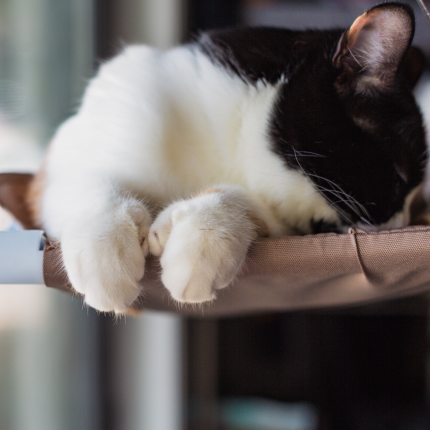
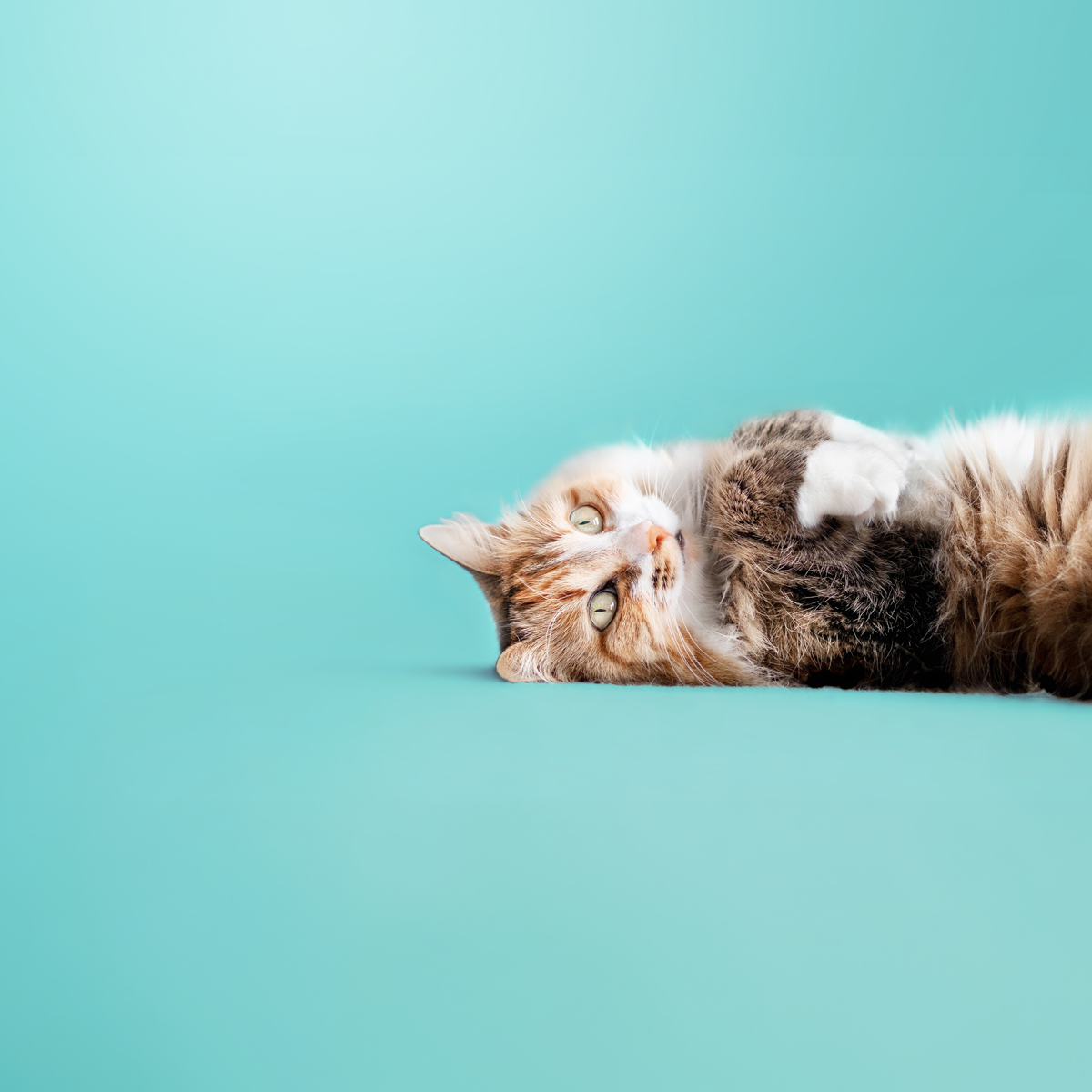
It’s common knowledge dogs love to have their tummies rubbed when they freely lay down before you and roll onto their backs. But, if you’re also familiar with cats, you know that when they roll onto their backs with their bellies exposed, rubbing the belly will most likely result in bleeding. So why do they do this? advertisement An expression of trust Cat behaviorists will likely answer that it’s a sign of trust when cats roll over and expose their bellies. That is true, indeed. But is it also a request to rub their bellies? The fact that your cat
Latest Articles
Tips on Driving Cross-Country with a Cat
Whether it’s taking your pet to the vet, traveling for a vacation to the countryside, or moving to a new home across the borders, cat owners will experience driving with their cats as passengers at least once. While road trips sound exciting to humans, it’s not exactly the same for felines. Being away from their home turf, especially for the first time, can be very stressful for cats and may cause them to act strangely inside your car. It’s not only bothersome to see your cat acting weird but, more importantly, it is dangerous to drive with a restless cat onboard. Don’t worry because we have curated the top hacks for cat owners to ensure a smooth ride filled with nothing but happy memories for you and your best bud to share forever. advertisement 1. Make sure your cat’s vaccinations are up-to-date. Before taking your cat on a cross-country road trip, make sure to visit the vet and check if his vaccinations are still valid. Some states will require you to provide certifications that your pet has been vaccinated for rabies, distemper, and viral infections, to name a few. 2. Register a microchip online. Just in case the worst happens, you can easily locate your cat using its registered microchip. Otherwise, it would be almost impossible to find him, especially when you are not in a familiar area. 3. Pack your necessities calmly. When you’re stressed, cats can tell right away and will start to feel stressed too. Make sure to keep positive energy while packing, don’t miss your cat’s feeding time, and pet him a lot to assure him that everything is okay. advertisement 4. Choose the right pet carrier for your car. Carriers will not only keep your cat still throughout the ride, but they will also secure him safely. Make sure to choose one that is compatible with your car model, fits your cat’s size, and is soft and comfortable enough for long hours of driving. Soft ones like these are especially recommended for nervous kitties who could hurt themselves on a hard carrier: 5. Bring comforting smells. Your cat may start to feel homesick just a few hours after leaving home. Bring an old blanket, stuffed toy, or anything that smells like home to relieve your pet’s anxiety and stress levels. There’s nothing a little planning and lots of love can’t fix. As long as you stick to this guide, you and your fur baby can get through that big cross-country trip together, and he’ll be back to his old happy and playful self in no time.
Why Do Cats Sleep So Much?
Chances are you will observe your cats sleeping more than you will find them awake throughout the day. That’s because cats generally sleep an average of between 12 to 20 hours a day. Should this cat behavior concern you? Cats are mostly nocturnal animals that are active mainly at night and asleep for a significantly long period in the day. Experts believe that cats, although domesticated for a long time, have retained their primal feline instincts of creeping about in the dark and pouncing on a target prey like their large feline relatives, such as the lion. advertisement Possible Reasons Cats Sleep Frequently The cats being nocturnal only partially explains why they are asleep mostly in the daytime. There are several reasons why cats sleep more than they are actively awake. 1. They may be conserving energy. Most cats may be up at night acting as a predator hunting real or imaginary mice and sleeping it off or resting during the day. They save up for the burst of time when they do the most hunting. 2. They may be bored. Animals, including cats, sleep more when there’s nothing to do. It has also been observed that cats are affected by the weather. On a rainy day conducive to sleeping, cats will tend to sleep more. 3. They may be stressed. When cats are stressed or scared, their coping tools are hiding, being less active, or sleeping more. One of the reasons cats may be stressed is if they get anxious when you are gone. 4. They may be sick or uncomfortable. When in pain, sick, or not feeling well, cats may spend most of the time under the bed or somewhere high up where they may be less active and be sleeping. Sometimes, cats just take a short breather or a “cat nap.” While their eyes may be partially or completely closed, their tails and ears may occasionally be moving, ready to spring into action with the presence of external stimuli. advertisement What You Can Do as a Cat Owner Cats are sociable and highly adaptable. Make sure you make the most of their time. As a pet owner, you can adjust the level of interaction with your cats or their activities. You can modify your pets’ sleeping habits so that they can spend more time with you. You could also change your pets’ feeding schedule to which they will adjust their sleeping patterns. What may seem like oversleeping with your pet cat is not a cause for alarm. Be concerned only when you notice your felines’ sleeping pattern deviates significantly from what’s normal for their age.
Common Reasons Why Cats Scratch
If you’ve been living with a new cat for a while, you’re probably no stranger to scratched-up doors, furniture, and carpet around the house. Scratching is part of your cat’s primal nature, so there’s always the possibility of your cat scratching people, including you. advertisement Why Do Cats Scratch? Cats scratch for different reasons. Learning why they do this behavior may help you on how to deal with this common problem. For one, scratching is a form of exercise. Cats scratch things to stretch and strengthen their muscles. Another common reason is that they are marking their territory. Cats leave their scent on scratched surfaces to signal other animals of their space. Scratching is also their way of honing their nails or relieving their anxiety. Lastly, cats may scratch people when they feel threatened. advertisement How to Stop Your Cat’s Unfavorable Scratching The best way to stop your cat from scratching your furniture or other parts of the house is to first understand your cat’s scratching behavior and preferences. Look at the frequently scratched surfaces and find an appropriate alternative with a similar texture. If your cat likes to scratch wood, find a large enough scratching post made of wood and place it right next to the surface they normally scratch. If they like to scratch horizontally, get them a mat that mimics the surface of the carpet they scratch. If you have more than one cat, make sure they each have at least one post or mat each. To avoid getting scratched by your cat, always watch their behavior when you’re playing. A hint of aggression on their demeanor means that they want to be left alone. Scratching is a normal and healthy habit of cats. You can’t completely stop them from doing it, but you can make it more favorable for you, your home, and your cat. By understanding why they engage in such behavior and how to deter them from causing destruction, you can have a more harmonious life with your cat.
Why Do Cats Meow?
Meowing is your cat’s way of communicating with you. Interestingly, cats don’t meow to get other cat’s attention. Their meow is solely for their owners and other humans. Meowing is innate in young cats to get their mother’s attention when they are hungry, cold, or hurt. As they mature, cats would naturally outgrow meowing as they have less vocal forms of communicating with other cats. However, domesticated cats retain their meow as they learn that this gets humans’ attention. Cats have a variety of meows based on what they want to communicate. Here are some of the reasons why they get meow: advertisement As greetings. Cats meow at their owner when they come home or when they see you in the house. They meow just to say hi and be friendly. To seeking attention. Cats meow because they want to play, be petted, stroked, or talked to. They want your attention, and meowing is their way to do it. To ask for food. When they are hungry, when someone walks to the kitchen, or when it’s mealtime, cats meow to remind you to feed them. To asking to open doors. Cats who want to be let in or out of the house will meow incessantly by the door or window. To express negative emotions. Meowing can be a sign that your cat is stressed, agitated, lonely, or scared. advertisement To signal confusion. Older cats that start to suffer from cognitive dysfunction start meowing aimlessly due to the disorientation they feel. To find a mate. Cats don’t exactly meow to find a mate; rather, they yowl to signal other cats that they are receptive. Over time, you, as a cat owner, should understand the different types of meows your cat makes so you’ll know how to best address their concerns. Understanding your pet is key to keeping them healthy and happy and having a harmonious relationship between cat and owner.
Cat Grooming
One of the greatest assets of a cat is its tongue. Their unique tongues are covered in hundreds of flexible backward-curved spines called “papillae.” These structures can store and release saliva on the fur, making self-grooming truly enjoyable for all felines. As you may have already noticed, cats lick almost anything, including themselves, their young, their turf, and even you. Why do cats even exhibit such adorable yet perplexing behavior? advertisement Why Cats Lick Themselves Cats are notorious for taking long naps multiple times a day, and believe it or not; they can spend up to half of their waking hours grooming themselves. Felines are naturally equipped with the implements to groom themselves—barbed tongues, flexible forepaws, and sharp teeth—so they don’t really need much help from you or professional groomers. Mother cats lick their young right after birth to clean them and provide them with comfort, coax them to suckle, and stimulate them to urinate and defecate as needed. At only four weeks old, kittens will start grooming themselves as well as their littermates in a mutual grooming behavior called “allogrooming.” Licking is instinctual to cats. Hence, owners should take caution in grooming their feline friends using other tools as most cats don’t find it enjoyable or even tolerable and might end up responding aggressively. advertisement Why Cats Lick You If cats already spend so much of their time licking themselves, why would they take even more time licking you? Here are the possible reasons why: Your cat accepts you as a member of her family and is nurturing you in the best way she knows—keeping you clean through licking. Your cat is establishing her territory and making it known to other cats that you belong to no one else but her. Your cat is licking you to show her affection. Consider licking as your cat’s version of petting you. Your cat may be feeling anxious hence, licking compulsively. Pet, cuddle, and give her more attention to reduce her stress and soothe her back to her old self. If it makes you happy that your cat licks you, then you should have no problem. But if you don’t enjoy it, you might want to establish a no-lick zone by giving her a kitty massage or distracting her with a new catnip toy. Never punish or reprimand your cat for doing something that comes naturally.
What is Feline AIDS?
Feline immunodeficiency virus or cat FIV, more commonly known as “feline AIDS,” is a retrovirus infection among cats. It is called cat FIV or AIDS because its effects are similar to that of human HIV, except it specifically affects felines. advertisement Understanding Feline AIDS This viral infection, first detected in the US in 1986, works by targeting a cat’s white blood cells, damaging its immune system. This three-stage illness progressively weakens the immune system of felines, making them vulnerable to secondary infections. Feline AIDS, like HIV in humans, is contagious. The virus can be passed on from one cat to another when: An infected cat bites a virus-free cat. Outdoor cats are more vulnerable to FIV as they may be involved in territorial disputes with infected cats. An FIV-positive mother cat passes it on to her kittens. Neutered or spayed cats have a lower chance of contracting the infection. The blood of an infected cat is transfused to an uninfected feline. The virus can invade the body easily through blood cells transferred during a blood transfusion. Unfortunately, FIV-positive cats may have the virus inside their bodies and are already damaging their immune system for years before it can be detected. The first stage of FIV is usually characterized by a lack of symptoms making it hard to diagnose pets with the virus. advertisement Common Symptoms of Cats with AIDS Once the infection progresses into the 2nd stage, infected cats will start manifesting these symptoms: Respiratory problems Poor skin and coat condition Urinary tract infections Recurrent fever Appetite loss Lack of appetite Mouth and gum inflammation Constant diarrhea Persistent eye problems Seizures Behavioral and neurological changes FIV-positive cats in the active or second stage may still recover completely with proper veterinary care. Once the infection reaches the third stage, however, there won’t be a cure. This third stage is known as the “AIDS stage,” where felines typically develop chronic illnesses or cancers. Cats with feline AIDS can still live a good quality of life for years as long as they receive constant veterinary care and live indoors.
Why Do Cats Rub?
Cats are adorable pets, but they have behaviors, which may intrigue, perplex, or even frustrate you if you don’t understand their reasons for doing those things. One such common behavior is rubbing up against you and other people. This movement may involve their foreheads and cheeks or sometimes their entire body. Most owners appreciate and approve of this behavior and interpret it as something positive. Let’s learn the real reasons why cats rub. advertisement Common Reasons Why Cats Rub There are a few reasons for cats’ common behavior of rubbing. 1. They communicate their affection. Ramming its head into your side is a cat’s method of showing affection for others. Rubbing this body part against one of yours, which is called bunting, is a way of identifying you as one of its friends. This is according to pet behavior researcher Gayle Hickman. 2. It is a territorial behavior. Aside from bunting against you, your cat also likes to bunt against things around the house. Cats have a lot of scent glands located in their cheeks, forehead, chin, ears, and at the base of their tail. These scent glands are activated when they bunt against things. This is their way of marking their territory and claiming ownership of their environment. 3. It is a means of social bonding. Cats’ scent rubbing behavior towards humans or other cats is thought to be a feline means for social bonding. They also greet other cats they know with a head rub or bunt to show their affiliation with the group. 4. They are looking for information. When a cat meets someone for the first time, it may rub up against the visitor in greeting and as a way to get information about the new person, like where they come from and if they have animals of their own. advertisement Understanding Cat Behavior Like humans, cats have their way of communicating. Their rubbing behavior is a way of showing their affection to us, social bonding with their group, and staking their territorial claim. Now that we understand this particular common behavior, we can better tolerate our pet cat the next time it does it.
Top 10 Best Cat Accounts to Follow on TikTok
Tiktok is one of the best platforms to entertain yourself with cute and funny content on cats. If you’re looking for the best accounts to follow for your daily dose of cuteness, check out these cat accounts that are oozing with fun and endless adorableness. advertisement @jackthecat1 With over 1.1 million followers on Tiktok, Jack’s cleverness and assertiveness certainly has won over the affection of cat lovers and other Tiktok users. @coolestpotatoe Who knew that being a couch potato would land Mr. Potato almost 2 million followers? Being irresistibly lovable helped a lot, too. @one_eared_uno Over 1.4 million people are entertained by this account dedicated to the many adventures of Uno, a cat with one ear. @catsinpots If you want to feel happy, join this cute and playful cat to explore the world and enjoy all things from cat plays to Disney movies. @kieselbrothers Remi and Hercules are cat brothers who love playing dress-up and doing their funny take on Tiktok trends. @mikeymoments This pretty kitty attracted more than half a million followers for his funny antics and the hilarious way he “talks” to his paw parent. @kittykottage This account features adorable foster cats doing what they do best: playing, relaxing, and being cute. It is no wonder the account has amassed almost 500k followers. @walterbishopthecat If you’re a fan of cats and games, you’ll definitely enjoy playing ‘where’s Walter’. You can’t help but laugh at his genuine facial expressions. advertisement @chaoticpaco This account chronicles the everyday lives of three unbelievably lovable kitties as they go about their day in classic Tiktok fashion. @eloisefluffca Eloise, a fluffy Ragdoll cat with piercing blue eyes, will make you fall in love with her one adorable video at a time. Cats on the Internet are certainly a popular pastime for a lot of people. If you’re creating content with your cat in the spotlight, don’t force them to do things they don’t want to do just for content. Make sure that you’ll always have their best interest in mind.
Top 5 Cat-Friendly Birthday Treats
Pet parents can be pretty generous when it comes to their babies. Aside from showering her with toys, many cat owners also spend on special treats when their cats celebrate their birthdays. If you are looking for birthday goodies for your little feline baby, here are some cat-friendly treats you may want to consider advertisement 1. Purina Friskies Party Mix Cat Treats A perfect party treat for cats, this Friskies bag contains mixed crunchies that have different but appealing flavors, such as turkey and chicken. 2. Whole Life Pet Pure Salmon Fillet How can cats resist this delicious human-grade salmon? Freeze-dried to perfection, this cat birthday treat is protein-rich, grain-free, and loaded with omega fatty acids that help make their skin and coat healthy. 3. Inaba Churu Lickable Cat Treats If your cat loves to lick, these creamy treats are purr-fect! With flavors that come in tuna, chicken, or scallop, these goodies can be consumed directly from the tube or squeezed on top of your cat’s favorite food. 4. Blue Buffalo Kitty Cravings with Chicken Because cats love chicken, these tasty treats will be a hit! It features delicious chicken as the main ingredient with a crunchy and palatable texture that will delight your feline baby. advertisement 5. Remy’s Kitchen Just Turkey Hearts Freeze-Dried Treats Ideal for cat training or snacking, these yummy treats come in freeze-dried turkey hearts that are easy to bite and full of nutrients and natural flavor. Remember, for our sweet and cuddly little cats, it’s always the thought — and the taste — that counts.
Do Hypoallergenic Cat Breeds Really Work?
Millions of people in the United States love cats but are unable to have one because of allergies. Many people who suffer from allergies hear about hypoallergenic cats and think getting one will be the solution. advertisement Are Some Cat Breeds Better for Allergies than Others? People who suffer from cat allergies react to the Fel D 1 protein found in cats’ saliva, skin, and urine. After your cat licks himself, the Fel D 1 protein becomes airborne, and you breathe it in. Both Siberian and Balinese cats have less Fel D1 protein, which means they are a better choice for people who suffer from cat allergies. Other cat breeds that are labeled as hypoallergenic and better for people with allergies are: Russian Blue Bengal Sphynx Cornish Rex Devon Rex Oriental Shorthair If you have an allergy to cats and are looking to welcome one into your home, you should look for a cat that has short fur. The less fur your cat has, the less of the Fel D1 protein they produce by licking themselves. Other anecdotal evidence suggests that males produce more Fel D1 protein than females, cats with dark fur produce more protein, and kittens produce the least Fel D1 protein of any cat. This isn’t entirely proven yet, but if you have a cat allergy, a short-haired, light-colored female may be the best choice for you. Can I Stop My Cat from Producing Fel D1 Protein? There is preliminary evidence that incorporating eggs with the IgY antibody in them decreases your cat’s production of the Fel D1 protein by 97%. The problem is that eggs don’t naturally contain the IgY antibody needed to reduce your cat’s saliva production. So scientists genetically modified the egg to have the antibody. As of right now, you can’t do anything to reduce the amount of Fel D1 protein your cat produces, but that might change in the future if scientists can mass-produce a food source that decreases your cat’s saliva production. Can I Stop Being Allergic to Cats? Not yet, but scientists are working on different ways to prevent the Fel D1 protein cats produce from affecting humans. A vaccine containing purified cat allergens is in phase II of clinic trials and shows a 70% effective rate. There is no data yet on how long the vaccine lasts, but it is a promising step for people wanting to own cats but have allergies. advertisement Conclusion Sadly, the conclusion of the conversation around whether hypoallergenic cat breeds exist or not is no, they do not, but there is hope for the future. If you have mild cat allergies, you may find you’re less bothered by female cats with light, short fur. You may even be able to find one that doesn’t bother your allergies and be able to welcome him into the family. If, however, you have severe cat allergies; unfortunately, no cat will work for you. This is because all cats produce some amount of the protein humans are allergic to. Until science catches up and can either drastically lower cats’ production of