Why Do Cats Roll Over Into Their Backs But Not Let You Touch Their Bellies?
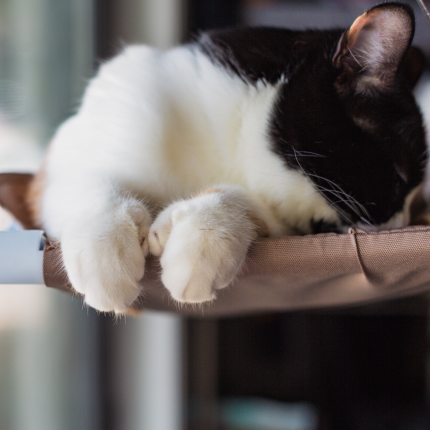
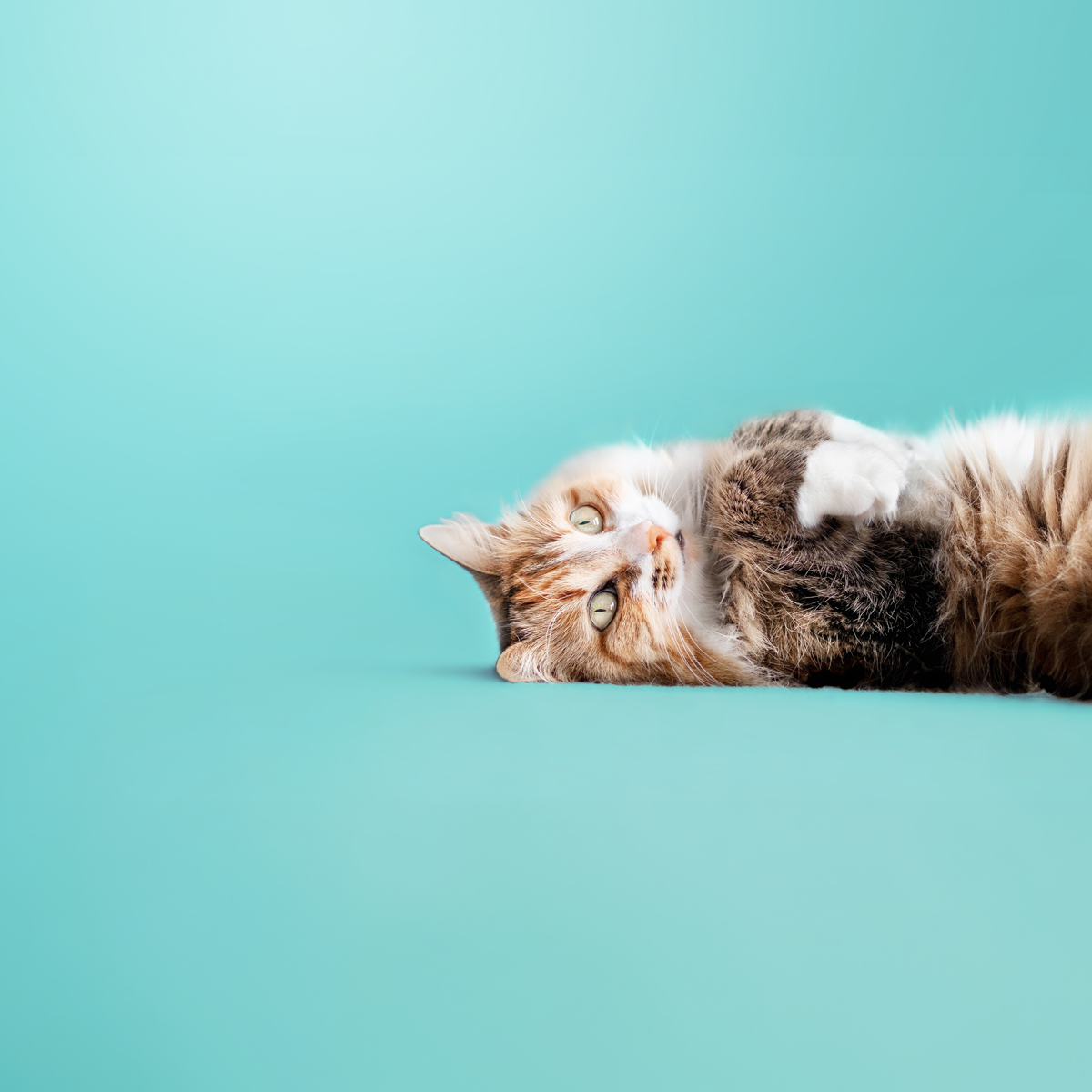
It’s common knowledge dogs love to have their tummies rubbed when they freely lay down before you and roll onto their backs. But, if you’re also familiar with cats, you know that when they roll onto their backs with their bellies exposed, rubbing the belly will most likely result in bleeding. So why do they do this? advertisement An expression of trust Cat behaviorists will likely answer that it’s a sign of trust when cats roll over and expose their bellies. That is true, indeed. But is it also a request to rub their bellies? The fact that your cat
Latest Articles
Do Hypoallergenic Cat Breeds Really Work?
Millions of people in the United States love cats but are unable to have one because of allergies. Many people who suffer from allergies hear about hypoallergenic cats and think getting one will be the solution. advertisement Are Some Cat Breeds Better for Allergies than Others? People who suffer from cat allergies react to the Fel D 1 protein found in cats’ saliva, skin, and urine. After your cat licks himself, the Fel D 1 protein becomes airborne, and you breathe it in. Both Siberian and Balinese cats have less Fel D1 protein, which means they are a better choice for people who suffer from cat allergies. Other cat breeds that are labeled as hypoallergenic and better for people with allergies are: Russian Blue Bengal Sphynx Cornish Rex Devon Rex Oriental Shorthair If you have an allergy to cats and are looking to welcome one into your home, you should look for a cat that has short fur. The less fur your cat has, the less of the Fel D1 protein they produce by licking themselves. Other anecdotal evidence suggests that males produce more Fel D1 protein than females, cats with dark fur produce more protein, and kittens produce the least Fel D1 protein of any cat. This isn’t entirely proven yet, but if you have a cat allergy, a short-haired, light-colored female may be the best choice for you. Can I Stop My Cat from Producing Fel D1 Protein? There is preliminary evidence that incorporating eggs with the IgY antibody in them decreases your cat’s production of the Fel D1 protein by 97%. The problem is that eggs don’t naturally contain the IgY antibody needed to reduce your cat’s saliva production. So scientists genetically modified the egg to have the antibody. As of right now, you can’t do anything to reduce the amount of Fel D1 protein your cat produces, but that might change in the future if scientists can mass-produce a food source that decreases your cat’s saliva production. Can I Stop Being Allergic to Cats? Not yet, but scientists are working on different ways to prevent the Fel D1 protein cats produce from affecting humans. A vaccine containing purified cat allergens is in phase II of clinic trials and shows a 70% effective rate. There is no data yet on how long the vaccine lasts, but it is a promising step for people wanting to own cats but have allergies. advertisement Conclusion Sadly, the conclusion of the conversation around whether hypoallergenic cat breeds exist or not is no, they do not, but there is hope for the future. If you have mild cat allergies, you may find you’re less bothered by female cats with light, short fur. You may even be able to find one that doesn’t bother your allergies and be able to welcome him into the family. If, however, you have severe cat allergies; unfortunately, no cat will work for you. This is because all cats produce some amount of the protein humans are allergic to. Until science catches up and can either drastically lower cats’ production of
How Often Should You Bring Your Cat to the Vet?
Many cat owners are not sure how often they should bring their cats to the vet. It’s important for your cat to get regular checkups and vaccines, but it can be hard to determine when is the right time. The best way to know whether or not your cat needs a visit with the vet is by closely monitoring her behavior and health. If she has any unusual symptoms, take her to the vet as soon as possible so that she can receive appropriate treatment. Cat illnesses usually don’t show up until it’s too late, so if you’re worried about anything at all, take her to the vet from time to time. Here is a step-by-step guide to how often one should bring the cat to the vet. advertisement Kitten Visit To The Vet As soon as your kittens open their eyes, they will be old enough to visit the vet. Your veterinarian recommends a monthly checkup until they are five months of age. People often neglect during first vet visits to discuss the cat’s potential future health care needs like the type of food they should eat, heartworm medicines that protect against parasitic diseases, etc., so make sure to ask your vet about that. Adult Cat Vet Visit Cats should be taken to the vet at least twice a year for their checkups. A lot can happen in six months, so the best way to keep your cat healthy is with regular checkups from the vet. Dental cleaning is a necessary part of any cat’s health regime. This includes inspecting the gums and teeth, as well as giving your kitty distemper and rabies vaccines to ensure they are protected against deadly diseases. Cats that stay indoors also need these vaccinations no matter how long they’ve been living indoors. These vaccine shots are good for almost three years. Senior Cat Vet Visit Your cat will need to see the vet more often as she gets older. Be sure you take her in for an annual checkup every year and pay regular visits three to four a year if your cat has any symptoms that concern you, such as weight loss, obesity, or increased thirst. Once your cat reaches ten years old, they need extra care. Some cats will require more frequent vet visits because of the increased risk for health problems that come with aging, and age-related diseases like blindness or arthritis can make it hard to maneuver around a house safely. advertisement Conclusion Do you have a vet visit scheduled for your kitty? If not, it’s time to make one. You may want to bring her in for an annual checkup and sometimes more regularly if they are sick; this is just common sense when taking care of any pet. Regular vet visits are crucial to your cat’s health. Going in for regular appointments, cats will be monitored, and any potential problems can be caught early on before it becomes too serious or impossible to treat.
Free Cat Social Media Vector Icons
Here at SparkleKitty, we want your digital project to have the opportunity to have some feline flair so we crafted up these social media illustrations free to use! Just do us a favor and give us a shoutout on social media or maybe tell a friend about your friends at SparkleKitty.com! Happy designing! advertisement
Top 10 Most Expensive Cat Breeds
Next to dogs, domestic cats are the pet lovers’ favorite. Some cat lovers would be willing to splurge a fortune just to get the pet cat of their dreams. Yes, some of the most expensive cats in the world can fetch as much as a few thousand to over 100,000 dollars! Here’s a list of the most expensive breeds of cats in 2021 with the average price to own them, according to the website Finances Online. advertisement 10. British Shorthair They are adorably chubby and rounded. They are known for their copper eyes, bluish-gray fur, and wide face. They can cost between $800 to $1,000. How avid of an exotic cat lover are you? If you are willing to have any one of the cats described above as your pet, be ready to pay the price. 9. American Curl The breed originated in Lakewood, California. Its distinguishing features are a silk flat-lying coat, expressive eyes, and curling ears. It can cost as much as $1,200. 8. Russian Blue This feline is characterized by its brilliant green eyes and silvery blue coat. The breed can be expensive, although not high maintenance – about $3,000 a kitten. 7. Scottish Fold This Scottish breed is distinguished by its flexible ears that fold down and forward, providing the cat’s face an attractive teddy bear or owl look. These cats can cost up to $3,000. 6. Sphynx It is a Canadian breed. The cats are known for their hairless look. They are loyal, playful, and enjoy human attention. Owning a Sphynx can cost you up to $3,000. 5. Peterbald Peterbald was developed from mating between a Russian Donskoy and an Oriental Shorthair. Some cats of this breed may have hair that looks like a bristly beard, while others have a velvety coat. This cat may be priced up to $5,000. 4. Persian They are noted for mushy faces and fluffy hair. With their origin traced back to ancient Persia, they have expressive eyes that give them a cute, delightful look. They can be priced up to $5,500. advertisement 3. Bengal They have a feral and exotic look and are noted for their spotted coat and muscular build. The Bengal breed was developed from the mating of a wild Asian leopard and domestic shorthairs. They can fetch up to $25,000. 2. Savannah Savannah is a hybrid of the wild African serval cat and a domestic Persian cat. An F1 female can command up to $50,000. 1. The Ashera This extremely rare breed resembles a snow leopard in its pattern, a hybrid of the Asian leopard cat, African serval, and a domestic housecat. It is the most expensive breed in the world, which can cost as much as an astronomical $125,000.