Beware of These Symptoms: Signs Your Cat Might Be Sick
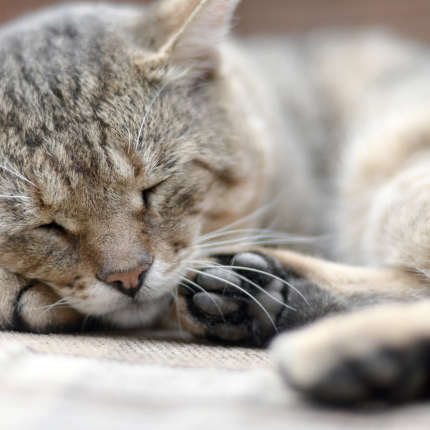
Cats are experts at hiding illness. In the wild, showing weakness can make an animal vulnerable, so even our domesticated cats instinctively mask discomfort or pain. Because of this, subtle changes in behavior or appearance can sometimes be the only clue that something is wrong. Knowing what to look for can help you catch health issues early and get your cat the care they need. Here are some important warning signs that may indicate your cat is sick.
advertisement
1. Changes in Appetite
A sudden loss of appetite is one of the most common signs of illness in cats. If your cat refuses food for more than 24 hours, it could signal anything from digestive issues to more serious conditions. On the other hand, an unusually increased appetite can also be a concern and may be linked to underlying health problems.
Watch for:
- Not eating or drinking
- Eating significantly more or less than usual
- Difficulty chewing or swallowing
2. Lethargy or Low Energy
If your normally active cat suddenly becomes sluggish, sleeps much more than usual, or shows little interest in play, it may be a sign that something isn’t right. While cats do sleep a lot, noticeable changes in energy levels—especially combined with other symptoms—should not be ignored.
3. Changes in Litter Box Habits
Your cat’s litter box habits can reveal a lot about their health. Sudden changes may indicate digestive, urinary, or kidney issues.
Look for:
- Diarrhea or constipation
- Straining to urinate
- Blood in urine or stool
- Going outside the litter box
Any difficulty urinating is especially urgent and requires immediate veterinary attention.
4. Vomiting or Frequent Hairballs
Occasional vomiting can be normal, especially if it’s related to hairballs. However, frequent vomiting or changes in frequency should be taken seriously.
Warning signs include:
- Vomiting multiple times in a short period
- Vomiting without producing a hairball
- Presence of blood or unusual material
5. Changes in Grooming or Coat Appearance
A healthy cat typically maintains a clean, well-groomed coat. Changes in grooming habits can signal illness.
Watch for:
- A dull, greasy, or unkempt coat
- Excessive grooming or hair loss
- Matted fur
Overgrooming can also indicate stress, allergies, or skin issues.
advertisement
6. Behavioral Changes
Sudden changes in personality or behavior can be one of the earliest signs of illness.
Your cat may:
- Hide more than usual
- Become unusually aggressive or withdrawn
- Vocalize more or less than normal
Any noticeable shift in behavior without an obvious cause should be monitored closely.
7. Breathing Changes
Breathing problems should always be taken seriously. If your cat is breathing rapidly, struggling to breathe, or panting unexpectedly, it may be a sign of a serious condition.
Seek immediate veterinary care if you notice:
- Open-mouth breathing
- Wheezing or coughing
- Labored or rapid breathing
8. Weight Loss or Gain
Unexpected weight changes can be a sign of underlying health issues. Gradual weight loss can be hard to notice day to day, so regular monitoring is important. If your cat appears thinner or heavier, or shows changes in body shape, it’s worth discussing with a veterinarian.
9. Eye, Nose, or Ear Discharge
Clear, healthy eyes and clean ears are signs of a well-cared-for cat. Discharge or unusual buildup may indicate infection or illness.
Watch for:
- Runny or crusty eyes
- Nasal discharge or sneezing
- Dark or foul-smelling ear debris
10. Signs of Pain or Discomfort
Cats rarely show pain openly, but subtle signs can indicate discomfort.
These may include:
- Limping or difficulty jumping
- Hunched posture
- Growling or hissing when touched
- Decreased activity
When to See a Veterinarian
If you notice any of these symptoms—especially if they persist or worsen—it’s best to consult a veterinarian. Early intervention can make a significant difference in your cat’s health and recovery. Seek immediate care if your cat is having trouble breathing, cannot urinate, is unresponsive, or shows severe signs of distress.
advertisement
Trust Your Instincts
You know your cat better than anyone. Even subtle changes in their behavior or routine can signal that something isn’t right. Trust your instincts—if something feels off, it’s always better to check. By staying attentive and proactive, you can help ensure your cat stays happy, healthy, and by your side for years to come.
Search
Follow us!


Popular Posts
Featured Articles
Polydactyl Cats: Just More Beans to Love
Polydactyl cats have become extremely popular in recent times. As a result, more and more people are interested in learning more about this six-toed cat and want to get one of their own. If you are a cat lover intrigued by polydactyl cats, you have come to the right place….

Why Do Cats Roll Over Into Their Backs But Not Let You Touch Their Bellies?
It’s common knowledge dogs love to have their tummies rubbed when they freely lay down before you and roll onto their backs. But, if you’re also familiar with cats, you know that when they roll onto their backs with their bellies exposed, rubbing the belly will most likely result in…
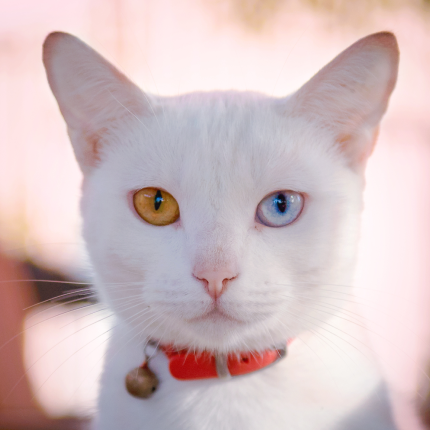
The Odd-Eyed Cat (AKA Heterochromia)
Cats are already beautiful and fascinating creatures, but people are bound to take notice when they have something as captivating as two different colored eyes. Odd-eyed cats always have one blue eye paired with either a green, yellow, or brown eye. This form of heterochromia occurs in other animals, including…