Cats Purr: The Science Behind One of Nature’s Most Comforting Sounds
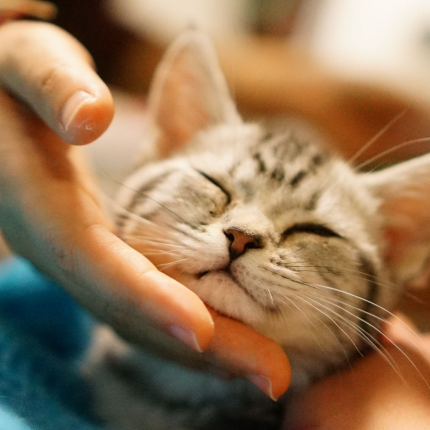
Few sounds are as instantly soothing as a cat’s purr. Whether your cat is curled up beside you, stretched across your lap, or gently headbutting your hand for attention, that steady rumbling vibration often feels like a universal sign of happiness.
But while purring can mean your cat is content, the truth is more complex. Cats purr for multiple reasons, and scientists are still learning exactly how and why this behavior developed. Here’s what we know about the mysterious, comforting sound of a cat’s purr.
advertisement
How Do Cats Actually Purr?
Before diving into the reasons cats purr, it helps to understand how they do it. Purring is created by rapid, rhythmic contractions of muscles in a cat’s larynx (voice box). These movements cause the vocal cords to vibrate as your cat breathes in and out.
Unlike many animal sounds, purring occurs during both inhalation and exhalation, creating that smooth, continuous rumble. Most domestic cats purr at a frequency range of roughly 25 to 150 Hertz, and that range is part of what makes purring so fascinating.
1. Purring Signals Comfort and Contentment
This is the most familiar reason cats purr. Many cats purr when they feel safe, relaxed, and happy. You might hear purring when your cat is:
- Being petted or brushed
- Settling down for a nap
- Kneading a blanket (or your lap)
- Greeting you when you come home
In these moments, purring can be a clear sign your cat is comfortable in their environment and enjoying the interaction. It’s a bit like a human sigh of relief or a relaxed smile.
2. Purring Is a Tool for Communication
Cats also purr to communicate with people and other animals. Kittens begin purring early in life, often while nursing, which can signal to their mother that everything is going well. Mother cats may purr back, creating a calming back-and-forth that helps strengthen the bond.
Adult cats may also use purring as a way to “talk” to humans. Many cat owners recognize the difference between a relaxed purr and an attention-seeking purr, especially around mealtime. Some research suggests cats can subtly adjust their purr to make it harder for humans to ignore, sometimes blending in a higher-pitched sound when they want something.
3. Cats Purr to Self-Soothe When Stressed or in Pain
One of the most surprising things about purring is that cats don’t only do it when they’re happy. Cats may also purr when they are:
- Frightened
- In pain
- Recovering from illness or surgery
- In unfamiliar environments, like a veterinary office
In these situations, purring may act as a self-soothing behavior that helps a cat cope with stress. Think of it as a built-in calming mechanism, similar to how humans may take deep breaths, hum, or seek comfort when anxious.
4. Purring May Help Cats Heal
One of the most intriguing theories is that purring may provide physical benefits for cats. The frequency range of cat purrs (around 25–150 Hz) overlaps with vibration frequencies that are sometimes associated with supporting healing in bones and soft tissue.
Some researchers believe this may help explain why cats can recover from certain injuries efficiently. The idea is that purring vibrations may:
- Support bone strength and repair
- Promote tissue regeneration
- Reduce inflammation
- Encourage muscle recovery
- Ease discomfort
While more research is needed to fully confirm the extent to which purring contributes to healing, it remains a compelling explanation for why this trait may have evolved.
5. Purring Strengthens Social Bonds
Purring also plays a role in building trust and connection. When your cat purrs near you, it may reinforce the sense that you are safe to be around. That shared calm can deepen your bond over time.
Many people also feel relaxed when they hear or feel a cat purring. The sound is rhythmic, gentle, and consistent, which may help humans unwind and feel grounded.
6. Can Cat Purring Help Humans Heal?
Beyond helping cats themselves, it’s also speculated that cat purring may benefit people. Because purring occurs within a vibration range used in some therapeutic applications, some researchers and animal lovers have wondered whether spending time with a purring cat could support human well-being in subtle ways.
Being around a purring cat may help people:
- Feel calmer and less anxious
- Lower stress levels
- Relax physically and mentally
- Possibly ease discomfort through soothing vibration and emotional comfort
While this idea is still being researched and is not considered a medical treatment, many cat owners report feeling calmer and physically better when spending time with a purring cat. The combination of gentle vibration, rhythmic sound, and emotional comfort may create a powerful soothing effect.
This may help explain why cat companionship is often linked to improved mental health and why simply having a purring cat on your lap can feel deeply therapeutic.
advertisement
The Gentle Mystery of the Purr
Despite everything researchers have learned, purring still holds some mystery. It serves multiple purposes: emotional expression, communication, self-calming, healing, and social bonding, all wrapped into one simple vibration.
So the next time your cat settles beside you and begins to purr, remember that the sound may carry layers of meaning. It might signal happiness, a request, comfort, or even quiet self-care.
And perhaps, just perhaps, it’s helping you feel a little better too.
One thing is certain: purring is one of the most remarkable and comforting traits cats share with us, and one of the many reasons they make such extraordinary companions.
Search
Follow us!


Popular Posts
Featured Articles
Greebles and Cats: The Origin and the Meaning
You may have seen an internet sensation concerning cats labeled “greebles.” Feel out of the loop? We’re here to help you. In 2019, Reddit user /user/literallyatree commented on a Reddit post about a cat that looks like it’s trying to slap a ghost. This user commented: “My family calls things…
Why Do Cats Roll Over Into Their Backs But Not Let You Touch Their Bellies?
It’s common knowledge dogs love to have their tummies rubbed when they freely lay down before you and roll onto their backs. But, if you’re also familiar with cats, you know that when they roll onto their backs with their bellies exposed, rubbing the belly will most likely result in…
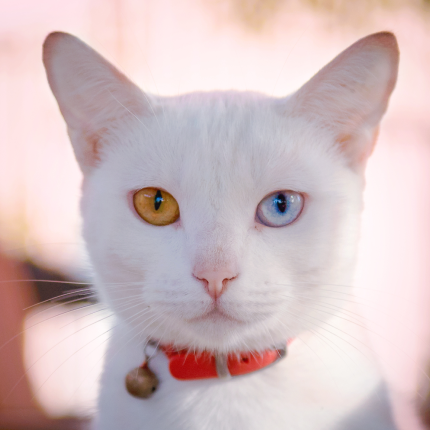
The Odd-Eyed Cat (AKA Heterochromia)
Cats are already beautiful and fascinating creatures, but people are bound to take notice when they have something as captivating as two different colored eyes. Odd-eyed cats always have one blue eye paired with either a green, yellow, or brown eye. This form of heterochromia occurs in other animals, including…