Why Do Cats Knead?
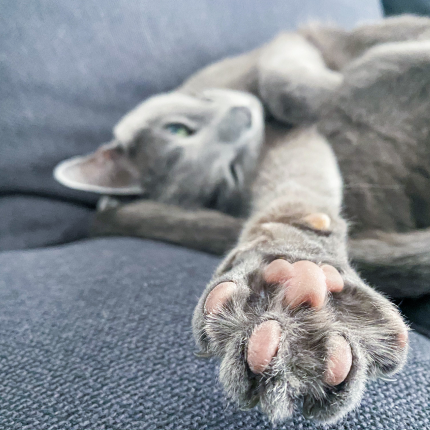
If you’ve ever had a cat press their paws into your lap, a blanket, or even your stomach in a slow, rhythmic motion, you’ve witnessed kneading. Often nicknamed “making biscuits,” kneading is one of the most endearing (and sometimes puzzling) feline behaviors.
But why do cats knead? Is it just a cute habit, or does it serve a deeper purpose? As it turns out, kneading has roots in kittenhood and can mean several different things depending on the situation.
Here’s what’s really going on when your cat starts working their paws.
advertisement
1. Kneading Starts in Kittenhood
Kneading begins when cats are very young. Kittens instinctively knead their mother’s belly while nursing. This motion helps stimulate milk flow and creates a comforting, bonding experience between kitten and mother.
Because kneading is associated with warmth, safety, and nourishment, many cats carry this behavior into adulthood. When your cat kneads you, they may be tapping into that early-life memory of security and comfort.
In simple terms, kneading often means your cat feels safe with you.
2. Kneading Can Be a Sign of Contentment
Most adult cats knead when they’re relaxed and happy. You’ll often see kneading paired with:
- Purring
- Slow blinking
- A relaxed body posture
- Curling up for a nap
If your cat climbs into your lap, begins kneading, and then settles down, they’re likely preparing a cozy resting spot. It’s their way of saying, “This is comfortable. I like it here.”
While kneading can sometimes involve claws, it’s usually a sign of affection and trust.
3. It May Be an Instinct From the Wild
Kneading may also have evolutionary roots. Wild cats would pat down grass or leaves to create a soft, safe sleeping area before lying down. The kneading motion can mimic that natural behavior.
When your cat kneads a blanket, pillow, or your lap, they may be instinctively “preparing” their resting space, even if it’s already perfectly comfortable. It’s less about necessity and more about instinct.
4. Cats Mark Territory With Their Paws
Cats have scent glands in their paw pads. When they knead, they’re not just pushing on a surface; they’re also leaving a subtle scent behind.
This means kneading can be a form of gentle territory marking. If your cat kneads you, they may be claiming you as part of their safe space. It’s their quiet way of saying, “You belong to me.”
Unlike scratching or spraying, kneading is a soft, affectionate way to leave their mark.
5. Kneading Can Be Self-Soothing
Just like purring, kneading can help cats calm themselves. The repetitive motion appears to have a soothing effect. Some cats knead more frequently during times of change, stress, or mild anxiety.
Because kneading is linked to early nursing behavior, it may bring a sense of comfort. In some cases, cats may knead while suckling on a soft blanket, which can further reinforce that self-soothing connection.
As long as the behavior isn’t extreme or causing harm, kneading is generally normal and healthy.
What If Kneading Hurts?
As sweet as kneading can be, sharp claws can make it uncomfortable. If your cat’s kneading is painful, try:
- Placing a thick blanket between you and your cat’s paws
- Keeping your cat’s nails trimmed
- Redirecting kneading to a pillow or a designated “kneading blanket”
Avoid scolding your cat for kneading. It’s instinctive and usually tied to positive emotions, so punishment can cause confusion or stress.
When Should You Be Concerned?
In most cases, kneading is completely normal. However, if kneading suddenly becomes excessive or is paired with other signs of stress (like overgrooming, hiding, appetite changes, or unusual aggression), it may be worth checking in with a veterinarian.
advertisement
The Sweet Meaning Behind “Making Biscuits”
At its core, kneading is about comfort, security, and instinct. It connects adult cats to their earliest experiences of warmth and nourishment. When your cat kneads your lap, they’re not trying to annoy you. They’re showing trust.
So the next time your cat starts “making biscuits,” take it as a compliment. You’ve become their safe place.
Search
Follow us!


Popular Posts
Featured Articles
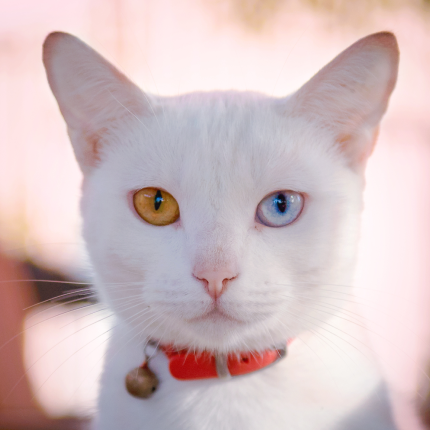
The Odd-Eyed Cat (AKA Heterochromia)
Cats are already beautiful and fascinating creatures, but people are bound to take notice when they have something as captivating as two different colored eyes. Odd-eyed cats always have one blue eye paired with either a green, yellow, or brown eye. This form of heterochromia occurs in other animals, including…
Greebles and Cats: The Origin and the Meaning
You may have seen an internet sensation concerning cats labeled “greebles.” Feel out of the loop? We’re here to help you. In 2019, Reddit user /user/literallyatree commented on a Reddit post about a cat that looks like it’s trying to slap a ghost. This user commented: “My family calls things…
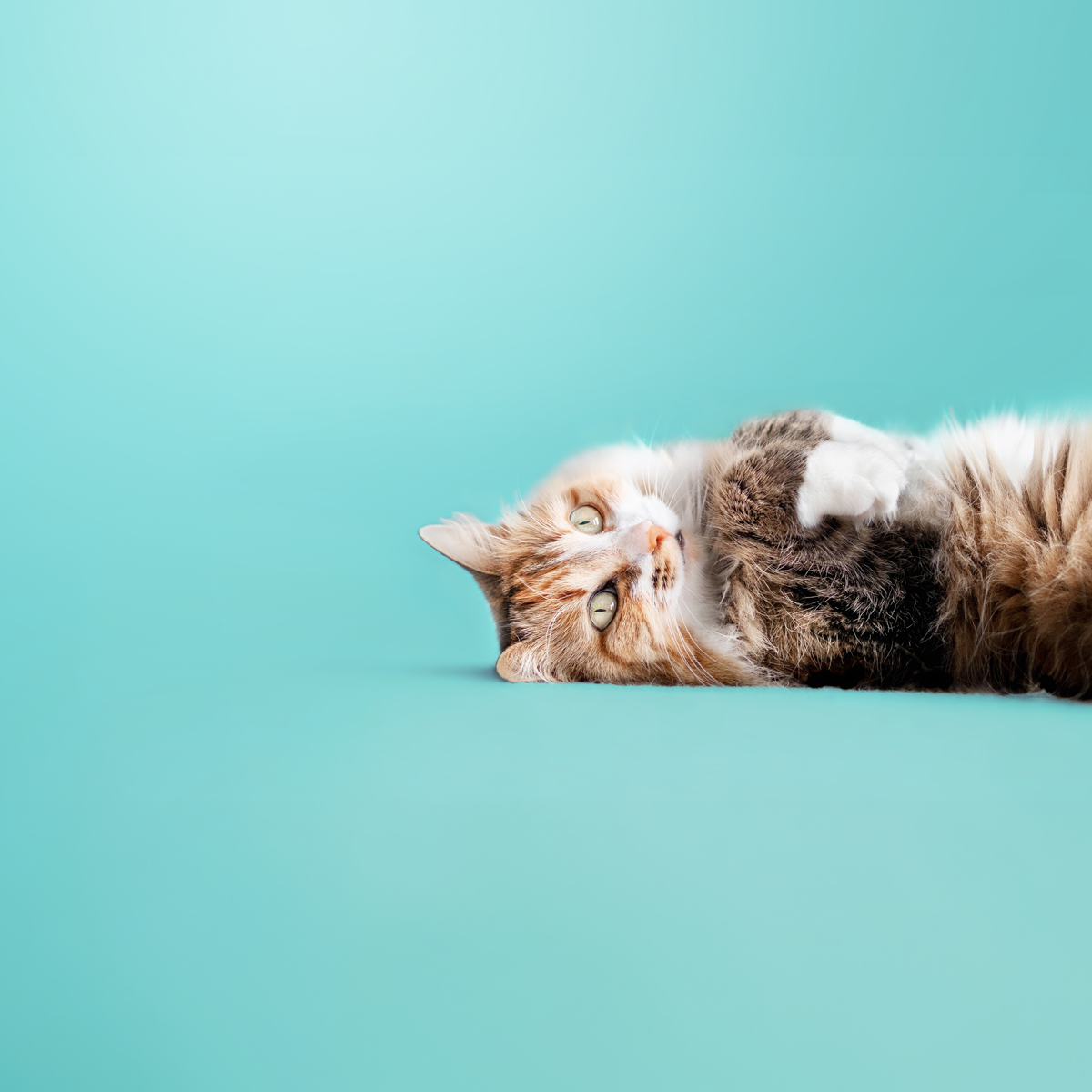
Why Do Cats Roll Over Into Their Backs But Not Let You Touch Their Bellies?
It’s common knowledge dogs love to have their tummies rubbed when they freely lay down before you and roll onto their backs. But, if you’re also familiar with cats, you know that when they roll onto their backs with their bellies exposed, rubbing the belly will most likely result in…