What Really is Catnip and Why Does My Cat Love it so Much?
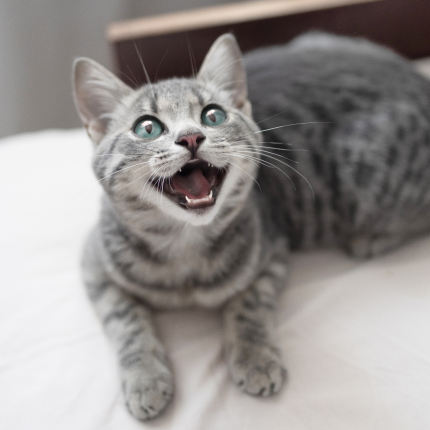
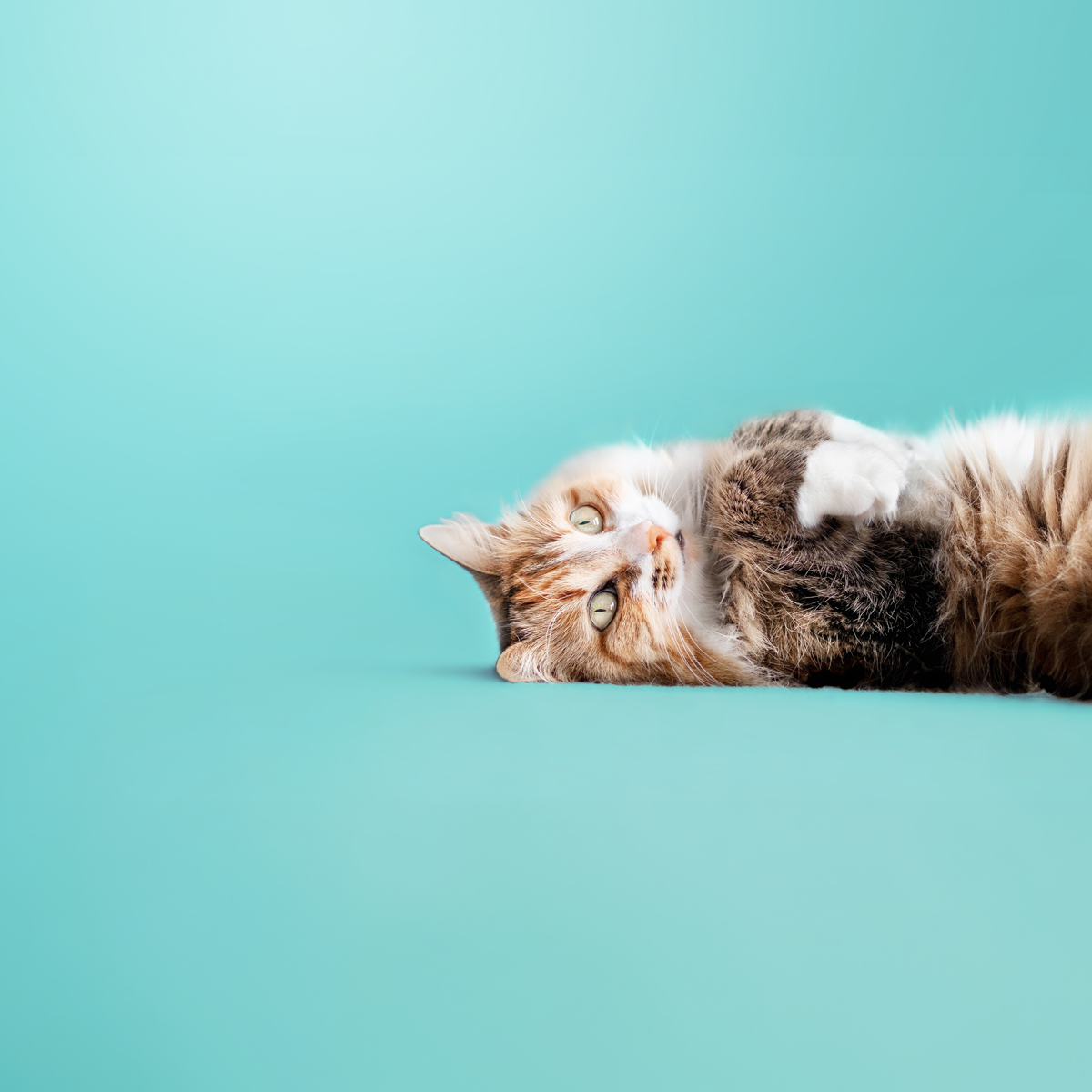
If you’ve ever given your cat a catnip toy, you’ve probably witnessed some unusual behavior. One moment your cat is calmly lounging on the couch, and the next, they’re rolling on the floor, rubbing their face on the toy, zooming around the room, or acting downright silly.
Catnip has fascinated cat owners for generations, but what exactly is it? And why do so many cats seem to lose their minds over it? The answer lies in a remarkable plant and a unique feline reaction that scientists are still studying today.
advertisement
What Is Catnip?
Catnip (Nepeta cataria) is a member of the mint family and is native to parts of Europe, Asia, and the Middle East. Today, it grows in many parts of the world and is commonly cultivated for use in cat toys, sprays, and treats.
The plant contains a natural compound called nepetalactone, which is found primarily in the leaves and stems. This chemical is responsible for the reaction many cats experience when they encounter catnip. When a cat smells catnip, nepetalactone binds to receptors in their nose and triggers a response in the brain that can affect mood and behavior.
Why Do Cats Love Catnip?
For many cats, catnip creates a temporary feeling of excitement and pleasure. Researchers believe the compound stimulates sensory neurons, activating brain regions associated with emotion and reward.
Common reactions to catnip include:
- Rolling on the ground
- Rubbing their face on the source
- Purring
- Zooming around the house
- Playful behavior
- Vocalizing more than usual
- Kicking or wrestling with toys
Some experts compare the experience to a temporary burst of euphoria, although exactly how cats perceive it remains a mystery.
Not All Cats React to Catnip
Surprisingly, not every cat is affected by catnip. The ability to respond to catnip is inherited genetically. It’s estimated that around 30% to 50% of cats show little or no reaction. Kittens younger than about six months of age often don’t respond either. The sensitivity typically develops as cats mature. If your cat seems completely uninterested in catnip, there’s nothing wrong with them—they may simply lack the genetic trait that triggers the response.
How Long Does the Catnip Effect Last?
The effects of catnip are usually short-lived. Most cats react for about 5 to 15 minutes. Afterward, they become temporarily immune to its effects for a period of time, often around 30 minutes to a few hours. This explains why repeatedly offering catnip in a short period usually doesn’t produce the same dramatic response.
Some Cats Become Calm Instead of Hyper
While many cats become energetic and playful, others react differently.
Some cats become:
- Relaxed
- Sleepy
- More affectionate
- Content to simply lounge around
Just like people react differently to certain experiences, cats have individual responses to catnip.
Can Cats Eat Catnip?
Yes, catnip is generally considered safe for cats.
Interestingly, cats often react differently depending on how they interact with it:
- Smelling catnip tends to produce playful or excited behavior.
- Eating catnip may have a more calming or relaxing effect.
Most commercial catnip products are designed to be safe when used as directed.
Are There Any Risks?
For the vast majority of cats, catnip is harmless.
However, too much catnip can occasionally cause:
- Mild digestive upset
- Temporary hyperactivity
- Overstimulation
Moderation is key. Offering catnip occasionally helps keep things exciting and prevents overstimulation.
What If My Cat Doesn’t Like Catnip?
If your cat ignores catnip completely, don’t worry. Other plants may trigger similar reactions.
Some cat-friendly alternatives include:
- Silvervine
- Valerian root
- Tatarian honeysuckle
Many cats that don’t respond to catnip will react strongly to one of these alternatives.
advertisement
More Than Just a Funny Reaction
Catnip isn’t just entertaining for humans—it can also be a valuable enrichment tool for cats. Catnip can encourage exercise, reduce boredom, stimulate play, and provide mental enrichment for indoor cats. Whether your cat becomes a playful acrobat or simply melts into a puddle of contentment, catnip offers a fascinating glimpse into the unique ways cats experience the world. So the next time your cat starts rolling around on a catnip toy like they’ve won the lottery, you’ll know there’s actually a little bit of science behind all that silliness.
Search
Follow us!


Popular Posts
Featured Articles
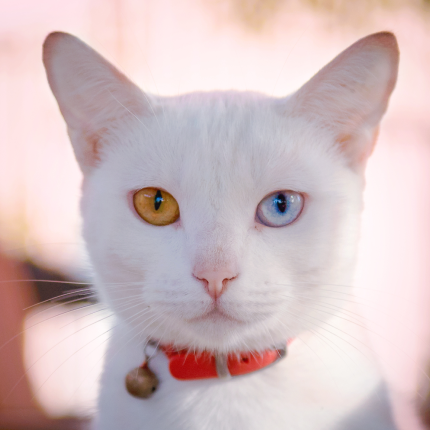
The Odd-Eyed Cat (AKA Heterochromia)
Cats are already beautiful and fascinating creatures, but people are bound to take notice when they have something as captivating as two different colored eyes. Odd-eyed cats always have one blue eye paired with either a green, yellow, or brown eye. This form of heterochromia occurs in other animals, including…
Greebles and Cats: The Origin and the Meaning
You may have seen an internet sensation concerning cats labeled “greebles.” Feel out of the loop? We’re here to help you. In 2019, Reddit user /user/literallyatree commented on a Reddit post about a cat that looks like it’s trying to slap a ghost. This user commented: “My family calls things…
Why Do Cats Roll Over Into Their Backs But Not Let You Touch Their Bellies?
It’s common knowledge dogs love to have their tummies rubbed when they freely lay down before you and roll onto their backs. But, if you’re also familiar with cats, you know that when they roll onto their backs with their bellies exposed, rubbing the belly will most likely result in…