What Is Pica in Cats? Why Some Cats Eat Things That Aren’t Food
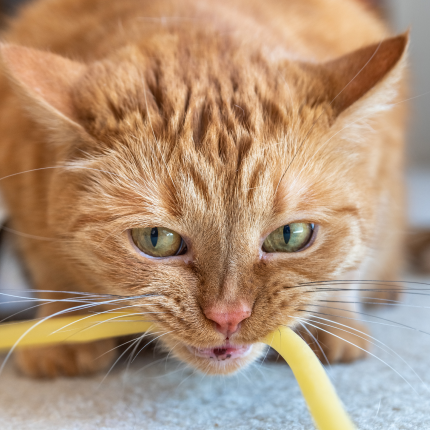
Cats are famous for putting their mouths where they don’t belong. One might chew the corner of a cardboard box, another may lick plastic grocery bags, and another seems determined to eat every loose thread in the house. An occasional nibble on something unusual can simply be feline curiosity. But when a cat repeatedly chews, sucks on, or actually eats objects that aren’t food, it may be something more: pica.
Pica can range from a relatively mild behavioral issue to a potentially dangerous problem requiring veterinary attention. Understanding why it happens, and knowing the difference between quirky chewing and genuinely concerning behavior, can help keep your cat safe.
advertisement
What Is Pica in Cats?
Pica refers to the persistent eating of substances that aren’t considered food. A cat with pica may repeatedly seek out, chew, and swallow materials around the home.
Common targets can include:
- Plastic
- Fabric and clothing
- Wool
- String and thread
- Rubber
- Paper
- Cardboard
- Hair ties
- Carpet fibers
- Houseplants
Some cats develop a preference for one particular material, while others will attempt to eat a variety of non-food objects.
Chewing Isn’t Always Pica
Before assuming your cat has pica because you caught them attacking a cardboard box, there’s an important distinction to make. Cats naturally investigate objects with their mouths. Some enjoy shredding cardboard, biting toys, or occasionally licking unusual surfaces without actually consuming them.
Pica becomes more concerning when the behavior is repetitive and your cat is intentionally swallowing non-food materials. For example, a cat tearing apart a cardboard box and leaving the pieces scattered across the floor isn’t necessarily displaying pica. A cat that regularly tears pieces off and swallows them deserves more attention.
What Causes Pica in Cats?
There’s no single explanation for feline pica. In fact, several factors may contribute to the behavior.
- Medical Conditions: Sometimes unusual eating behavior can occur alongside an underlying health problem. Gastrointestinal disease, anemia, nutritional problems, and other medical conditions may potentially contribute to abnormal eating behaviors. That’s why persistent pica shouldn’t automatically be treated as nothing more than a behavioral quirk. A veterinary examination can help determine whether there’s a medical reason behind it.
- Stress and Anxiety: Some cats may chew or suck on objects as a self-soothing behavior. Changes such as moving, introducing another pet, changing the household routine, or losing a companion can be stressful for cats. Repetitive behaviors may sometimes develop or become more noticeable during periods of stress.
- Boredom: An understimulated cat has plenty of time to invent hobbies, and unfortunately, those hobbies aren’t always particularly safe. Cats need opportunities to stalk, chase, climb, scratch, explore, and problem-solve. Without enough physical and mental enrichment, chewing household objects may become another form of entertainment.
- Early Weaning: Some cats that were separated from their mothers or weaned unusually early may retain sucking or chewing behaviors into adulthood. These cats may be especially interested in soft materials such as blankets, clothing, or wool.
- Genetics: There may also be a genetic component. Wool sucking and related behaviors have historically been reported more frequently in certain breeds, particularly Siamese and other Oriental-type cats. However, pica can occur in cats of any breed or background.
Why Is Pica Dangerous?
The biggest problem with pica isn’t necessarily the chewing—it’s what happens when the object is swallowed. A cat’s digestive system wasn’t designed to process plastic, fabric, rubber, or other household materials. Objects can become lodged in the stomach or intestines, resulting in a gastrointestinal obstruction. An intestinal blockage can become life-threatening and may require emergency surgery.
String Can Be Especially Dangerous
String-like objects deserve special attention because they can cause what’s known as a linear foreign body.
Potentially dangerous items include:
- String
- Thread
- Yarn
- Ribbon
- Dental floss
- Tinsel
- Long strips of fabric or plastic
Part of the material can become anchored while the rest moves through the digestive tract. As the intestines attempt to move the object along, they can bunch up around it, potentially causing severe internal damage. If you ever see string, ribbon, or similar material protruding from your cat’s mouth or rear end, do not pull it. Contact a veterinarian immediately.
Signs Your Cat May Have Swallowed Something Dangerous
If you know or suspect your cat has eaten a non-food object, watch carefully for signs of a gastrointestinal obstruction or other complication.
Symptoms can include:
- Vomiting or repeated retching
- Loss of appetite
- Lethargy
- Abdominal discomfort
- Hiding
- Drooling
- Difficulty passing stool
- Diarrhea
- Behavioral changes
Don’t wait for symptoms if you know your cat swallowed something potentially dangerous. Contact your veterinarian or an emergency veterinary hospital for guidance.
advertisement
How Is Pica Diagnosed?
There isn’t one simple test that confirms a cat has pica. Your veterinarian will likely want to know what your cat is eating, how frequently the behavior occurs, when it began, and whether you’ve noticed any other changes in appetite, weight, digestion, or behavior. Depending on the situation, a veterinarian may recommend testing to look for underlying medical problems. If your cat may have swallowed a foreign object, diagnostic imaging such as X-rays or ultrasound may also be necessary. Videos of the behavior can help, especially if you’re unsure whether your cat is actually swallowing the material or simply chewing it.
How Do You Stop Pica in Cats?
Treatment depends heavily on what’s causing the behavior. If an underlying medical condition is identified, treating that condition may help. If stress, boredom, or compulsive behavior appears to be involved, environmental and behavioral changes may be necessary. Regardless of the cause, preventing access to dangerous objects is one of the most important steps.
Pica-Proof Your Home
Think of it as baby-proofing your home for an extremely agile toddler who can jump onto the refrigerator.
Keep tempting objects safely stored away, including:
- Hair ties and rubber bands
- Plastic bags
- Ribbon and string
- Yarn
- Dental floss
- Loose fabric
- Sewing supplies
- Small rubber or foam objects
Don’t assume something is safe simply because your cat has played with it before without swallowing it.
Provide More Enrichment
If boredom is contributing to your cat’s behavior, make their environment more interesting.
Try incorporating:
- Daily interactive play sessions
- Puzzle feeders
- Cat trees and climbing shelves
- Window perches
- Scratching posts
- Food-hunting games
- Safe toys with different textures
Rotating toys can keep them interested instead of leaving the same collection on the floor indefinitely. Interactive play that allows your cat to stalk, chase, pounce, and “catch” a toy can be particularly valuable because it provides an appropriate outlet for natural feline behaviors.
Reduce Stress Where Possible
If pica seems connected to anxiety, look for potential sources of stress in your cat’s environment. Providing predictable routines, quiet resting areas, hiding places, vertical spaces, and adequate resources can help cats feel more secure. In a multi-cat household, make sure cats aren’t being forced to compete for essential resources such as food, water, litter boxes, scratching areas, and resting spaces.
Don’t Punish a Cat With Pica
Punishing your cat for chewing inappropriate objects is unlikely to solve the underlying problem. Yelling, spraying your cat with water, or frightening them may simply increase stress—which could potentially make stress-related repetitive behavior worse. Instead, calmly remove access to unsafe materials and redirect your cat toward an appropriate activity.
When Should You See a Veterinarian?
It’s worth discussing pica with your veterinarian whenever your cat is regularly consuming non-food materials, particularly if the behavior is new or increasing.
Schedule a veterinary evaluation if:
- Your cat regularly swallows non-food objects.
- The behavior suddenly appeared.
- Your cat seems unable to stop seeking out a particular material.
- There are changes in appetite or weight.
- Your cat has vomiting, diarrhea, or other digestive symptoms.
- Your cat has previously required treatment for swallowing foreign objects.
Persistent pica isn’t something owners should simply accept as one of their cat’s eccentricities. Identifying the cause can help prevent a potentially serious emergency.
advertisement
The Bottom Line
Pica in cats is the repeated consumption of objects that aren’t food. Cats with pica may target plastic, fabric, wool, string, cardboard, rubber, or countless other household materials. The behavior can have several possible causes, including medical conditions, stress, boredom, early-life experiences, genetics, or compulsive behavior. More importantly, swallowing non-food objects can result in choking, intestinal obstruction, or potentially life-threatening internal injuries.
If your cat occasionally gives a plastic bag a suspicious lick, there’s no need to immediately assume they have pica. But if they’re regularly attempting to eat plastic, fabric, string, or other objects, it’s time to take the behavior seriously and talk with your veterinarian. Because cats are allowed to be weird. They just shouldn’t be eating the weird stuff.
Search
Follow us!


Popular Posts
Featured Articles
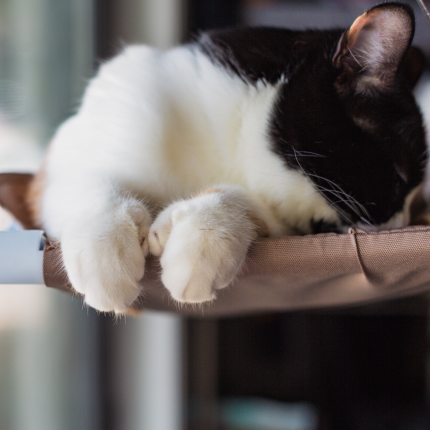
Polydactyl Cats: Just More Beans to Love
Polydactyl cats have become extremely popular in recent times. As a result, more and more people are interested in learning more about this six-toed cat and want to get one of their own. If you are a cat lover intrigued by polydactyl cats, you have come to the right place….
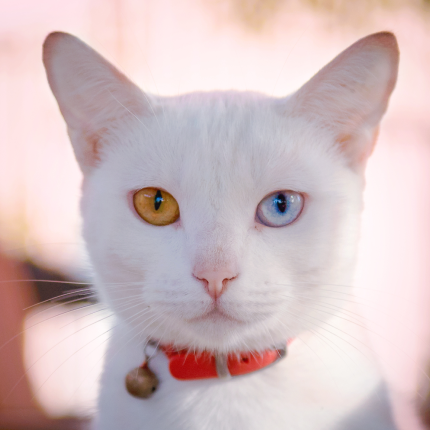
The Odd-Eyed Cat (AKA Heterochromia)
Cats are already beautiful and fascinating creatures, but people are bound to take notice when they have something as captivating as two different colored eyes. Odd-eyed cats always have one blue eye paired with either a green, yellow, or brown eye. This form of heterochromia occurs in other animals, including…
Greebles and Cats: The Origin and the Meaning
You may have seen an internet sensation concerning cats labeled “greebles.” Feel out of the loop? We’re here to help you. In 2019, Reddit user /user/literallyatree commented on a Reddit post about a cat that looks like it’s trying to slap a ghost. This user commented: “My family calls things…