Pets for the Elderly: Helping Seniors Find Feline Companionship
There’s something special about sharing your home with a cat. Their companionship can make a quiet house feel a little less quiet, provide a comforting daily routine, and, of course, ensure there’s almost always someone nearby who would like you to sit down so they can claim your lap. For older adults, however, the cost of adopting and caring for a cat can sometimes make pet ownership more difficult. That’s where Pets for the Elderly comes in. This nonprofit organization connects older adults with shelter animals and provides financial assistance through participating animal shelters across the United States. For seniors hoping to welcome a cat into their lives, the program can help make feline companionship more accessible.
advertisement
What Is Pets for the Elderly?
The Pets for the Elderly Foundation, also known as PFE, is a nonprofit organization dedicated to helping older adults experience the companionship of pet ownership while also helping shelter animals find homes. The program began in 1992 with two animal shelters near Cleveland, Ohio. It later expanded nationally and has since helped place more than 121,000 companion animals with senior adopters. Adults age 60 and older who adopt a dog or cat through a participating shelter may qualify for help with adoption-related expenses. For cat lovers, that means the program can help remove some of the financial barriers standing between an older adult and a new feline friend.
How Does Pets for the Elderly Help With Cat Adoption?
Pets for the Elderly works directly with participating animal shelters rather than operating its own adoption centers. Through these partnerships, PFE helps participating shelters cover adoption fees for qualifying adults age 60 and older. Depending on what a shelter’s adoption fee includes, assistance may also cover services such as a pre-adoption veterinary examination and spaying or neutering. Individual services vary by participating shelter, so prospective adopters should contact their local PFE partner to learn exactly what assistance is available.
Support Can Continue Beyond Adoption
One particularly helpful aspect of Pets for the Elderly is that its work isn’t necessarily limited to helping someone bring a cat home. The organization has expanded its funding to support programs at select partner shelters that help older adults continue caring for pets they already have. Depending on the participating shelter and available programs, assistance may include:
- Routine veterinary care
- Veterinary surgery
- Pet food assistance
- Home visits
- Grooming
- Pet retention assistance
This can be especially meaningful for cat owners living on a fixed income. An unexpected veterinary bill or rising pet food costs shouldn’t necessarily mean giving up a beloved companion.
Why Can Cats Be Great Companions for Older Adults?
No single “perfect” pet fits every older adult, but cats have several qualities that make them particularly appealing companions. Unlike dogs, cats don’t generally need you to take them outside several times a day for bathroom breaks or daily walks. Indoor cats can receive much of their exercise and enrichment through interactive play, climbing structures, scratching posts, toys, and attention from their humans. They also provide plenty of companionship without necessarily requiring constant activity. A cat might spend the afternoon snoozing beside you, greet you when you come home, follow you from room to room, or settle onto your lap while you watch television. That quiet companionship can make cats especially well suited to people who want an affectionate animal but may not want or be physically able to meet the exercise requirements of a dog.
An Adult or Senior Cat Could Be the Perfect Match
Kittens are adorable, but they’re also tiny agents of chaos. They climb curtains, race through the house, require frequent play and supervision, and occasionally seem determined to discover every possible way to get themselves into trouble. For some older adopters, an adult or senior cat may be a better match. Older cats often have established personalities, making it easier for shelter staff to help adopters find a cat whose temperament fits their lifestyle. A calm adult cat that enjoys affection and quiet companionship may be a wonderful fit for someone looking for a relaxed household companion. And there’s a bonus: adopting an older cat gives a deserving animal another opportunity to spend their later years in a loving home.
Choosing the Right Cat Matters
Age alone doesn’t determine whether a particular cat and person will be a good match. Before adopting, it’s important to consider practical questions such as:
- How active is the cat?
- Does the cat enjoy being handled and cuddled?
- Does the cat have existing medical needs?
- How much grooming does the cat require?
- Is the cat comfortable around visitors, other pets, or grandchildren?
- Can the adopter comfortably manage litter box care?
- Are ongoing food and veterinary expenses manageable?
Shelter staff can be an excellent resource during this process. Rather than choosing solely based on appearance, tell them what kind of companion you’re looking for. They may already know exactly which cat would happily spend the next several years occupying your favorite chair.
What If You Already Have a Cat?
Pets for the Elderly isn’t exclusively focused on new adoptions. At select participating shelters, PFE funding can support services intended to help adults age 60 and older keep the pets they already love. If financial hardship is making it difficult to afford your cat’s food, veterinary treatment, grooming, or other essential care, it’s worth checking whether a participating shelter in your area offers PFE-supported assistance. Available programs differ between shelters, so contacting the organization directly is the best way to determine what resources are available locally.
How to Find a Participating Shelter
Pets for the Elderly works with participating shelters in communities throughout the United States. The organization’s website provides a state-by-state directory where potential adopters can find participating shelters and learn more about the services offered in their area. If you’re interested in adopting a cat through the program, start by finding a participating shelter near you. You can then contact the shelter directly to ask about available cats, eligibility requirements, adoption assistance, and any additional PFE-supported services.
Helping Cats and People at the Same Time
One of the loveliest things about the Pets for the Elderly program is that its mission works in both directions. An older adult gains companionship, affection, routine, and a new little personality to share their home with. At the same time, a shelter cat gets something equally valuable: a home. For cats waiting in shelters, particularly calm adult and senior cats that may be overlooked in favor of kittens, connecting with the right older adopter can create a wonderful second chapter for everyone involved.
advertisement
The Bottom Line
Pets for the Elderly helps make cat ownership more accessible for adults age 60 and older by partnering with animal shelters across the United States. The organization can help participating shelters cover adoption expenses, while some locations also offer assistance with veterinary care, food, grooming, and other services designed to help older adults keep their pets. If you or an older cat lover in your life has been thinking about adopting, the program is well worth exploring. After all, companionship doesn’t have an age limit. And somewhere in a shelter, there may be a cat who’s just as ready for a quiet home, a comfortable lap, and a new best friend.
Search
Follow us!


Popular Posts
Featured Articles
Why Do Cats Roll Over Into Their Backs But Not Let You Touch Their Bellies?
It’s common knowledge dogs love to have their tummies rubbed when they freely lay down before you and roll onto their backs. But, if you’re also familiar with cats, you know that when they roll onto their backs with their bellies exposed, rubbing the belly will most likely result in…
Polydactyl Cats: Just More Beans to Love
Polydactyl cats have become extremely popular in recent times. As a result, more and more people are interested in learning more about this six-toed cat and want to get one of their own. If you are a cat lover intrigued by polydactyl cats, you have come to the right place….
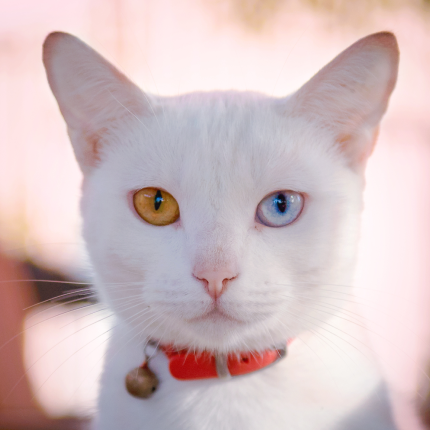
The Odd-Eyed Cat (AKA Heterochromia)
Cats are already beautiful and fascinating creatures, but people are bound to take notice when they have something as captivating as two different colored eyes. Odd-eyed cats always have one blue eye paired with either a green, yellow, or brown eye. This form of heterochromia occurs in other animals, including…