Simple Ways to Help Your Cat Live Longer and Happier
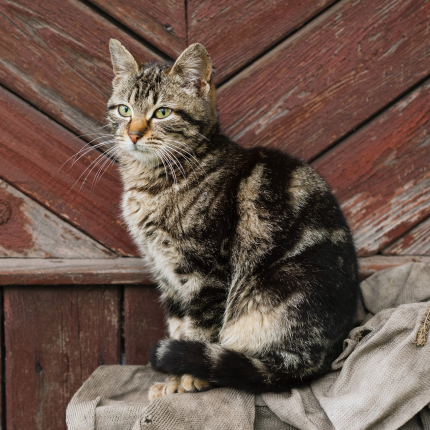
Cats are living longer than ever before, thanks to advances in veterinary care, nutrition, and attentive guardianship. With the average cat now reaching well into their senior years, understanding how to support healthy aging has become increasingly important. The good news is that small, thoughtful changes can dramatically improve an older cat’s comfort and quality of life.
The key is not to assume that aging automatically means decline. Instead, aging is a natural process that benefits from proactive care, observation, and gentle adaptation.
advertisement
When Is a Cat Considered “Old”?
Cats typically enter their senior years around 10 years of age. From there, feline aging is often divided into stages such as mature, senior, and super-senior. While every cat ages differently, this milestone is a useful signal to begin paying closer attention to physical, behavioral, and emotional changes.
Reaching old age does not mean a cat is nearing the end of life. Many senior cats remain playful, affectionate, and curious for years with the right support.
What Does Healthy Aging Look Like in Cats?
Aging itself is unavoidable. Over time, a cat’s body becomes less resilient to stress, and cellular wear accumulates. However, healthy aging means your cat still has the physical and emotional capacity to meet their daily needs while maintaining a positive bond with you.
Some changes are completely normal and do not affect quality of life. These include mild greying of fur, slight dental tartar, thinner skin, and somewhat dulled senses. These signs alone are not cause for concern.
Other changes, however, should not be dismissed as “just old age.” Difficulty jumping, trouble reaching food or litter boxes, disorientation in familiar spaces, or sudden changes in behavior may indicate pain, arthritis, or cognitive decline. These signs warrant veterinary attention.
Understanding Feline Frailty
Veterinary medicine now uses the concept of frailty to assess aging cats. Frailty refers to a reduced ability to cope with physical or environmental challenges and an increased risk of illness.
Cats identified as frail benefit greatly from early intervention. When detected early, frailty can often be managed or slowed, improving comfort and longevity. Regular veterinary checkups are essential for identifying these changes before they significantly impact daily life.
Adapting Your Cat’s Environment
One of the most effective ways to support an aging cat is to make their environment more accessible.
Ensure that food, water, litter boxes, resting areas, and hiding spots are easy to reach. Older cats often benefit from multiple resource locations throughout the home, reducing the need to climb stairs or jump frequently.
Litter boxes deserve special attention. Many commercial boxes have high sides that are difficult for cats with arthritis. A wide box with a low entry can make a big difference. Providing multiple litter boxes in quiet, easily accessible locations can also help prevent accidents.
Soft, supportive bedding placed at ground level or on low furniture allows older cats to rest comfortably while still surveying their surroundings.
Maintaining a Positive Relationship
Behavioral changes in senior cats should never be punished or ignored. A cat who scratches the carpet instead of a scratching post, for example, may be avoiding pain caused by stretching or balance issues. Increased vocalization, irritability, or anxiety may signal discomfort or confusion rather than defiance.
Maintaining a calm, respectful relationship is essential. Any new or concerning behavior should be evaluated by a veterinarian and, if needed, a feline behavior specialist. Understanding the cause protects both your cat’s wellbeing and your bond.
Keeping Mind and Body Active
Mental and physical stimulation remains important throughout a cat’s life, but activities should be adapted to match their abilities.
Gentle play, short interactive sessions, and appropriately designed puzzle feeders can help maintain cognitive health. Choose enrichment tools that don’t require jumping or complex movements. Mats, slow feeders, or toys that respond to nose pushes are often ideal.
Even brief daily engagement helps preserve mobility, confidence, and emotional wellbeing.
Nutrition Matters More Than Ever
As cats age, digestion changes and muscle mass naturally declines. Senior cats benefit from diets that are highly digestible, nutritionally balanced, and appealing in smell and texture.
Raw diets are generally not recommended for older cats, as they may be nutritionally unbalanced and pose increased health risks due to a weakened immune system. A combination of dry and wet food is often beneficial, and veterinarian-approved home-cooked meals can help stimulate appetite in picky eaters.
A simple trick for encouraging eating is gently warming wet food to enhance its aroma.
The Importance of Regular Veterinary Care
Routine veterinary visits are essential for aging cats. As the immune system weakens with age, keeping vaccinations and parasite prevention up to date becomes even more important.
Senior wellness exams focus on tracking changes over time. An initial geriatric consultation often establishes a baseline, making it easier to detect subtle changes later. From there, checkups may be recommended annually or every six months, depending on your cat’s health and level of frailty.
advertisement
Aging Gracefully Together
The goal of modern feline care is not just to extend lifespan, but to preserve comfort, dignity, and joy throughout a cat’s later years. With thoughtful environmental adjustments, attentive observation, proper nutrition, and regular veterinary support, senior cats can continue to thrive.
Aging is inevitable, but suffering is not. With the right care, your cat can enjoy their golden years with the same warmth and companionship they’ve shared with you all along.
Search
Follow us!


Popular Posts
Featured Articles
The Odd-Eyed Cat (AKA Heterochromia)
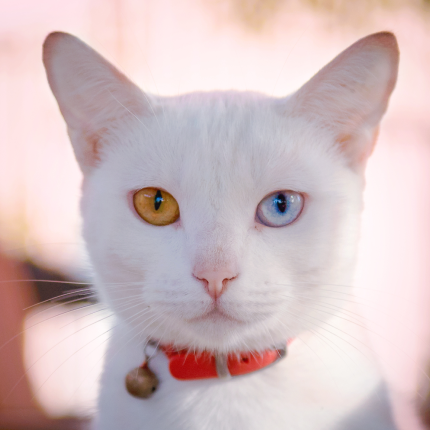
Cats are already beautiful and fascinating creatures, but people are bound to take notice when they have something as captivating as two different colored eyes. Odd-eyed cats always have one blue eye paired with either a green, yellow, or brown eye. This form of heterochromia occurs in other animals, including…
Polydactyl Cats: Just More Beans to Love
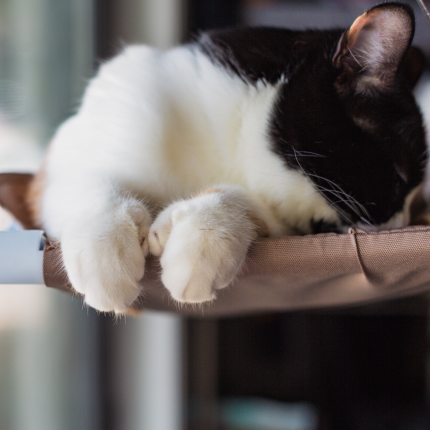
Polydactyl cats have become extremely popular in recent times. As a result, more and more people are interested in learning more about this six-toed cat and want to get one of their own. If you are a cat lover intrigued by polydactyl cats, you have come to the right place….
Greebles and Cats: The Origin and the Meaning
You may have seen an internet sensation concerning cats labeled “greebles.” Feel out of the loop? We’re here to help you. In 2019, Reddit user /user/literallyatree commented on a Reddit post about a cat that looks like it’s trying to slap a ghost. This user commented: “My family calls things…