How To Safely Introduce A New Kitten When You Already Have Cats
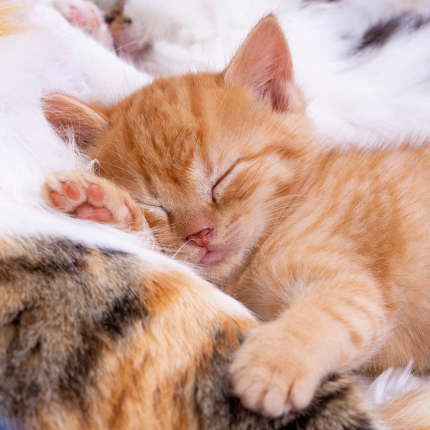
Bringing home a new kitten is exciting. Your resident cats, however, may have a different opinion. From their perspective, a tiny stranger has suddenly appeared in their territory, smells completely unfamiliar, eats their food, plays with their toys, and apparently has no understanding whatsoever of personal space.
Fortunately, a rocky first impression doesn’t mean your cats will never get along. Introducing a kitten to resident cats is usually most successful when you do it gradually, giving everyone time to adjust before you expect them to share the same space. Here’s how to safely introduce a new kitten when you already have cats.
advertisement
Don’t Introduce Them Immediately
It can be tempting to bring your kitten home, open the carrier in the living room, and let everyone meet. Resist the temptation. Even friendly cats can become frightened, defensive, or territorial when an unfamiliar animal suddenly appears in their home. Instead, your new kitten should initially have a separate room of their own.
This gives the kitten time to adjust to their new environment while allowing your resident cats to get used to the newcomer without immediate confrontation. It also gives you an opportunity to make sure the kitten is healthy before they begin interacting closely with your other cats.
Schedule a Veterinary Visit
If your kitten hasn’t already received a recent veterinary examination, schedule one before allowing close contact with your resident cats. Your veterinarian can evaluate your kitten’s overall health and discuss vaccinations, parasite prevention, testing, spaying or neutering, and any other care they may need. This is particularly important if the kitten’s medical history is unknown.
Until you’re confident the newcomer is healthy, keeping them separated can help reduce the risk of exposing your resident cats to contagious illnesses or parasites.
Create a Kitten Base Camp
Your kitten’s temporary room should contain everything they need, including:
- Food and water
- A litter box
- A comfortable bed
- A scratching surface
- Safe toys
- Hiding places
- Places to climb or perch, if appropriate
A bedroom, office, or other quiet room with a door can work well. Don’t worry that you’re being mean by keeping the kitten separated. A smaller environment can actually be less overwhelming when a kitten first arrives in an unfamiliar home. Meanwhile, your resident cats get to keep most of their normal territory and routine.
Start With Smell
For cats, introductions begin long before they actually see each other. Scent is an important part of feline communication, so let your cats get familiar with each other’s smell first. You can swap bedding between the kitten and your resident cats or gently rub a soft cloth along one cat’s cheeks and place it near the other cat’s space. You can also allow your resident cats to investigate underneath the kitten’s door.
The goal is simple: make the new smell increasingly ordinary. Don’t force a scented item directly toward a cat’s face. Simply place it nearby and allow them to investigate at their own pace.
Create Positive Associations
Once your cats know there’s someone on the other side of the door, start pairing that presence with good things. For example, you can feed the cats on opposite sides of the closed door. Start the bowls far enough away that everyone is comfortable eating. Over several meals, you can gradually move them closer to the door if the cats remain relaxed.
Treats and play sessions can work similarly. The idea is to help your resident cats learn: That weird new kitten smell means good things happen.
Try Site Swapping
Before your cats meet face-to-face, let them explore one another’s spaces separately. Place your resident cats in another comfortable part of the house and allow the kitten to explore for a short period. Your resident cats can then investigate the kitten’s room while the kitten is elsewhere.
This technique, sometimes called site swapping, allows everyone to gather information through scent without the pressure of a direct interaction. It also helps the kitten gradually learn the layout of their new home.
Move On to Visual Introductions
Once your cats seem comfortable with each other’s scent, you can start letting them see each other without unrestricted physical access. A tall baby gate, screen, mesh barrier, or partially opened door can work depending on your setup. Keep these first sessions short.
Offer treats, meals, praise, or play while the cats can see each other. Ideally, you’re looking for curiosity or even mild indifference rather than intense staring, stalking, growling, or attempts to attack through the barrier. Gradually increase the length of these sessions as everyone becomes more comfortable.
Is Hissing Normal?
Yes! A hiss during an introduction doesn’t necessarily mean disaster. Hissing is communication. Your resident cat may simply be saying, “You’re too close,” “I don’t know you,” or “Please get this tiny lunatic away from me.” A little hissing, growling, or cautious swatting can occur as cats establish boundaries.
What you don’t want to see is escalating aggression, such as prolonged chasing, cornering, repeated attacks, screaming, or fighting that doesn’t stop when one cat attempts to retreat. Don’t punish a cat for hissing or growling. Those warning signals are useful communication, and punishment can make the cat associate the newcomer with even more stress.
Begin Supervised Face-to-Face Meetings
When your cats can calmly observe one another through a barrier, you can begin short, supervised interactions in the same room. Choose an area with plenty of space and multiple escape routes. Cats should be able to move away from one another rather than feeling trapped.
Keep the first meetings brief and positive. Interactive toys can be especially helpful because they give everyone something else to focus on. Treats can also reward calm behavior. End the interaction while things are still going well rather than waiting until someone becomes irritated.
Remember That Kittens Can Be Annoying
Your kitten may be thrilled to meet the resident cats. The resident cats may not share that enthusiasm. Kittens have enormous amounts of energy and aren’t always particularly skilled at respecting social boundaries. They may pounce on tails, initiate wrestling matches, steal sleeping spots, and repeatedly attempt to play with an adult cat who would very much like them to go away.
Make sure your resident cats have places to escape the kitten. Vertical spaces such as cat trees, shelves, or window perches can be particularly useful. Older cats should be able to rest without constantly being ambushed by an enthusiastic youngster. Regularly playing with the kitten yourself can also help burn off some of that seemingly endless kitten energy.
Provide Plenty of Resources
Competition can create tension even between cats that otherwise get along. Make sure your household has enough food stations, water sources, beds, scratching areas, hiding places, and elevated resting spots. Litter boxes deserve particular attention.
A commonly recommended guideline is one litter box per cat, plus one additional box. That means a three-cat household would ideally have four litter boxes placed in different areas of the home. Putting several litter boxes directly beside one another may still feel like a single resource to your cats, so spreading them throughout the home can be helpful.
Don’t Forget About Your Resident Cats
A new kitten naturally attracts a lot of attention. They’re adorable, curious, and constantly doing something ridiculous. But try to maintain your resident cats’ normal routines as much as possible. Continue their usual feeding schedules, play sessions, cuddles, and other familiar rituals. You want the kitten’s arrival to add something to the household rather than making your existing cats feel as though their entire world has suddenly changed.
How Long Does It Take Cats to Accept a New Kitten?
There’s no universal timeline. Some cats may be comfortable together within several days. Others may need several weeks or even longer before they can peacefully share their space. Personality, age, previous experiences with other cats, available territory, and the kitten’s behavior can all affect the process.
Let the cats determine the pace rather than following a rigid schedule. If an interaction goes badly, it doesn’t mean the introduction has failed. Separate the cats, return to an earlier stage, and move forward more slowly.
When Can You Leave Them Alone Together?
Don’t leave your kitten unsupervised with resident cats until you’re confident they can interact safely. Before allowing unrestricted access, you should be seeing consistently relaxed behavior. The cats don’t necessarily need to cuddle or groom one another. Peaceful coexistence is perfectly acceptable.
You may see them comfortably passing each other, resting in the same room, eating without tension, playing appropriately, or simply ignoring one another. In fact, ignoring each other can be an excellent sign.
What If They Just Don’t Get Along?
Occasional disagreements are normal, but persistent aggression, fear, hiding, appetite changes, litter box problems, or other signs of significant stress deserve attention. Start by slowing the introduction process down. If problems continue, talk with your veterinarian. They can help rule out medical issues that might contribute to irritability or behavioral changes and may recommend working with a qualified feline behavior professional.
Trying to force cats to “work it out” through repeated confrontations can make the relationship worse rather than better.
They Don’t Have to Become Best Friends
It’s easy to imagine your new kitten curled up beside your resident cat, grooming each other’s faces and becoming inseparable. That might happen. It also might not. Successful introductions don’t require your cats to become best friends. Some cats develop close relationships, while others become perfectly content roommates who occasionally acknowledge one another before returning to their respective naps.
The goal is a household where every cat feels safe, comfortable, and can access what they need.
advertisement
The Bottom Line
When introducing a new kitten to cats already living in your home, slower is usually better. Begin with complete separation, allow everyone to become familiar through scent, gradually introduce visual contact, and move on to short supervised meetings only when your cats appear ready. Provide plenty of resources and escape routes, maintain your resident cats’ normal routines, and remember that a kitten who desperately wants to play may be considerably more enthusiastic about the relationship than your adult cats are.
Most importantly, don’t panic over a hiss or expect instant friendship. Your cats aren’t reading a script where everyone has to cuddle by the end of Day Three. Give them time to figure each other out on their own terms, and that tiny unwanted intruder may eventually become a playmate, a sleeping companion, or at the very least a reasonably tolerable roommate.
Search
Follow us!


Popular Posts

Featured Articles

Greebles and Cats: The Origin and the Meaning
You may have seen an internet sensation concerning cats labeled “greebles.” Feel out of the loop? We’re here to help you. In 2019, Reddit user /user/literallyatree commented on a Reddit post about a cat that looks like it’s trying to slap a ghost. This user commented: “My family calls things…
Polydactyl Cats: Just More Beans to Love
Polydactyl cats have become extremely popular in recent times. As a result, more and more people are interested in learning more about this six-toed cat and want to get one of their own. If you are a cat lover intrigued by polydactyl cats, you have come to the right place….

The Odd-Eyed Cat (AKA Heterochromia)
Cats are already beautiful and fascinating creatures, but people are bound to take notice when they have something as captivating as two different colored eyes. Odd-eyed cats always have one blue eye paired with either a green, yellow, or brown eye. This form of heterochromia occurs in other animals, including…