How to Perform CPR on a Cat: What Every Pet Owner Should Know
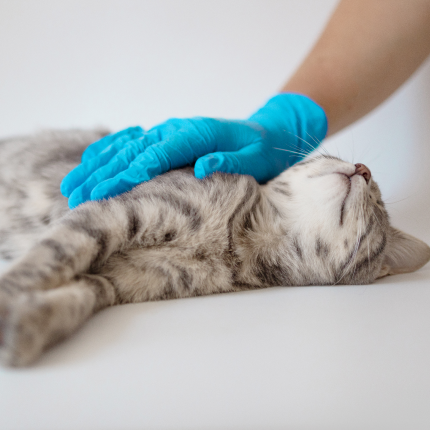
Seeing your cat in an emergency can be frightening, and knowing what to do in those critical moments can make a difference. Cardiopulmonary resuscitation (CPR) is a life-saving technique that may help restore breathing and circulation if a cat’s heart stops or they stop breathing. While CPR is not a substitute for veterinary care, it can help stabilize your cat until you can reach a veterinarian. Understanding the basics ahead of time can prepare you to act quickly if needed.
advertisement
When Might a Cat Need CPR?
CPR may be necessary if your cat:
- Is not breathing
- Has no detectable heartbeat
- Is unconscious and unresponsive
These situations can occur due to trauma, choking, poisoning, severe illness, or other medical emergencies.
Important: CPR should only be performed if your cat is truly unresponsive and not breathing. If your cat is conscious, attempting CPR could cause harm.
Step 1: Check Responsiveness and Breathing
Before starting CPR, gently call your cat’s name and tap them to see if they respond. Look for signs of breathing, such as chest movement or nasal airflow. If your cat is not breathing, check for a heartbeat by placing your hand on the left side of the chest, just behind the front leg. If there is no breathing and no heartbeat, begin CPR immediately.
Step 2: Clear the Airway
Carefully open your cat’s mouth and look for any visible obstructions, such as food, objects, or vomit. If you see something blocking the airway, gently remove it if it is safe to do so. Extend your cat’s neck slightly to help open the airway.
Step 3: Provide Rescue Breaths
Close your cat’s mouth and place your mouth over their nose, creating a seal. Give a gentle breath, just enough to see the chest rise. Cats have small lungs, so avoid blowing too forcefully. Provide 2 rescue breaths, then move on to chest compressions.
Step 4: Perform Chest Compressions
Lay your cat on their side on a firm surface. Place one hand over the chest, just behind the front legs. Press down gently but firmly, compressing the chest about one-third of its width. Aim for a rhythm of about 100–120 compressions per minute. A helpful guide is to follow a steady, fast-paced rhythm. Perform 30 compressions, then give 2 rescue breaths.
Step 5: Continue CPR Cycles
Continue cycles of:
- 30 chest compressions
- 2 rescue breaths
Repeat this process continuously while someone else contacts a veterinarian or while you prepare to transport your cat to an emergency clinic. If possible, check every couple of minutes to see if your cat has resumed breathing or regained a heartbeat.
Get Veterinary Help Immediately
Even if your cat begins breathing again, they still need immediate medical attention. CPR is only a temporary measure and does not address the underlying cause of the emergency. Always transport your cat to a veterinarian or emergency clinic as quickly as possible.
Important Safety Notes
- Only perform CPR if your cat is unresponsive and not breathing.
- Be gentle, cats are small and can be injured by excessive force.
- Do not delay professional veterinary care.
- If your cat regains consciousness, stop CPR immediately.
advertisement
Being Prepared Can Save Time
No pet owner wants to imagine an emergency, but being prepared can help you respond calmly and effectively if one occurs. Learning basic CPR techniques and knowing where your nearest emergency veterinarian is located can make a critical difference. In a stressful moment, even a small action can help give your cat the best possible chance until professional care is available.
Search
Follow us!


Popular Posts
Featured Articles
Polydactyl Cats: Just More Beans to Love
Polydactyl cats have become extremely popular in recent times. As a result, more and more people are interested in learning more about this six-toed cat and want to get one of their own. If you are a cat lover intrigued by polydactyl cats, you have come to the right place….

The Odd-Eyed Cat (AKA Heterochromia)
Cats are already beautiful and fascinating creatures, but people are bound to take notice when they have something as captivating as two different colored eyes. Odd-eyed cats always have one blue eye paired with either a green, yellow, or brown eye. This form of heterochromia occurs in other animals, including…

Why Do Cats Roll Over Into Their Backs But Not Let You Touch Their Bellies?
It’s common knowledge dogs love to have their tummies rubbed when they freely lay down before you and roll onto their backs. But, if you’re also familiar with cats, you know that when they roll onto their backs with their bellies exposed, rubbing the belly will most likely result in…