How Did Cats Become Domestic?
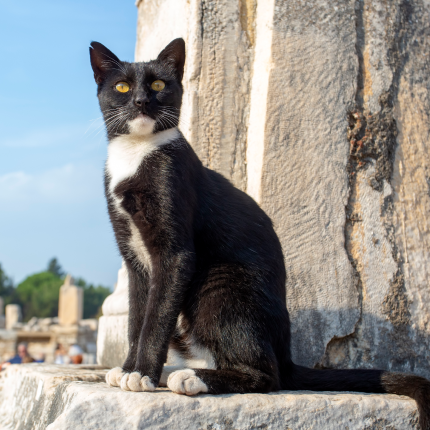
Unlike dogs, which were deliberately bred by humans for specific jobs, cats largely domesticated themselves. Their journey from wild hunters to household companions is a story of mutual benefit, quiet coexistence, and just a bit of feline independence.
advertisement
It Started With Grain, and Rodents
The domestication of cats began around 9,000–10,000 years ago, shortly after humans transitioned from nomadic lifestyles to settled agricultural communities. As people began storing grain, rodents followed, and where rodents went, wildcats soon appeared.
The wildcat most closely related to modern domestic cats is the Near Eastern wildcat (Felis silvestris lybica). These cats were solitary, efficient hunters that naturally gravitated toward human settlements because they offered an abundant food supply in the form of mice and rats.
Humans quickly noticed the benefits. Cats reduced crop losses by controlling pests; in return, they were tolerated and eventually welcomed near homes and food stores.
A Mutual Arrangement, Not a Master Plan
Cats weren’t captured and trained the way dogs were. Instead, the boldest and least fearful wildcats stuck around human settlements. These cats were more tolerant of people, better able to exploit human environments, and more likely to survive and reproduce.
Over generations, natural selection favored cats that were calmer, less aggressive, and more adaptable to living near humans. Humans, for their part, allowed these cats to stay because they were useful. The relationship developed organically, without intentional breeding programs.
In short, cats chose us.
Early Evidence of Cat–Human Bonds
One of the earliest pieces of evidence for cat domestication comes from a 9,500-year-old burial site in Cyprus, where a human was buried alongside a cat. Since cats are not native to Cyprus, this suggests humans intentionally brought them there, an indication of a meaningful relationship, not just pest control.
This shows that cats had already moved beyond being tolerated animals and into the realm of companionship.
Ancient Egypt and the Rise of the Sacred Cat
While cats were domesticated earlier in the Near East, it was in ancient Egypt that their status truly flourished. By around 4,000 years ago, cats were deeply integrated into daily life and culture.
They were associated with protection, fertility, and motherhood, and were even linked to deities. Harming a cat was a serious crime, and many cats were mummified and buried with honors. Egyptian art frequently depicts cats lounging beneath chairs or accompanying families, highlighting their role as both protectors and companions.
Egypt’s reverence for cats helped spread them across the Mediterranean as traders and sailors took cats aboard ships to control rodents.
Why Cats Stayed Independent
Because cats domesticated themselves, they retained many traits of their wild ancestors. They remained solitary hunters, highly territorial, and selective about social bonds. Unlike dogs, which evolved to work cooperatively with humans, cats evolved to live alongside humans.
This explains why modern cats are affectionate on their own terms, value personal space, and often seem less eager to please. Their independence isn’t a flaw; it’s a feature shaped by their unique path to domestication.
From Barn Cats to Beloved Pets
For thousands of years, cats remained semi-domesticated, living in barns, homes, and cities with little selective breeding. It wasn’t until the last few hundred years that humans began intentionally breeding cats for appearance, temperament, and coat patterns.
Despite this recent change, the core nature of cats remains remarkably close to that of their wild ancestors, which is why they still love to hunt, climb, hide, and nap in boxes.
advertisement
A Partnership That Still Works
Cats became domesticated not because humans needed companionship, but because both species benefited from living together. Humans gained pest control; cats gained safety, food, and shelter.
That quiet agreement still defines our relationship today. Cats remain independent, curious, and self-directed, but they’ve chosen to share their lives with us. And in true cat fashion, they did it entirely on their own terms.
Search
Follow us!


Popular Posts
Featured Articles
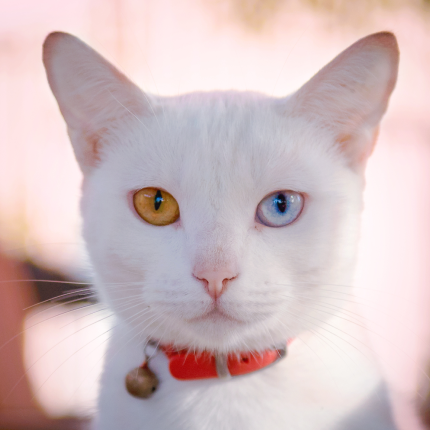
The Odd-Eyed Cat (AKA Heterochromia)
Cats are already beautiful and fascinating creatures, but people are bound to take notice when they have something as captivating as two different colored eyes. Odd-eyed cats always have one blue eye paired with either a green, yellow, or brown eye. This form of heterochromia occurs in other animals, including…
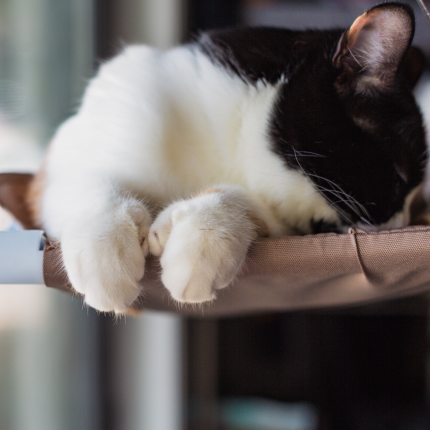
Polydactyl Cats: Just More Beans to Love
Polydactyl cats have become extremely popular in recent times. As a result, more and more people are interested in learning more about this six-toed cat and want to get one of their own. If you are a cat lover intrigued by polydactyl cats, you have come to the right place….
Greebles and Cats: The Origin and the Meaning
You may have seen an internet sensation concerning cats labeled “greebles.” Feel out of the loop? We’re here to help you. In 2019, Reddit user /user/literallyatree commented on a Reddit post about a cat that looks like it’s trying to slap a ghost. This user commented: “My family calls things…