Do Cats Get Scared During Thunderstorms?
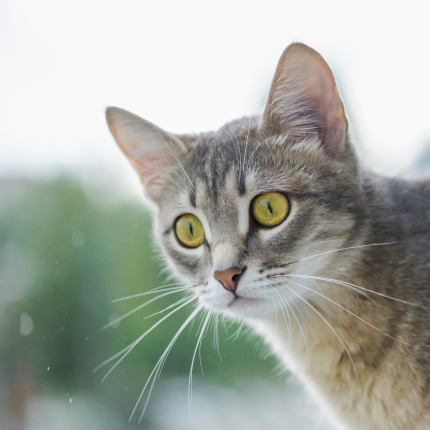
When thunder starts booming and lightning flashes across the sky, dogs often get most of the attention. They may bark, pace, whine, or desperately attempt to climb into their owner’s lap. Cats, on the other hand, tend to be a little more subtle about their feelings. So, do cats get scared during thunderstorms? Absolutely. While some cats barely seem to notice a storm, others can become frightened or anxious. They may simply express that fear differently than dogs do. Understanding how your cat reacts to storms and knowing how to make them feel secure can help thunderstorms become a little less frightening for everyone.
advertisement
Why Are Cats Afraid of Thunderstorms?
Think about a thunderstorm from your cat’s perspective. Suddenly, there are enormous unexplained noises outside, flashes of bright light, strong winds, and changes in the environment. Your cat has no way of knowing that the storm will eventually pass.
Several aspects of thunderstorms may contribute to feline anxiety, including:
- Loud thunder
- Sudden flashes of lightning
- Heavy rain or hail
- Strong winds
- Changes in air pressure
- Unfamiliar vibrations and sounds
Cats also have extremely sensitive hearing, so noises that are loud to us may be even more startling to them.
Can Cats Sense a Storm Before It Arrives?
It can certainly seem that way! Some owners notice their cats behaving differently before the first drop of rain falls. While your cat probably isn’t secretly checking the weather forecast, they may notice environmental changes associated with an approaching storm. Cats can potentially detect changes in atmospheric pressure, wind, humidity, sounds, and even scents that humans don’t immediately notice. If your cat suddenly disappears under the bed before you realize a storm is approaching, they may simply be paying closer attention to their environment than you are.
Signs Your Cat Is Afraid of Thunder
Feline fear can be surprisingly easy to miss. Instead of loudly announcing that they’re frightened, many cats simply disappear.
Signs of storm anxiety may include:
- Hiding under furniture or inside closets
- Crouching low to the ground
- Flattening their ears
- Holding their tail tightly against their body
- Dilated pupils
- Trembling
- Restlessness
- Excessive vocalization
- Refusing food
- Becoming unusually clingy
- Trying to escape
Some cats may also become defensive when they’re frightened. A normally affectionate cat might hiss, swat, or resist being handled during a storm.
Why Does My Cat Hide During a Thunderstorm?
Hiding is a normal feline response to fear. In the wild, finding a small, protected space can help an animal avoid danger. Your cat may instinctively seek out somewhere dark, quiet, and enclosed when the world suddenly becomes noisy and unpredictable.
Common storm hideouts include:
- Under the bed
- Inside a closet
- Behind furniture
- Under blankets
- Inside a carrier
- In a cardboard box
Unless the location is dangerous, there’s usually no reason to pull your cat out. Their hiding spot may be exactly what they need to feel safe.
Create a Safe Space for Your Cat
If thunderstorms are common where you live, consider creating a designated safe space before the next storm arrives. Choose a quiet interior area of your home and provide things your cat already associates with comfort, such as:
- A favorite bed or blanket
- A covered cat bed or cardboard box
- Fresh water
- Access to a litter box
- Favorite toys
- A familiar-smelling item
Closing curtains or blinds can help reduce flashes of lightning, while playing soft music, running a fan, or using a white-noise machine may help mask some of the sounds outside.
Should You Comfort a Scared Cat?
Yes, if your cat wants comfort. You don’t need to ignore your cat because you’re worried that affection will somehow “reward” their fear. If your cat seeks you out during a storm, calmly petting them, sitting nearby, or allowing them to cuddle can provide reassurance. However, don’t force interaction. If your cat wants to hide under the bed, let them. Reaching into their hiding place and pulling them out can increase their stress and may even result in a frightened scratch or bite. Let your cat decide whether they want cuddles or solitude.
Try to Keep Your Own Behavior Normal
Cats are excellent observers of human behavior. If you’re running from window to window, shouting about the weather, and generally acting alarmed, your cat may notice that something unusual is happening. During a typical thunderstorm, try to maintain your normal household routine as much as possible. Speak calmly, move normally, and give your cat the option of staying close to you without making the storm into a major event.
Keep Your Cat Indoors
Cats should be safely indoors during severe weather. A frightened outdoor cat may run farther from home while searching for shelter and become lost or injured. High winds, flooding, lightning, falling branches, and traffic can also make storms particularly dangerous. If severe weather is expected, bring outdoor-access cats inside well before the storm arrives whenever possible. It’s also a good idea to make sure your cat is microchipped and that your contact information is current in case they ever escape during frightening weather.
Can You Distract Your Cat During a Storm?
If your cat isn’t extremely frightened, play or treats may help distract them.
You might try:
- An interactive wand toy
- A food puzzle
- Favorite treats
- A little catnip for cats that respond positively to it
- A calm play session away from windows
However, a cat that’s already extremely frightened may have no interest in playing or eating. In that case, allowing them to retreat somewhere safe is usually the better approach.
When Is Thunderstorm Anxiety a Bigger Problem?
Mild nervousness during storms usually isn’t cause for concern. However, some cats experience severe fear that significantly affects their well-being.
Talk to your veterinarian if your cat:
- Panics during every storm
- Attempts to escape or injures themselves
- Stops eating for an extended period
- Urinates or defecates outside the litter box because of fear
- Becomes extremely aggressive
- Remains distressed long after the storm ends
Your veterinarian can help rule out medical problems and discuss behavioral strategies or, when appropriate, medications that may help manage severe anxiety.
Do Cats Eventually Get Used to Thunderstorms?
Some do, but there’s no guarantee. A kitten exposed to ordinary household and environmental noises in a safe, positive way may grow into an adult cat that’s relatively unfazed by storms. Other cats remain sensitive to thunder throughout their lives. Fear can also change with age. A cat that previously ignored thunderstorms may become more sensitive as it gets older, particularly if it experiences changes in hearing, vision, cognition, or general health. Rather than expecting your cat to simply “get over it,” focus on providing an environment where they can feel secure whenever storms arrive.
advertisement
The Bottom Line
Yes, cats can absolutely be scared of thunderstorms. Thunder, flashes of lightning, changes in the environment, and unfamiliar vibrations can all make a storm frightening for a sensitive feline. But while a frightened dog may make their anxiety impossible to miss, cats often respond by quietly hiding until the danger has passed. Giving your cat access to a comfortable hiding place, keeping them safely indoors, reducing noise and flashes when possible, and offering affection when they seek it can help make storms easier to handle. So, the next time thunder starts rattling the windows and your cat mysteriously vanishes into the deepest corner of your closet, don’t take it personally. They’re not being antisocial; they may simply be waiting for the sky to stop making all that ridiculous noise.
Search
Follow us!


Popular Posts

Featured Articles
Polydactyl Cats: Just More Beans to Love
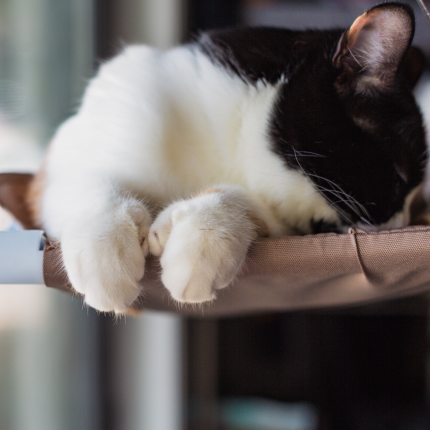
Polydactyl cats have become extremely popular in recent times. As a result, more and more people are interested in learning more about this six-toed cat and want to get one of their own. If you are a cat lover intrigued by polydactyl cats, you have come to the right place….
The Odd-Eyed Cat (AKA Heterochromia)
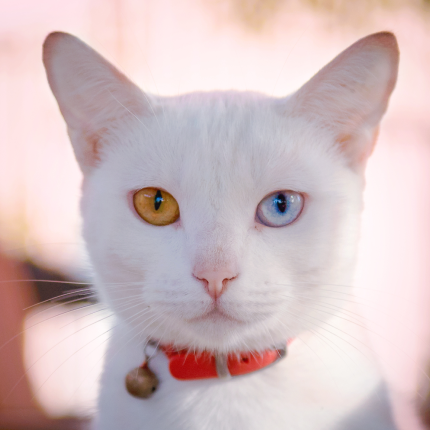
Cats are already beautiful and fascinating creatures, but people are bound to take notice when they have something as captivating as two different colored eyes. Odd-eyed cats always have one blue eye paired with either a green, yellow, or brown eye. This form of heterochromia occurs in other animals, including…
Greebles and Cats: The Origin and the Meaning
You may have seen an internet sensation concerning cats labeled “greebles.” Feel out of the loop? We’re here to help you. In 2019, Reddit user /user/literallyatree commented on a Reddit post about a cat that looks like it’s trying to slap a ghost. This user commented: “My family calls things…