Could a New Injection Help Cats Live Longer? Here’s What We Know
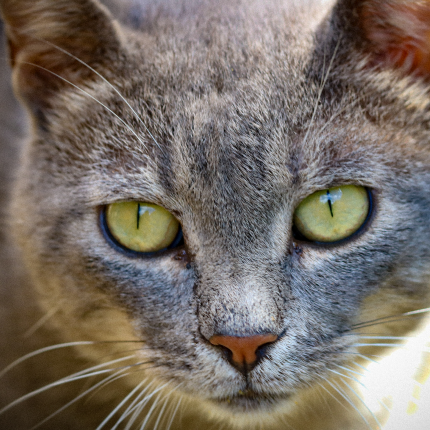
Every cat owner wishes they could have just a little more time with their feline companion. While advances in veterinary medicine have helped cats live longer than ever before, one illness continues to shorten the lives of countless cats: chronic kidney disease. Recently, exciting news has emerged from Japan about an experimental treatment that could one day change how veterinarians manage this common disease. Headlines have claimed the therapy could potentially double a cat’s lifespan, but how much of that is fact, and how much is hopeful speculation?
Here’s a closer look at the promising research.
advertisement
Why Chronic Kidney Disease Is Such a Big Problem
Chronic kidney disease (CKD) is one of the most common illnesses affecting older cats. As cats age, their kidneys gradually lose the ability to filter waste products from the bloodstream. Unfortunately, kidney damage cannot usually be reversed, and the disease often progresses over time.
Common signs of chronic kidney disease include:
- Increased thirst
- Frequent urination
- Weight loss
- Poor appetite
- Vomiting
- Lethargy
- Poor coat quality
Many cats continue living comfortably for months or even years after diagnosis with proper management, but CKD remains one of the leading causes of death in senior cats.
A New Approach to Treating Kidney Disease
Researchers in Japan have been developing an injectable therapy designed to address one of the underlying causes of chronic kidney disease rather than simply managing its symptoms. The treatment focuses on a naturally occurring protein known as Apoptosis Inhibitor of Macrophage (AIM). Scientists discovered that, unlike in humans, cats have difficulty activating this protein effectively. As a result, waste products may build up in the kidneys over time, contributing to kidney damage. The experimental injection is designed to help restore this waste-clearing process, potentially slowing the progression of kidney disease.
Can It Really Double a Cat’s Lifespan?
This is where many headlines become a little misleading.
Some reports have suggested that the treatment could extend a cat’s average lifespan from around 15 years to nearly 30 years. While this possibility has captured the imagination of cat lovers around the world, there is currently no long-term evidence proving that cats will routinely live twice as long. What researchers hope is that by preventing or delaying kidney failure, one of the major causes of death in aging cats, many cats may simply enjoy more healthy years. In other words, the treatment is not designed to stop aging itself. Instead, it aims to reduce the impact of one of the most common life-limiting diseases in cats.
Would Cats Stay Healthier for Longer?
One question many pet owners have asked is whether extending lifespan would mean extending old age. The answer isn’t yet known. If the treatment successfully delays kidney disease, many cats could potentially remain active and comfortable for longer before experiencing age-related decline. However, kidney disease is only one part of the aging process.
Cats may still develop other conditions as they grow older, including:
- Cancer
- Arthritis
- Heart disease
- Hyperthyroidism
- Cognitive decline
Researchers will need many years of follow-up data before they can fully understand how the treatment affects both lifespan and quality of life.
Where Does the Research Stand?
The therapy has generated significant excitement, but it is still moving through the regulatory process. According to available reports, researchers filed for approval in Japan in 2026, with hopes that the treatment could become commercially available after successful review and additional testing. Clinical studies have shown promising early results, but more research is needed before its long-term benefits can be confirmed.
Why This Research Matters
Even if the treatment doesn’t double feline lifespans, it could still represent one of the most significant advances in feline medicine in decades.
For cats diagnosed with chronic kidney disease, delaying the progression of the illness could mean:
- More years of good quality of life
- Fewer complications related to kidney failure
- Longer time with their families
- Improved overall health during their senior years
Because chronic kidney disease is so common in older cats, even modest improvements could have a tremendous impact.
What Can Cat Owners Do Right Now?
While this promising treatment continues to be studied, there are still many ways owners can help protect their cats’ kidney health today. Regular veterinary checkups are one of the best tools for catching kidney disease early, especially in senior cats. Your veterinarian may recommend routine bloodwork and urine testing as your cat ages.
You can also support your cat’s overall health by:
- Providing fresh water every day
- Feeding a balanced, high-quality diet
- Monitoring changes in drinking or urination
- Scheduling regular wellness exams
- Following your veterinarian’s recommendations if kidney disease is diagnosed
advertisement
The Bottom Line
The experimental AIM therapy being developed in Japan offers genuine hope for the future of feline medicine. By targeting chronic kidney disease—one of the most common illnesses affecting older cats—it has the potential to help many cats enjoy longer, healthier lives. However, it’s important to separate exciting headlines from established science. While researchers are optimistic, claims that cats will routinely live to 30 years have not yet been proven through long-term clinical data. For now, the treatment represents a promising step forward, and cat lovers around the world will be watching closely as research continues. If future studies confirm its benefits, it could become one of the most important breakthroughs in feline healthcare in recent history.
Search
Follow us!


Popular Posts

Featured Articles
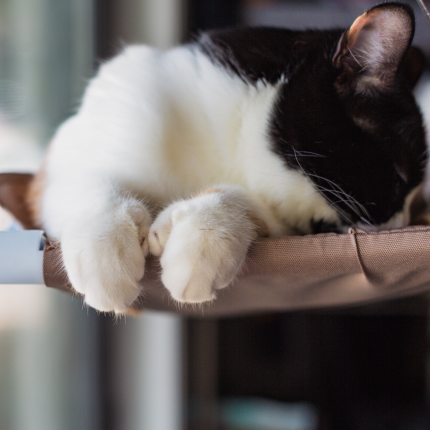
Polydactyl Cats: Just More Beans to Love
Polydactyl cats have become extremely popular in recent times. As a result, more and more people are interested in learning more about this six-toed cat and want to get one of their own. If you are a cat lover intrigued by polydactyl cats, you have come to the right place….
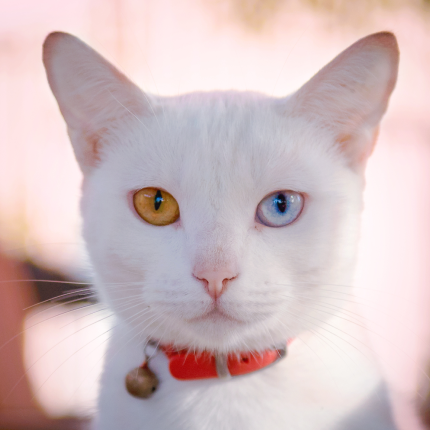
The Odd-Eyed Cat (AKA Heterochromia)
Cats are already beautiful and fascinating creatures, but people are bound to take notice when they have something as captivating as two different colored eyes. Odd-eyed cats always have one blue eye paired with either a green, yellow, or brown eye. This form of heterochromia occurs in other animals, including…
Greebles and Cats: The Origin and the Meaning
You may have seen an internet sensation concerning cats labeled “greebles.” Feel out of the loop? We’re here to help you. In 2019, Reddit user /user/literallyatree commented on a Reddit post about a cat that looks like it’s trying to slap a ghost. This user commented: “My family calls things…