Complete Nutrition for Your Cat: Everything Your Feline Needs to Thrive

When it comes to keeping your cat healthy, few things are more important than proper nutrition. The food your cat eats affects everything from their energy levels and immune system to their coat, muscles, teeth, and even how long they may live. Unlike humans and dogs, cats have very specific nutritional requirements. They are obligate carnivores, meaning their bodies are designed to get essential nutrients from animal-based proteins. While it may be tempting to share table scraps or follow dietary trends, cats require a carefully balanced diet that meets their unique biological needs. Here’s what complete nutrition looks like for your feline companion.
advertisement
What Does “Complete and Balanced” Mean?
You may have noticed the phrase “complete and balanced” on bags or cans of cat food. This means the food has been formulated to provide all of the essential nutrients your cat needs in the proper amounts for a particular life stage, such as kitten, adult, or senior. A complete diet should include:
- High-quality protein
- Healthy fats
- Essential vitamins and minerals
- Amino acids
- Fresh water
Feeding a nutritionally complete food helps reduce the risk of deficiencies and supports your cat’s overall health.
Protein: The Foundation of a Cat’s Diet
Cats rely on protein far more than many other animals. Protein provides the building blocks for muscles, organs, skin, and the immune system. Excellent sources of protein include:
- Chicken
- Turkey
- Beef
- Fish
- Lamb
Animal-based proteins also supply important amino acids that cats cannot produce on their own.
The Importance of Taurine
One nutrient that deserves special attention is taurine. Unlike many animals, cats cannot make enough taurine naturally and must obtain it through their diet. Taurine plays an important role in:
- Heart health
- Vision
- Brain function
- Healthy reproduction
- Immune system support
A taurine deficiency can lead to serious health problems, which is why commercially prepared cat foods include appropriate levels of this essential amino acid.
Healthy Fats Provide Energy
Dietary fat often gets a bad reputation, but healthy fats are an important part of a cat’s nutrition. Fats help:
- Provide energy
- Support healthy skin and a shiny coat
- Aid vitamin absorption
- Maintain brain function
Omega-3 and omega-6 fatty acids are especially beneficial for maintaining healthy skin, reducing inflammation, and supporting joint health.
advertisement
Vitamins and Minerals Matter Too
Just like people, cats require a variety of vitamins and minerals to stay healthy.
Some important nutrients include:
- Vitamin A for vision and immune health
- Vitamin D for bone health
- Vitamin E for cell protection
- Calcium and phosphorus for strong bones and teeth
- Zinc and iron for healthy blood and metabolism
A quality commercial cat food is designed to provide these nutrients in the proper balance.
Do Cats Need Carbohydrates?
Cats can digest carbohydrates, but they do not require large amounts of them. Their bodies are primarily adapted to use protein and fat as energy sources. Some carbohydrates can provide fiber, which supports healthy digestion, but excessively carbohydrate-heavy diets may not be ideal for every cat. The focus should remain on high-quality animal protein as the primary ingredient.
Wet Food vs. Dry Food
Both wet and dry cat food have benefits.
Wet food:
- Contains significantly more moisture
- May support urinary tract health
- Can be easier for some senior cats to eat
Dry food:
- Convenient to store and serve
- Often more economical
- Can be useful for food puzzles and enrichment
Many veterinarians recommend feeding a combination of both, depending on your cat’s individual needs.
Don’t Forget Water
Hydration is a vital part of complete nutrition. Cats naturally have a low thirst drive because their wild ancestors obtained much of their water from prey. As a result, many domestic cats do not drink enough water on their own. Encourage hydration by:
- Providing fresh water daily
- Using a cat water fountain
- Feeding wet food regularly
- Placing water bowls in multiple locations
Proper hydration supports kidney function and urinary tract health.
Nutrition Changes Throughout Life
Your cat’s nutritional needs change as they age.
Kittens require extra calories and nutrients to support rapid growth.
Adult cats benefit from balanced nutrition that helps maintain healthy body weight and muscle mass.
Senior cats may need diets that support joint health, kidney function, and easier digestion.
Choosing food appropriate for your cat’s life stage helps ensure they get exactly what they need.
Foods You Should Never Feed Your Cat
Some human foods can be dangerous or even toxic to cats.
Avoid feeding:
- Onions and garlic
- Chocolate
- Grapes and raisins
- Alcohol
- Caffeine
- Xylitol (an artificial sweetener)
- Raw bread dough
- Cooked bones
When in doubt, stick to foods specifically formulated for cats.
advertisement
The Bottom Line
Complete nutrition is one of the greatest gifts you can give your cat. A balanced diet rich in high-quality animal protein, healthy fats, essential vitamins, minerals, and fresh water provides the foundation for a long, healthy life. While treats have their place and the occasional snack can be enjoyable, your cat’s daily diet should always meet their unique nutritional needs as an obligate carnivore.
By feeding a complete and balanced diet and working with your veterinarian to choose the right food for your cat’s age and health, you’ll help ensure your feline friend stays happy, active, and healthy for many years to come.
Search
Follow us!


Popular Posts

Featured Articles

Greebles and Cats: The Origin and the Meaning
You may have seen an internet sensation concerning cats labeled “greebles.” Feel out of the loop? We’re here to help you. In 2019, Reddit user /user/literallyatree commented on a Reddit post about a cat that looks like it’s trying to slap a ghost. This user commented: “My family calls things…

Polydactyl Cats: Just More Beans to Love
Polydactyl cats have become extremely popular in recent times. As a result, more and more people are interested in learning more about this six-toed cat and want to get one of their own. If you are a cat lover intrigued by polydactyl cats, you have come to the right place….
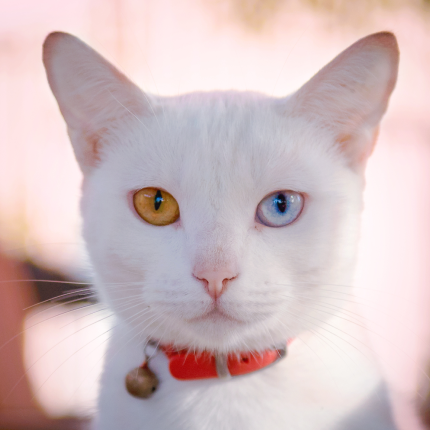
The Odd-Eyed Cat (AKA Heterochromia)
Cats are already beautiful and fascinating creatures, but people are bound to take notice when they have something as captivating as two different colored eyes. Odd-eyed cats always have one blue eye paired with either a green, yellow, or brown eye. This form of heterochromia occurs in other animals, including…