Can You Leave Your Cat at Home While You Travel?
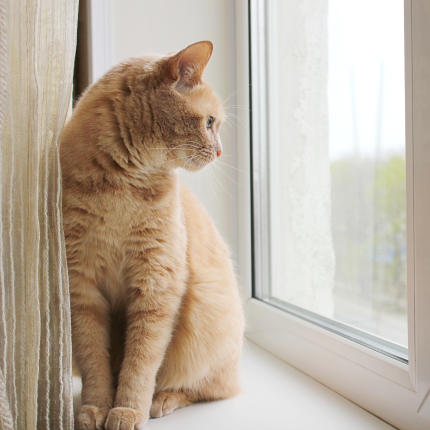
Whether you’re heading out for a weekend getaway or a week-long vacation, one question is likely on every cat owner’s mind: Can I leave my cat at home while I travel? The answer is yes; in many cases, cats are perfectly happy staying in their familiar environment while you’re away. However, how long they’re left alone and what preparations you make can have a big impact on their comfort, safety, and well-being.
Here’s what you need to know before packing your bags.
advertisement
Why Cats Often Prefer Staying Home
Unlike many dogs, cats are highly territorial animals. They tend to feel safest in familiar surroundings where they know the sights, sounds, and smells. Traveling to a new location can be stressful for many cats, especially if it involves long car rides, unfamiliar hotels, or boarding facilities. For this reason, staying at home is often the least stressful option, as long as someone is available to care for them.
How Long Can a Cat Be Left Alone?
Healthy adult cats can often manage alone for a short period, but they should never be left without someone checking on them.
As a general guideline:
- Less than 24 hours: Many healthy adult cats can be left alone with adequate food, water, and a clean litter box.
- More than 24 hours: Arrange for a trusted friend, family member, or professional pet sitter to visit at least once a day.
- Several days or longer: Daily visits are essential, and some cats may benefit from twice-daily check-ins.
Kittens, senior cats, and cats with medical conditions should never be left alone for extended periods without proper supervision.
Provide Plenty of Fresh Food and Water
Before you leave, make sure your cat has access to enough food and fresh water.
Helpful options include:
- Automatic feeders
- Multiple water bowls placed throughout the house
- A pet water fountain to encourage drinking
Even if you use automatic feeders, it’s still important for someone to check that everything is working properly.
Clean the Litter Box
Cats appreciate a clean bathroom just as much as people do.
Before your trip:
- Scoop all litter boxes thoroughly.
- Add fresh litter if needed.
- Consider setting up an extra litter box for longer trips.
If someone is visiting daily, ask them to scoop the litter box during each visit.
Leave Entertainment Behind
An empty house can be boring, especially for active indoor cats.
Help keep your cat occupied by leaving out:
- Puzzle feeders
- Favorite toys
- Cat trees or climbing shelves
- Window perches for bird watching
- Scratching posts
Some cats also enjoy calming background noise, such as soft music or a television left on at low volume.
advertisement
Ask Someone to Check In
Even if your cat seems independent, daily visits are important.
A pet sitter or trusted friend can:
- Refresh food and water
- Clean the litter box
- Spend time playing or cuddling
- Watch for signs of illness or injury
- Ensure your cat hasn’t escaped
These visits provide both physical care and valuable social interaction.
Make Your Home Safe
Before leaving, take a few minutes to cat-proof your home.
Be sure to:
- Remove toxic plants.
- Put away medications and cleaning supplies.
- Secure loose cords and strings.
- Close windows securely or ensure screens are firmly in place.
- Store small objects that could be swallowed.
Preventing accidents is much easier than dealing with an emergency while you’re away.
Should You Board Your Cat Instead?
Boarding may be a better option if your cat:
- Requires daily medication
- Has ongoing medical conditions
- Needs frequent monitoring
- Cannot safely stay home alone
While many cats prefer their own home, boarding facilities can provide professional supervision when necessary.
Signs Your Cat May Be Lonely
Some cats are perfectly content spending time alone, while others become lonely or anxious.
After you return, you may notice:
- Extra clinginess
- Increased vocalization
- Changes in appetite
- Sleeping more than usual
- Temporary behavioral changes
Most cats return to their normal routine within a day or two after their owners come home.
Preparing for a Longer Trip
If you’ll be away for more than a few days, leave detailed instructions for your pet sitter, including:
- Your veterinarian’s contact information
- Emergency phone numbers
- Your cat’s feeding schedule
- Medication instructions (if applicable)
- Your travel itinerary
Having a plan in place ensures your cat receives the best possible care while you’re away.
advertisement
The Bottom Line
Most cats are happiest staying in the comfort of their own home while their owners travel. With adequate preparation, daily check-ins, and plenty of food, water, enrichment, and affection, your cat can remain safe and comfortable until you return.
Every cat is different, so consider your pet’s age, personality, and health before deciding what’s best. A little planning goes a long way toward making your trip worry-free, for both you and your feline companion.
Search
Follow us!


Popular Posts
Featured Articles
Polydactyl Cats: Just More Beans to Love
Polydactyl cats have become extremely popular in recent times. As a result, more and more people are interested in learning more about this six-toed cat and want to get one of their own. If you are a cat lover intrigued by polydactyl cats, you have come to the right place….

The Odd-Eyed Cat (AKA Heterochromia)
Cats are already beautiful and fascinating creatures, but people are bound to take notice when they have something as captivating as two different colored eyes. Odd-eyed cats always have one blue eye paired with either a green, yellow, or brown eye. This form of heterochromia occurs in other animals, including…
Greebles and Cats: The Origin and the Meaning
You may have seen an internet sensation concerning cats labeled “greebles.” Feel out of the loop? We’re here to help you. In 2019, Reddit user /user/literallyatree commented on a Reddit post about a cat that looks like it’s trying to slap a ghost. This user commented: “My family calls things…