Weird Cat Facts

Cats are fascinating creatures. They spend hours sleeping, somehow fit into impossibly small spaces, and occasionally sprint through the house at full speed for no apparent reason. But beyond their quirky personalities, cats are full of strange and surprising traits that make them one of the most unique animals on the planet. From mysterious communication methods to bizarre physical abilities, here are some of the weirdest cat facts that might make you look at your feline friend a little differently.
advertisement
1. Cats Can’t Taste Sweet Things
Unlike humans, cats are unable to taste sweetness. Scientists discovered that cats lack the receptors needed to detect sweet flavors. This means that while your cat may be curious about your ice cream or cake, they’re not attracted to the sugar itself. They’re usually more interested in the fats, dairy, or other ingredients. For a species that can hear a mouse moving in a wall, it’s strange that sweetness is completely lost on them.
2. A Cat’s Nose Print Is Unique
Just as human fingerprints are unique, every cat has a one-of-a-kind nose print. The tiny ridges and bumps on a cat’s nose create a pattern that no other cat shares. While nose-print identification isn’t commonly used, it could theoretically identify individual cats. So your cat literally has their own built-in ID card.
3. Cats Can Rotate Their Ears 180 Degrees
Cats have incredible hearing, and their ears are a big reason why.
Each ear contains more than 30 muscles, allowing cats to:
- Rotate their ears independently
- Pinpoint the exact location of sounds
- Listen in multiple directions at once
It’s like having two furry satellite dishes mounted on top of their heads.
4. They Have a Built-In Righting Reflex
Cats possess an amazing ability known as the righting reflex. If they fall, they can often twist their bodies in midair to land on their feet. This ability begins developing when kittens are only a few weeks old. While this skill is impressive, it doesn’t mean cats are immune to injury. Falls can still be dangerous, especially from significant heights.
5. Cats Walk Like Camels and Giraffes
This one sounds completely made up, but it’s true. When cats walk, they move both legs on one side of their body before moving the legs on the other side. This unusual gait is also seen in camels and giraffes. Most animals alternate sides when walking, making cats part of a surprisingly exclusive club.
6. Some Cats Are Obsessed With Plastic
Many cat owners have discovered their cat licking, chewing, or even trying to eat plastic bags.
Experts aren’t entirely sure why some cats do this, but possible explanations include:
- The texture feels satisfying
- Residual food odors on the plastic
- Curiosity or boredom
- A condition called pica
Whatever the reason, it’s one of the stranger feline habits.
7. Cats Use Their Whiskers Like Measuring Tools
A cat’s whiskers are much more than decorative facial hair.
Whiskers are highly sensitive and help cats:
- Measure openings before attempting to squeeze through them
- Detect nearby objects
- Navigate in low light
- Sense changes in air currents
In many cases, a cat can determine whether they’ll fit through a space before even trying.
8. Cats Have a Special Organ for Smelling
Have you ever noticed your cat staring with their mouth slightly open after sniffing something? This strange expression is called the Flehmen response. Cats have a special organ located on the roof of their mouth called the Jacobson’s organ. It helps them analyze scents in greater detail than their noses alone can. It looks silly, but your cat is actually conducting a sophisticated chemical investigation.
9. Some Cats Have Extra Toes
Most cats have 18 toes:
- Five on each front paw
- Four on each back paw
However, some cats are born with extra toes, a condition called polydactylism. These cats can have paws that look almost like mittens and sometimes possess surprising climbing abilities.
10. Cats Sleep More Than Almost Any Other Mammal
It’s not your imagination, cats really do sleep a lot. The average cat spends between 12 and 16 hours sleeping every day, and some sleep even longer. This behavior comes from their ancestral hunting lifestyle. Predators conserve energy between periods of activity, and modern house cats still carry that instinct. To your cat, napping isn’t laziness; it’s a survival strategy.
11. Their Purr Might Help Them Heal
One of the strangest theories about cats involves their purr. Scientists have found that the frequency of a cat’s purr falls within a range associated with tissue repair and bone healing. Some researchers believe purring may help cats recover from injuries and maintain healthy bones. There’s even speculation that spending time with a purring cat may have calming or therapeutic effects on humans.
12. The Midnight Zoomies Have a Purpose
Many cats suddenly explode into a burst of energy late at night, racing through the house like tiny furry rockets. These “zoomies” are often linked to a cat’s natural hunting instincts. Cats are crepuscular, meaning they’re most active at dawn and dusk. Your cat may simply be responding to instincts that once helped their ancestors hunt during low-light hours. While it may seem random, your cat is likely following a schedule that’s thousands of years old.
advertisement
Cats Are Delightfully Weird
From tasting no sweetness to using whiskers as measuring devices and conducting scent investigations with the roof of their mouth, cats are full of strange and wonderful surprises. Part of what makes cats so fascinating is that even after living alongside humans for thousands of years, they still manage to behave in ways that leave us scratching our heads.
And honestly, we probably wouldn’t want them any other way.
Search
Follow us!


Popular Posts
Featured Articles
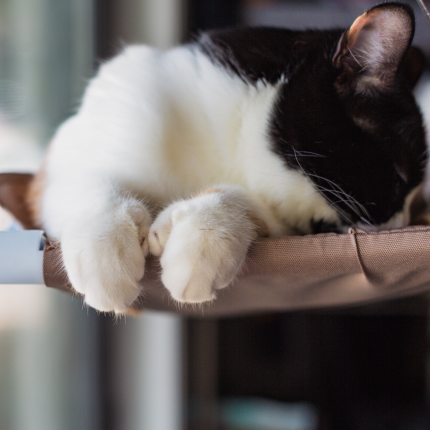
Polydactyl Cats: Just More Beans to Love
Polydactyl cats have become extremely popular in recent times. As a result, more and more people are interested in learning more about this six-toed cat and want to get one of their own. If you are a cat lover intrigued by polydactyl cats, you have come to the right place….
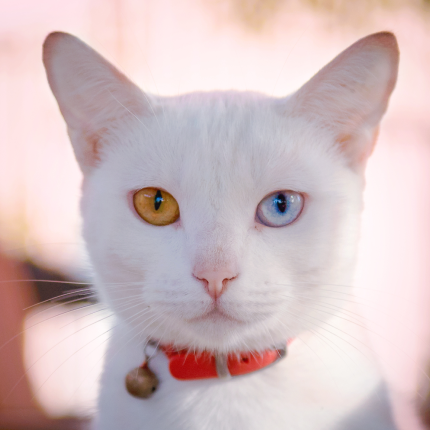
The Odd-Eyed Cat (AKA Heterochromia)
Cats are already beautiful and fascinating creatures, but people are bound to take notice when they have something as captivating as two different colored eyes. Odd-eyed cats always have one blue eye paired with either a green, yellow, or brown eye. This form of heterochromia occurs in other animals, including…
Greebles and Cats: The Origin and the Meaning
You may have seen an internet sensation concerning cats labeled “greebles.” Feel out of the loop? We’re here to help you. In 2019, Reddit user /user/literallyatree commented on a Reddit post about a cat that looks like it’s trying to slap a ghost. This user commented: “My family calls things…