How Often Should You Bring Your Cat to the Vet?
A Step By Step Guide
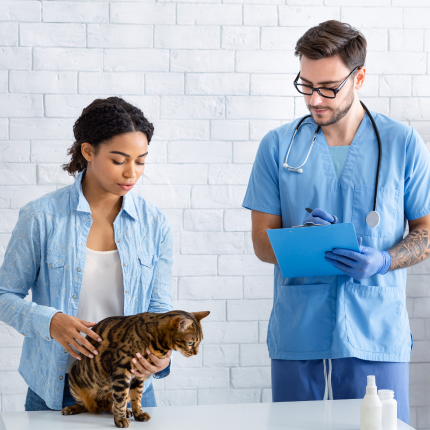
Cats are known for being independent and low-maintenance, but when it comes to their health, regular veterinary care is just as important as it is for any other pet. Because cats are so good at hiding illness, routine checkups can help catch problems early, often before symptoms become obvious. So, how often should you bring your cat to the vet? The answer depends on your cat’s age, lifestyle, and overall health.
advertisement
Kittens: Frequent Visits in the First Year
Kittens need more frequent veterinary visits than adult cats because they are growing rapidly and building their immune systems.
During the first year, your kitten will typically visit the vet every few weeks for:
- Vaccinations
- Health exams
- Parasite prevention
- Spaying or neutering
These early visits are critical for setting the foundation for a healthy life. Your veterinarian will also monitor growth and development to make sure everything is progressing normally.
Adult Cats: At Least Once a Year
Once your cat reaches adulthood (usually around one year old), most veterinarians recommend an annual checkup.
Even if your cat seems perfectly healthy, yearly exams help:
- Detect early signs of illness
- Keep vaccinations up to date
- Monitor weight and overall condition
- Check dental health
Because cats often hide symptoms, these routine visits can uncover issues you might not notice at home.
Senior Cats: Twice a Year or More
As cats age (typically around 7–10 years old), their health needs change. Senior cats are more prone to conditions like kidney disease, arthritis, and thyroid issues.
For this reason, many veterinarians recommend bringing senior cats in for checkups every 6 months.
More frequent visits allow your vet to:
- Track changes in weight and behavior
- Run routine bloodwork or screenings
- Adjust diet or medications as needed
Early detection is especially important for older cats, as many age-related conditions can be managed more effectively when caught early.
Indoor vs. Outdoor Cats
Your cat’s lifestyle also plays a role in how often they should see the vet.
Indoor cats may have fewer risks, but they still need regular checkups. Health issues like dental disease, obesity, and internal conditions can affect indoor cats just as easily.
Outdoor cats may require more frequent care due to increased exposure to:
- Parasites (fleas, ticks, worms)
- Injuries or infections
- Contagious diseases
If your cat spends time outdoors, your veterinarian may recommend additional preventive care or more frequent visits.
When to Visit the Vet Outside of Routine Checkups
In addition to regular wellness exams, you should contact your veterinarian if you notice any sudden or unusual changes in your cat’s behavior or health.
Warning signs include:
- Loss of appetite
- Weight loss or gain
- Lethargy or decreased activity
- Vomiting or diarrhea
- Changes in litter box habits
- Difficulty breathing
- Behavioral changes (hiding, aggression, vocalizing)
Because cats can decline quickly, it’s always better to seek advice sooner rather than later.
Why Regular Vet Visits Matter
Routine veterinary care isn’t just about vaccinations; it’s about prevention. Regular exams allow your veterinarian to build a health history for your cat and spot subtle changes over time. Many serious conditions, such as kidney disease or diabetes, can develop gradually and may not show obvious symptoms until they are advanced. Early detection can improve outcomes and often make treatment more manageable.
advertisement
The Bottom Line
While every cat is different, a general guideline is:
- Kittens: Every few weeks during the first year
- Adult cats: Once a year
- Senior cats: Every 6 months or as recommended
Staying consistent with veterinary visits is one of the best things you can do to support your cat’s long-term health. Even if your cat seems perfectly fine, regular checkups help ensure they stay that way. When it comes to your cat’s health, prevention and early care can make all the difference.
Search
Follow us!


Popular Posts
Featured Articles

Polydactyl Cats: Just More Beans to Love
Polydactyl cats have become extremely popular in recent times. As a result, more and more people are interested in learning more about this six-toed cat and want to get one of their own. If you are a cat lover intrigued by polydactyl cats, you have come to the right place….

The Odd-Eyed Cat (AKA Heterochromia)
Cats are already beautiful and fascinating creatures, but people are bound to take notice when they have something as captivating as two different colored eyes. Odd-eyed cats always have one blue eye paired with either a green, yellow, or brown eye. This form of heterochromia occurs in other animals, including…

Why Do Cats Roll Over Into Their Backs But Not Let You Touch Their Bellies?
It’s common knowledge dogs love to have their tummies rubbed when they freely lay down before you and roll onto their backs. But, if you’re also familiar with cats, you know that when they roll onto their backs with their bellies exposed, rubbing the belly will most likely result in…