Why Do Cats Pant?
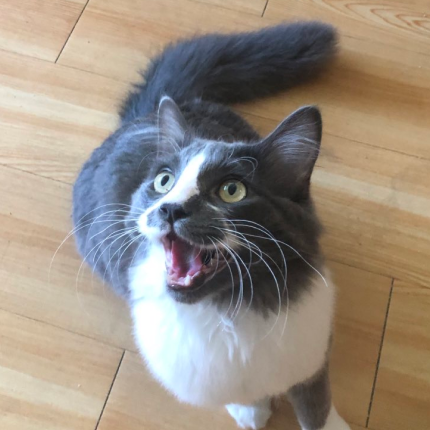
Unlike dogs, cats don’t typically pant. So if you notice your cat breathing with their mouth open and tongue out, it can be surprising—and sometimes a little concerning. While panting can be normal in certain situations, it can also signal that something isn’t quite right.
Understanding why cats pant can help you determine whether your cat is simply overheated or needs medical attention. Here’s what you need to know.
advertisement
1. Overheating or Heat Exhaustion
One of the most common reasons cats pant is to cool themselves down. Cats don’t sweat like humans, so they rely on other methods—like panting—to regulate body temperature when they get too hot.
Your cat may pant if they have been:
- In a hot or poorly ventilated space
- Lying in direct sunlight for too long
- Exposed to high outdoor temperatures
If your cat is overheated, you may also notice lethargy, drooling, or seeking cooler surfaces. Move them to a shaded, cool area and provide fresh water immediately.
2. Stress or Anxiety
Cats can pant when they are stressed or frightened. This often happens during situations that feel overwhelming, such as:
- Car rides
- Visits to the veterinarian
- Loud noises (like fireworks or thunderstorms)
- Changes in their environment
In these cases, panting is a physical response to stress. Once the stressful situation ends, your cat’s breathing should return to normal fairly quickly.
3. Intense Play or Exercise
Some cats may pant briefly after a burst of intense activity, especially if they are highly energetic or not used to vigorous play. This is more common in kittens or younger cats. If the panting stops within a minute or two after your cat calms down, it’s usually nothing to worry about. However, frequent panting after mild activity could indicate an underlying issue.
4. Underlying Medical Conditions
In some cases, panting may be a sign of a health problem. Conditions that affect breathing, circulation, or overall health can cause a cat to pant.
Possible medical causes include:
- Respiratory issues (such as asthma or infections)
- Heart disease
- Pain or injury
- Anemia
- Heatstroke
If your cat is panting frequently, unexpectedly, or for no clear reason, it’s important to consult a veterinarian.
5. Pain or Discomfort
Cats are very good at hiding pain, but panting can sometimes be a sign that something is wrong. If your cat is injured or experiencing internal discomfort, panting may accompany other subtle changes in behavior.
Watch for additional signs such as:
- Hiding or withdrawing
- Reduced appetite
- Changes in posture or movement
- Vocalizing more than usual
Any combination of these symptoms, along with panting, should be taken seriously.
When Should You Be Concerned?
Occasional panting after play or during a stressful moment can be normal. However, you should seek veterinary care if your cat:
- Pants without an obvious reason
- Continues panting for several minutes
- Has labored or noisy breathing
- Shows blue or pale gums
- Seems weak, disoriented, or unresponsive
These could be signs of a more serious condition that requires immediate attention.
How to Help a Panting Cat
If your cat starts panting, here are a few steps you can take:
- Move them to a cool, quiet environment
- Offer fresh water
- Reduce stressors (noise, movement, handling)
- Allow them to rest undisturbed
If the panting does not stop quickly or worsens, contact your veterinarian as soon as possible.
advertisement
Understanding Your Cat’s Breathing
Because panting is uncommon in cats, it’s important to pay attention when it happens. In many cases, it’s a temporary response to heat, stress, or exertion. But it can also be an early warning sign that your cat needs help. By observing your cat’s behavior and knowing what’s normal for them, you can respond quickly and keep them safe, comfortable, and healthy.
Search
Follow us!


Popular Posts
Featured Articles
Polydactyl Cats: Just More Beans to Love
Polydactyl cats have become extremely popular in recent times. As a result, more and more people are interested in learning more about this six-toed cat and want to get one of their own. If you are a cat lover intrigued by polydactyl cats, you have come to the right place….
The Odd-Eyed Cat (AKA Heterochromia)
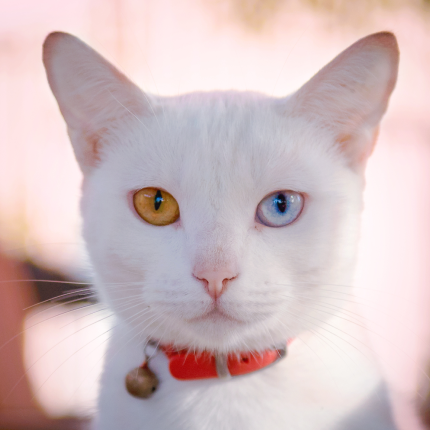
Cats are already beautiful and fascinating creatures, but people are bound to take notice when they have something as captivating as two different colored eyes. Odd-eyed cats always have one blue eye paired with either a green, yellow, or brown eye. This form of heterochromia occurs in other animals, including…
Why Do Cats Roll Over Into Their Backs But Not Let You Touch Their Bellies?
It’s common knowledge dogs love to have their tummies rubbed when they freely lay down before you and roll onto their backs. But, if you’re also familiar with cats, you know that when they roll onto their backs with their bellies exposed, rubbing the belly will most likely result in…