Is Running Water Better for Cats?
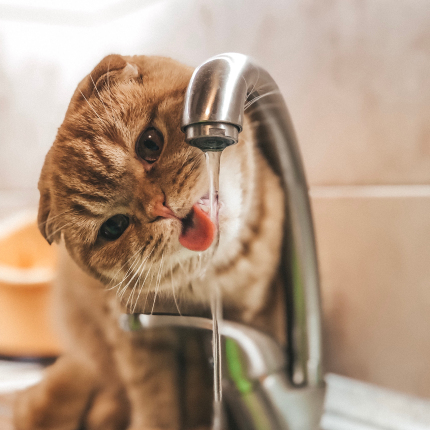
If you’ve ever caught your cat drinking from the bathroom faucet instead of their water bowl, you’re not alone. Many cat owners are surprised to find their feline patiently waiting by the sink, pawing at the faucet, or even hopping into the tub after someone has taken a shower. While it may seem like quirky behavior, there’s actually a good reason many cats prefer running water. So, is running water really better for cats? In many cases, yes. Although still water from a clean bowl is perfectly healthy, running water often encourages cats to drink more, which can have important health benefits.
advertisement
Why Are Cats Drawn to Running Water?
Your cat’s fascination with flowing water is rooted in instinct. In the wild, stagnant water is more likely to contain bacteria, parasites, or other contaminants. Flowing streams and rivers are generally safer sources of fresh water. Even though your indoor cat has never hunted in the wild, those ancient instincts remain. Running water is also easier for cats to notice. The movement catches their attention, making it more appealing than a motionless bowl sitting quietly in the corner.
Hydration Is Essential for Cats
Cats have a naturally low thirst drive compared to many other animals. Their wild ancestors obtained much of their hydration from the prey they consumed, which contained a high moisture content. Today’s house cats, especially those eating primarily dry kibble, may not always drink enough water on their own.
Proper hydration helps support:
- Healthy kidney function
- Urinary tract health
- Digestion
- Body temperature regulation
- Overall wellness
Anything that encourages your cat to drink more water can be beneficial.
Benefits of a Cat Water Fountain
Many pet owners choose to replace traditional water bowls with pet fountains because they continuously circulate and filter the water.
Some of the advantages include:
- Encourages More Drinking: Many cats simply find moving water more interesting. A fountain may encourage cats who normally ignore their water bowl to drink more frequently.
- Keeps Water Fresher: Circulating water is less likely to become stale than standing water. Many fountains also include filters that help remove hair, debris, and impurities.
- Provides Cooler Water: Because the water is constantly moving, it often stays cooler than water sitting in a bowl throughout the day.
- Appeals to Curious Cats: Some cats enjoy watching and interacting with moving water. A fountain can provide both hydration and enrichment.
Not Every Cat Prefers Running Water
While many cats love fountains, not all of them do. Some cats are perfectly happy drinking from a traditional bowl, especially if the water is kept clean and fresh. Others may even be intimidated by noisy fountains. Every cat has individual preferences, so it may take a little experimentation to discover what your cat enjoys most.
Choosing the Right Water Fountain
If you’re thinking about purchasing a fountain, consider the following features:
- Quiet motor
- Easy-to-clean design
- Replaceable filters
- Large water capacity
- Food-safe materials such as stainless steel or ceramic
Stainless steel and ceramic fountains are often recommended because they’re durable and less likely to harbor bacteria than some plastic models.
Keep the Fountain Clean
A fountain only benefits your cat if it’s properly maintained.
Be sure to:
- Replace filters as recommended by the manufacturer.
- Wash the fountain regularly.
- Refill with fresh water daily.
- Clean the pump to prevent buildup.
Dirty fountains can quickly become breeding grounds for bacteria and may discourage your cat from drinking.
Location Matters
Cats can be surprisingly picky about where they drink.
For best results, place your cat’s water source:
- Away from the litter box
- Separate from food dishes if your cat prefers it
- In a quiet, low-traffic area
- In multiple locations if you have a larger home or multiple cats
Some cats also appreciate having water available on different floors of the house.
Other Ways to Increase Your Cat’s Water Intake
A fountain isn’t the only way to help your cat stay hydrated.
You can also:
- Feed wet food as part of their diet.
- Offer multiple water bowls around the home.
- Refresh water daily.
- Experiment with different bowl shapes and materials.
- Keep water away from noisy appliances.
Some cats dislike having their sensitive whiskers touch the sides of deep bowls, so wide, shallow dishes may encourage them to drink more comfortably.
Watch for Signs of Dehydration
If your cat isn’t drinking enough, they may become dehydrated.
Signs that warrant a call to your veterinarian include:
- Lethargy
- Loss of appetite
- Dry or sticky gums
- Sunken eyes
- Reduced skin elasticity
- Urinating less frequently
Dehydration can become serious quickly, especially in kittens, senior cats, or cats with underlying health conditions.
advertisement
The Bottom Line
For many cats, running water is more appealing than still water because it taps into instincts that associate moving water with freshness and safety. A quality cat water fountain may encourage your feline to drink more, helping support healthy kidneys, a healthy urinary tract, and overall well-being. That said, every cat is different. Whether your companion prefers a bubbling fountain, a ceramic bowl, or the occasional drink from the bathroom sink, the most important thing is ensuring they always have access to clean, fresh water. A well-hydrated cat is a healthier, happier cat.
Search
Follow us!


Popular Posts
Featured Articles
Polydactyl Cats: Just More Beans to Love
Polydactyl cats have become extremely popular in recent times. As a result, more and more people are interested in learning more about this six-toed cat and want to get one of their own. If you are a cat lover intrigued by polydactyl cats, you have come to the right place….
Why Do Cats Roll Over Into Their Backs But Not Let You Touch Their Bellies?
It’s common knowledge dogs love to have their tummies rubbed when they freely lay down before you and roll onto their backs. But, if you’re also familiar with cats, you know that when they roll onto their backs with their bellies exposed, rubbing the belly will most likely result in…
Greebles and Cats: The Origin and the Meaning
You may have seen an internet sensation concerning cats labeled “greebles.” Feel out of the loop? We’re here to help you. In 2019, Reddit user /user/literallyatree commented on a Reddit post about a cat that looks like it’s trying to slap a ghost. This user commented: “My family calls things…