The Hidden Cost of Owning a Cat: What Every Future Cat Owner Should Know

Cats have a reputation for being low-maintenance pets. They don’t need daily walks, they use a litter box, and they’re often content entertaining themselves for hours at a time. While all of that is true, one common misconception is that cats are inexpensive to own. The reality is that welcoming a cat into your home is a long-term financial commitment. From food and litter to veterinary care and unexpected emergencies, the costs can add up over the years. That doesn’t mean owning a cat isn’t worth it (far from it), but it’s important to understand the expenses before bringing one home.
advertisement
Food Is More Than Just a Bag of Kibble
Every cat needs nutritious food, but not every cat can eat the same diet. Some develop food allergies, digestive issues, or chronic health conditions that require specialized or prescription diets.
Depending on your cat’s needs, monthly food expenses may include:
- Dry food
- Wet food
- Prescription diets
- Treats
- Nutritional supplements
While healthy cats may do well on a standard commercial diet, others may require significantly more expensive foods throughout their lives.
Litter Is an Ongoing Expense
Unlike many one-time purchases, cat litter is something you’ll buy over and over again.
Your monthly costs may include:
- Cat litter
- Litter box liners
- Odor-control products
- Litter mats
- Replacement litter boxes
If you have multiple cats, these costs can increase quickly.
Routine Veterinary Care Is Essential
Even healthy indoor cats should receive regular veterinary checkups. Preventive care helps detect health problems early and keeps your cat up to date on vaccinations and parasite prevention.
Routine veterinary expenses may include:
- Annual wellness exams
- Vaccinations
- Dental cleanings
- Blood work for senior cats
- Parasite prevention
- Microchipping
These routine visits are an important investment in your cat’s long-term health.
Unexpected Medical Bills Can Be Significant
One of the biggest financial surprises for many cat owners is emergency veterinary care. Cats are experts at hiding illness and pain, so by the time symptoms become obvious, treatment may be more involved.
Unexpected expenses can include:
- Emergency hospital visits
- Surgery
- Diagnostic imaging
- Prescription medications
- Hospitalization
- Specialist care
Emergency veterinary bills can range from a few hundred dollars to several thousand, depending on the condition.
Some Cats Need Lifelong Medical Care
Just like people, cats can develop chronic illnesses as they age.
Common long-term conditions include:
- Kidney disease
- Diabetes
- Hyperthyroidism
- Arthritis
- Food allergies
- Heart disease
Managing these conditions often involves prescription food, medications, regular blood tests, and more frequent veterinary visits.
advertisement
Toys, Furniture, and Enrichment Add Up
Cats may occasionally choose a cardboard box over the expensive toy you just bought, but they still need mental and physical stimulation.
Many owners purchase:
- Cat trees
- Scratching posts
- Interactive toys
- Puzzle feeders
- Window perches
- Beds and blankets
These items help prevent boredom and encourage healthy behaviors, especially for indoor cats.
Don’t Forget Grooming and Cleaning Supplies
While cats groom themselves, owners often purchase additional supplies to keep their homes and pets comfortable.
These might include:
- Brushes and combs
- Nail trimmers
- Pet-safe cleaning products
- Hair removal tools
- Water fountain filters
- Replacement scratching surfaces
Long-haired cats may also require professional grooming from time to time.
Pet Insurance May Help
Many cat owners choose to purchase pet insurance to help offset unexpected veterinary expenses.
Depending on the policy, pet insurance may help cover:
- Emergency care
- Surgeries
- Diagnostic testing
- Hospitalization
- Certain chronic conditions
While insurance adds another monthly expense, it can provide peace of mind if your cat experiences a serious illness or injury.
Older Cats Often Cost More
As cats enter their senior years, healthcare costs typically increase.
Older cats may need:
- More frequent checkups
- Routine blood work
- Prescription medications
- Joint supplements
- Dental care
- Special diets
Many owners find that their cat’s expenses rise gradually as they age, making it important to budget for future care.
They’re Worth Every Penny
Although caring for a cat can be more expensive than many people expect, most owners would tell you they wouldn’t trade the experience for anything. The companionship, comfort, laughter, and unconditional love cats provide often far outweigh the financial investment. They become members of the family, and like any family member, they deserve quality care throughout their lives.
advertisement
The Bottom Line
Cats may be lower maintenance than some other pets, but that doesn’t necessarily mean they’re inexpensive. Food, litter, preventive care, enrichment, and the possibility of unexpected medical expenses should all be part of your planning before bringing a cat home. By understanding the true cost of cat ownership and budgeting accordingly, you’ll be better prepared to provide your feline companion with a happy, healthy life for many years to come.
Search
Follow us!


Popular Posts

Featured Articles
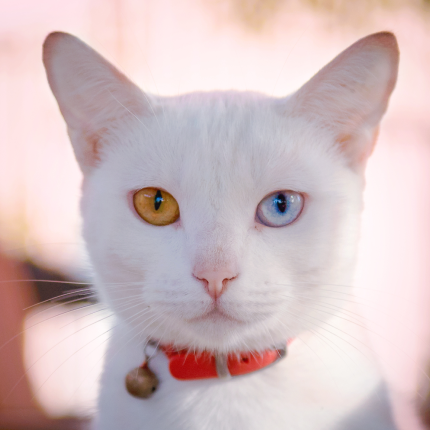
The Odd-Eyed Cat (AKA Heterochromia)
Cats are already beautiful and fascinating creatures, but people are bound to take notice when they have something as captivating as two different colored eyes. Odd-eyed cats always have one blue eye paired with either a green, yellow, or brown eye. This form of heterochromia occurs in other animals, including…

Greebles and Cats: The Origin and the Meaning
You may have seen an internet sensation concerning cats labeled “greebles.” Feel out of the loop? We’re here to help you. In 2019, Reddit user /user/literallyatree commented on a Reddit post about a cat that looks like it’s trying to slap a ghost. This user commented: “My family calls things…
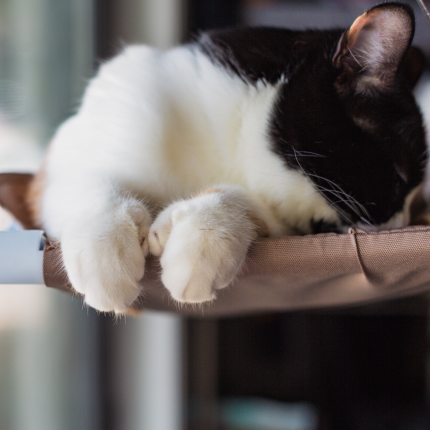
Polydactyl Cats: Just More Beans to Love
Polydactyl cats have become extremely popular in recent times. As a result, more and more people are interested in learning more about this six-toed cat and want to get one of their own. If you are a cat lover intrigued by polydactyl cats, you have come to the right place….