The Truth About the “Crazy Cat Lady” Stereotype
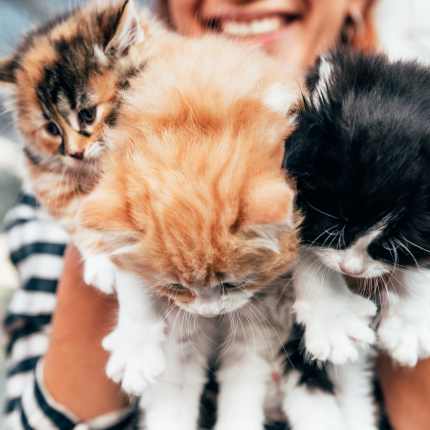
For decades, the phrase “crazy cat lady” has been used as a punchline. Popular culture often portrays cat-loving women as lonely, eccentric, unmarried, and surrounded by dozens of felines. It’s a stereotype that appears in television shows, movies, and casual conversation. But where did this idea come from, and is there any truth behind it? As it turns out, the stereotype says far more about society’s attitudes than it does about the people who love cats.
advertisement
The Long History of Cats and Women
The connection between cats and women stretches back thousands of years. In many ancient cultures, cats were revered and often associated with powerful female figures, fertility, protection, and wisdom. Ancient societies frequently viewed cats as symbols of independence, grace, and mystery. Female deities associated with cats were often celebrated for their strength and nurturing qualities. Over time, however, those perceptions changed. During the Middle Ages, fears surrounding witchcraft transformed the public image of both cats and independent women. Cats, particularly black cats, became associated with superstition, while women who lived outside traditional social expectations were often viewed with suspicion. The roots of the modern “crazy cat lady” stereotype can be traced back to these historical attitudes.
Why Cats and Independence Often Go Together
Cats are known for their independent nature. Unlike dogs, which are often eager to please and highly social, cats tend to form relationships on their own terms. Many cat lovers appreciate this quality. Cats don’t demand constant attention. They establish trust gradually and often choose when and how they want to interact. For many people, this creates a unique and rewarding bond. Because cats are often viewed as self-reliant, some researchers believe they naturally appeal to people who value independence and personal space. That doesn’t make someone antisocial—it simply reflects a different style of companionship.
The Myth of Loneliness
One of the most common assumptions about cat owners is that they are lonely or isolated. However, studies examining pet ownership have found little evidence to support this idea. In fact, many cat owners report strong emotional benefits from living with their pets. Cats can provide:
- Companionship
- Comfort during stressful times
- Daily routines and structure
- Stress relief
- Emotional support
For many people, cats become beloved family members who contribute positively to their overall well-being. Enjoying the company of a cat does not mean someone lacks meaningful human relationships. In many cases, it’s simply an additional source of connection and comfort.
What Science Says About Cat Owners
Research into pet ownership has produced some surprising findings. Studies have found that many cat owners report lower stress levels and may experience emotional benefits from interacting with their pets. The simple act of petting a cat can promote relaxation, while a cat’s purr may have calming effects on some people. Some research has even suggested that cat owners tend to score highly in traits such as self-reliance, curiosity, and openness to new experiences. While no two cat owners are exactly alike, science offers little support for the notion that loving cats is linked to instability or loneliness.
The Rise of Cat Lovers Everywhere
Today, cat enthusiasts come from every age group, profession, and lifestyle. Social media is filled with cat owners proudly sharing photos and stories about their pets. The old stereotype has also begun to evolve. Men, women, families, retirees, and young professionals all proudly identify as cat lovers. Cat rescue organizations, sanctuaries, and adoption groups have grown in popularity, attracting supporters from all walks of life. The image of the isolated cat owner is increasingly being replaced by a more accurate reality: people who simply enjoy the companionship of cats.
Why the Stereotype Persists
Despite changing attitudes, the “crazy cat lady” stereotype remains surprisingly persistent. Part of its staying power comes from the fact that stereotypes are often easier to repeat than to challenge. Humor, television, and movies have reinforced the idea for generations. But many experts believe the stereotype also reflects broader discomfort with people, particularly women, who choose paths that don’t fit traditional expectations. Someone independent, content with their own company, and devoted to animals can sometimes be misunderstood by those who view fulfillment through a different lens.
advertisement
The Bottom Line
The truth is that there is nothing unusual about loving cats. Cats have shared their lives with humans for thousands of years, offering companionship, entertainment, and affection in their own unique way. The people who care for them come from all backgrounds and personalities. Far from being a sign of loneliness or eccentricity, a love of cats often reflects empathy, compassion, and an appreciation for one of the world’s most fascinating animals. So the next time someone jokes about a “crazy cat lady,” remember that the stereotype is far older than the reality—and the reality is usually much more interesting.
Search
Follow us!


Popular Posts
Featured Articles
Greebles and Cats: The Origin and the Meaning
You may have seen an internet sensation concerning cats labeled “greebles.” Feel out of the loop? We’re here to help you. In 2019, Reddit user /user/literallyatree commented on a Reddit post about a cat that looks like it’s trying to slap a ghost. This user commented: “My family calls things…
Why Do Cats Roll Over Into Their Backs But Not Let You Touch Their Bellies?
It’s common knowledge dogs love to have their tummies rubbed when they freely lay down before you and roll onto their backs. But, if you’re also familiar with cats, you know that when they roll onto their backs with their bellies exposed, rubbing the belly will most likely result in…
Polydactyl Cats: Just More Beans to Love
Polydactyl cats have become extremely popular in recent times. As a result, more and more people are interested in learning more about this six-toed cat and want to get one of their own. If you are a cat lover intrigued by polydactyl cats, you have come to the right place….