How to Help a Teething Kitten (Without Losing Your Fingers)
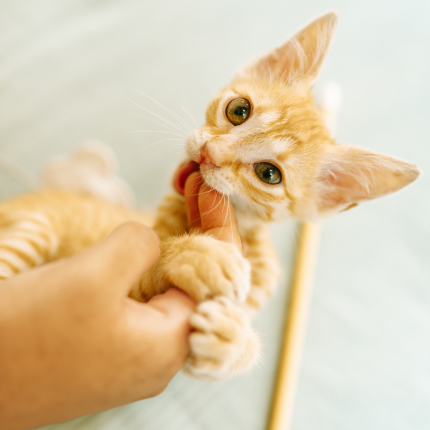
If you’ve recently brought home a kitten, you may have noticed a sudden behavior change: biting everything in sight. From toys to furniture to your hands and feet, teething kittens are determined to chew—and sometimes it can be painful for you.
Teething is a completely normal part of a kitten’s development, but it does require some guidance to help your kitten learn what is (and isn’t) okay to bite. With the right approach, you can protect your hands and help your kitten through this stage comfortably.
advertisement
Why Kittens Bite So Much During Teething
Just like human babies, kittens go through a teething phase as their adult teeth come in. This process can cause discomfort, which leads kittens to chew on objects to relieve the sensation.
During this time, kittens are also learning how to interact with the world. Biting and chewing are part of how they explore, play, and develop important social skills.
The challenge is teaching them that your hands and feet are not acceptable targets.
1. Provide Safe, Durable Chew Options
If your kitten is biting because they need something to chew, the best solution is to give them appropriate alternatives.
Look for:
- Firm cat toys designed for chewing
- Rubber or durable toys (cat-safe materials only)
- Cardboard scratchers or strips for chewing and tearing
Many kittens prefer toys that are slightly firmer rather than soft plush toys during teething. Having a variety of textures can help keep them interested.
2. Redirect Biting Immediately
When your kitten starts to bite your hands, feet, or clothing, avoid pulling away quickly. Fast movements can trigger their hunting instincts and make them bite harder.
Instead:
- Pause your movement
- Gently move your hand away
- Offer a toy immediately as a replacement
Consistency is key. Over time, your kitten will learn that toys—not people—are the right things to bite.
3. Avoid Using Your Hands as Toys
It may seem harmless to let a kitten playfully bite your fingers, but this can quickly turn into a habit. If your kitten learns that hands are toys, they’ll continue to treat them that way as they grow stronger.
Use toys that create distance between you and your kitten, such as:
- Wand toys
- String toys (with supervision)
- Small balls or toy mice
This helps teach appropriate play behavior early on.
4. Use Gentle Feedback, Not Punishment
Kittens learn best through consistent, clear responses—not punishment. If your kitten bites too hard, give a firm “No” or make a short sound to indicate that it hurts.
You can also stop playing immediately. This helps your kitten understand that biting too hard ends the fun.
Some kittens respond to exaggerated reactions, like a quick “ouch” sound, which mimics how littermates would react during play.
5. Provide Plenty of Play and Mental Stimulation
Kittens have a lot of energy, and if they don’t have an outlet, that energy often turns into rough play. Daily interactive play sessions can reduce unwanted biting.
Try to mimic natural hunting behavior:
- Chase (using a toy)
- Pounce and catch
- Reward with a treat or meal
- Rest
This routine helps satisfy your kitten’s instincts and reduces the urge to bite you out of boredom.
6. Offer Comfort During Teething
Teething can be uncomfortable, so providing comfort can make a big difference. Some kittens enjoy:
- Soft toys they can cuddle and chew
- Warm, cozy sleeping spots
- Familiar scents for reassurance
Having comforting items nearby can help positively redirect biting behavior.
7. Be Patient, This Phase Doesn’t Last Forever
Teething is temporary. As your kitten matures and their adult teeth fully come in, the urge to chew and bite will naturally decrease.
With consistent training and redirection, most kittens grow out of rough biting and develop gentler play habits.
advertisement
The Goal: Teaching Gentle Play
Teething kittens aren’t trying to hurt you—they’re learning how to interact with their world. By giving them appropriate outlets, setting clear boundaries, and staying consistent, you can guide them toward safe, gentle behavior.
And in the meantime, keeping a toy nearby at all times might just save your fingers.
Search
Follow us!


Popular Posts

Featured Articles

Why Do Cats Roll Over Into Their Backs But Not Let You Touch Their Bellies?
It’s common knowledge dogs love to have their tummies rubbed when they freely lay down before you and roll onto their backs. But, if you’re also familiar with cats, you know that when they roll onto their backs with their bellies exposed, rubbing the belly will most likely result in…

Polydactyl Cats: Just More Beans to Love
Polydactyl cats have become extremely popular in recent times. As a result, more and more people are interested in learning more about this six-toed cat and want to get one of their own. If you are a cat lover intrigued by polydactyl cats, you have come to the right place….

Greebles and Cats: The Origin and the Meaning
You may have seen an internet sensation concerning cats labeled “greebles.” Feel out of the loop? We’re here to help you. In 2019, Reddit user /user/literallyatree commented on a Reddit post about a cat that looks like it’s trying to slap a ghost. This user commented: “My family calls things…