Research Shows That ‘Cat Music’ Can Calm Feline Nerves
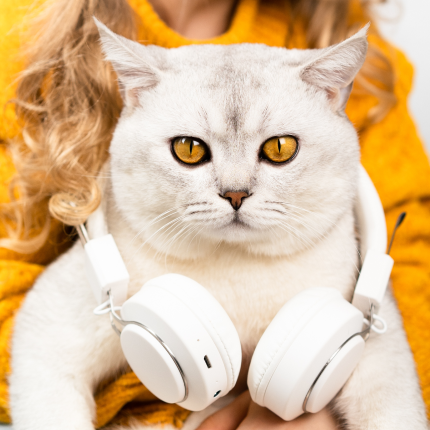
Most cat owners know the chaos that erupts the moment a carrier appears. Cats seem to develop supernatural agility when a vet visit is imminent, vanishing under beds, hissing at carriers, and protesting loudly during the car ride. But research suggests there may be a surprisingly simple way to make vet trips far less stressful: music designed specifically for cats.
advertisement
The Science Behind Cat-Friendly Tunes
Music therapy is already widely recognized for its calming and restorative effects in humans. Previous studies have shown that cats tend to relax when listening to classical music and become significantly more stressed when exposed to heavy metal. Even under anesthesia, cats show physiological responses to sound.
Building on this, researchers investigated whether music composed specifically for cats would have an even stronger calming effect. And yes, “cat music” is a real genre with a scientific foundation.
Human music typically matches our natural rhythm, such as our resting heart rate or vocal frequencies. Cat music is built on feline patterns instead, incorporating:
- Purring-like vibrations
- Suckling sounds
- Higher-pitched frequencies (about two octaves above human vocal range)
These elements mimic natural feline communication and comfort signals.
Putting Cat Music to the Test
Twenty pet cats participated in the study. Each cat experienced three different conditions, on separate vet visits spaced two weeks apart:
- 20 minutes of cat-specific music
- 20 minutes of classical (human) music
- 20 minutes of silence
Researchers evaluated the cats’ stress through video observations, body language, interactions with handlers, and blood samples that measured physiological stress markers.
What the Researchers Found
Cats exposed to cat-specific music were noticeably calmer during their vet appointments than those who listened to classical music or silence. Their body language was more relaxed, and they responded more favorably to handling.
Interestingly, the bloodwork didn’t show measurable differences between groups. Researchers believe this was likely due to the short duration of exposure; 20 minutes may not have been enough time for physiological changes to appear in blood markers.
advertisement
Why Cat Music Matters
Calmer cats benefit everyone involved:
- Cats experience less fear and anxiety
- Owners have a much easier time transporting and handling their pets
- Veterinarians can perform exams more safely and thoroughly
With so many cats experiencing stress-related issues during vet visits, cat-specific music may become a valuable tool for improving feline welfare.
The study appears in the Journal of Feline Medicine and Surgery. Many examples of scientifically designed cat music are now available online, making it easy for owners to test it out before the next vet appointment.
Search
Follow us!


Popular Posts
Featured Articles
Greebles and Cats: The Origin and the Meaning
You may have seen an internet sensation concerning cats labeled “greebles.” Feel out of the loop? We’re here to help you. In 2019, Reddit user /user/literallyatree commented on a Reddit post about a cat that looks like it’s trying to slap a ghost. This user commented: “My family calls things…
Polydactyl Cats: Just More Beans to Love
Polydactyl cats have become extremely popular in recent times. As a result, more and more people are interested in learning more about this six-toed cat and want to get one of their own. If you are a cat lover intrigued by polydactyl cats, you have come to the right place….
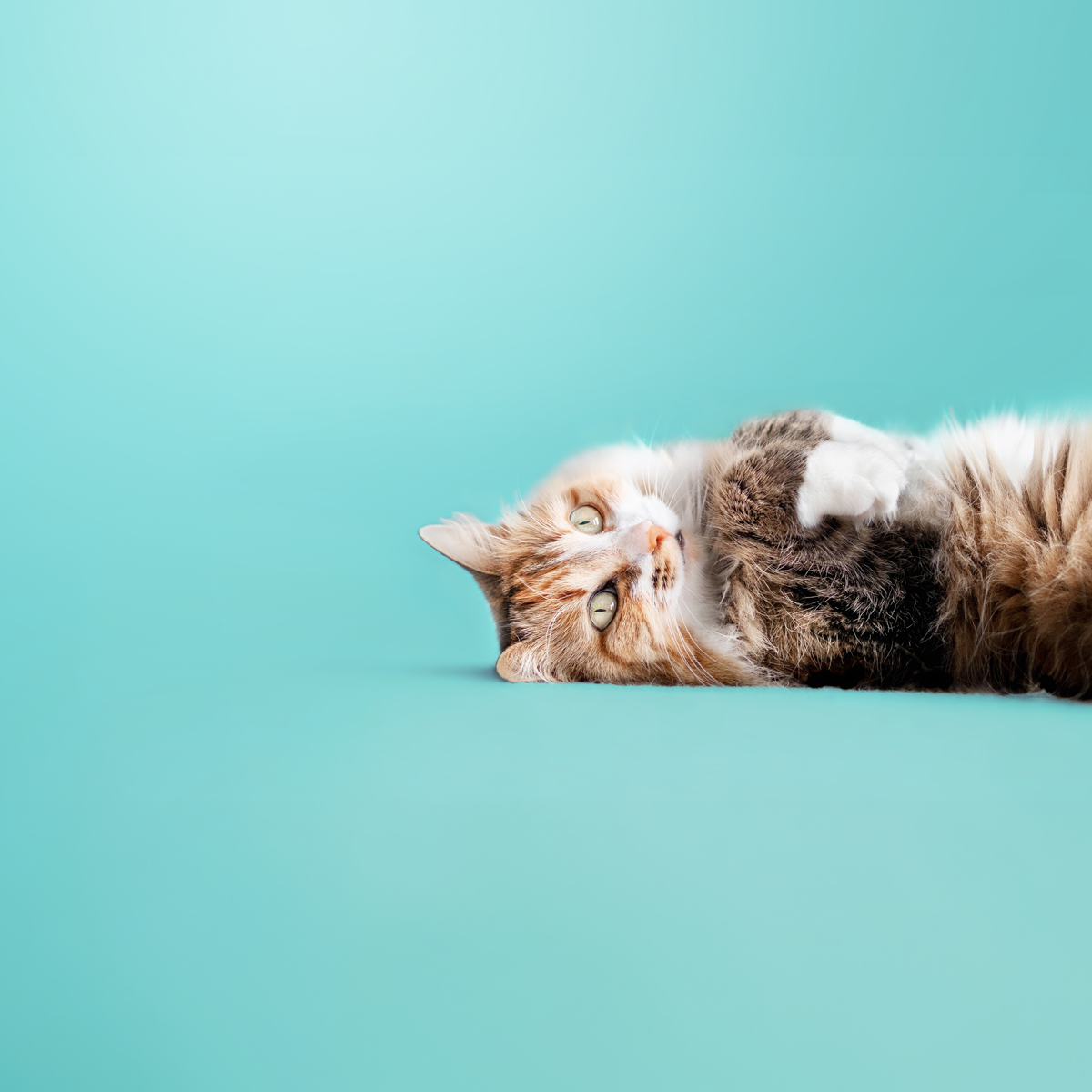
Why Do Cats Roll Over Into Their Backs But Not Let You Touch Their Bellies?
It’s common knowledge dogs love to have their tummies rubbed when they freely lay down before you and roll onto their backs. But, if you’re also familiar with cats, you know that when they roll onto their backs with their bellies exposed, rubbing the belly will most likely result in…