Tips on Driving Cross-Country with a Cat
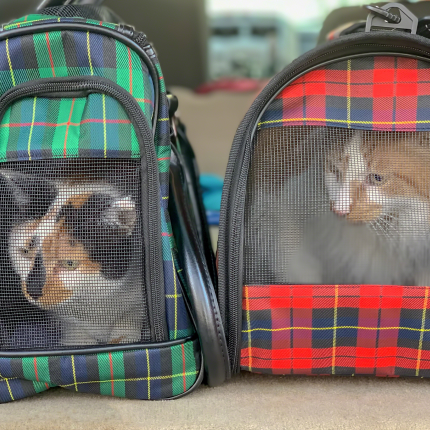
Moving across the country or taking an extended road trip can be exciting, but if you’re bringing your cat along for the journey, it can also be a little stressful. Cats are creatures of habit, and many don’t enjoy sudden changes in environment, unfamiliar sounds, or long hours in the car. Fortunately, with a little planning and preparation, you can help make the trip safer and more comfortable for both you and your feline travel companion. Here are some helpful tips for driving cross-country with a cat.
advertisement
1. Get Your Cat Comfortable with the Carrier Before the Trip
One of the biggest mistakes pet owners make is bringing out the carrier only on travel day. Many cats associate carriers with stressful experiences like vet visits, which can make them anxious before the trip even begins. Several weeks before your journey:
- Leave the carrier out in your home
- Place treats, toys, or blankets inside
- Allow your cat to explore it voluntarily
- Take short practice drives
The more familiar your cat becomes with the carrier, the less stressful the travel experience may be.
2. Never Let Your Cat Roam Freely in the Car
It can be tempting to let your cat sit in your lap or wander around the vehicle, but this is dangerous for both you and your pet. A loose cat can:
- Distract the driver
- Interfere with pedals or steering
- Become injured during sudden stops
- Escape when doors or windows are opened
A secure, well-ventilated carrier is the safest place for your cat throughout the trip.
3. Make the Carrier Comfortable
Your cat’s carrier will be their home away from home during the journey. Consider adding:
- A favorite blanket
- A familiar-smelling shirt or towel
- A soft bed or cushion
- A small toy
Familiar scents can help reduce anxiety and provide comfort in an unfamiliar environment.
4. Visit the Veterinarian Before You Leave
If you’re planning a long-distance move or road trip, schedule a veterinary checkup beforehand. Your veterinarian can:
- Confirm your cat is healthy enough for travel
- Update vaccinations if necessary
- Provide copies of medical records
- Discuss medications for motion sickness or anxiety if needed
If your cat has never traveled long distances before, your veterinarian may have additional recommendations.
5. Plan for Food, Water, and Litter Breaks
Cats generally don’t need frequent stops like dogs do, but they still need opportunities to eat, drink, and use the litter box. Consider packing:
- A portable litter box
- Extra litter
- Food and treats
- Fresh water
- Food and water bowls
Some cats may refuse food during travel, which is often normal. Offer food and water during rest stops and monitor your cat’s overall comfort.
advertisement
6. Keep Identification Up to Date
Travel increases the risk of a cat becoming lost, so proper identification is essential. Before leaving:
- Ensure your cat’s microchip information is current
- Use a secure collar with identification tags
- Include your cell phone number on the tag
If your cat somehow escapes during the trip, updated identification dramatically improves the chances of a safe reunion.
7. Keep the Temperature Comfortable
Cats can be sensitive to extreme temperatures. During travel:
- Keep the vehicle climate-controlled
- Avoid placing the carrier in direct sunlight
- Never leave your cat unattended in a parked car
Even mild outdoor temperatures can quickly become dangerous inside a vehicle.
8. Book Pet-Friendly Accommodations
If your trip requires overnight stays, research pet-friendly hotels ahead of time. Before booking, verify:
- Pet policies
- Additional fees
- Room restrictions
- Nearby veterinary clinics
When arriving at your hotel, carefully inspect the room for potential escape routes before letting your cat out of the carrier.
9. Expect Some Stress
Even with careful preparation, many cats will experience some anxiety during a long trip. Common travel behaviors include:
- Meowing
- Hiding in the carrier
- Refusing food
- Restlessness
- Sleeping more than usual
Most cats settle down as they adjust to the rhythm of travel. Remaining calm yourself can also help reassure your pet.
10. Help Your Cat Settle Into Their New Home
Once you arrive at your destination, your cat may need time to adjust. Start by setting up a single quiet room with:
- Food and water
- Litter box
- Bed and blankets
- Familiar toys
Allow your cat to explore gradually at their own pace. Some cats adapt within hours, while others may need several days or even weeks.
advertisement
The Journey Is Temporary
Cross-country travel with a cat may seem daunting, but thousands of cats successfully make long road trips every year. Preparation, patience, and attention to your cat’s needs can make a huge difference. While your cat may not appreciate the adventure quite as much as you do, a safe and comfortable journey can help ensure they arrive at their new destination happy, healthy, and ready to settle into their next chapter.
Search
Follow us!


Popular Posts

Featured Articles

Greebles and Cats: The Origin and the Meaning
You may have seen an internet sensation concerning cats labeled “greebles.” Feel out of the loop? We’re here to help you. In 2019, Reddit user /user/literallyatree commented on a Reddit post about a cat that looks like it’s trying to slap a ghost. This user commented: “My family calls things…

Why Do Cats Roll Over Into Their Backs But Not Let You Touch Their Bellies?
It’s common knowledge dogs love to have their tummies rubbed when they freely lay down before you and roll onto their backs. But, if you’re also familiar with cats, you know that when they roll onto their backs with their bellies exposed, rubbing the belly will most likely result in…

Polydactyl Cats: Just More Beans to Love
Polydactyl cats have become extremely popular in recent times. As a result, more and more people are interested in learning more about this six-toed cat and want to get one of their own. If you are a cat lover intrigued by polydactyl cats, you have come to the right place….